Google’s New Carousel: Revolutionizing Dealership SEO
“`html
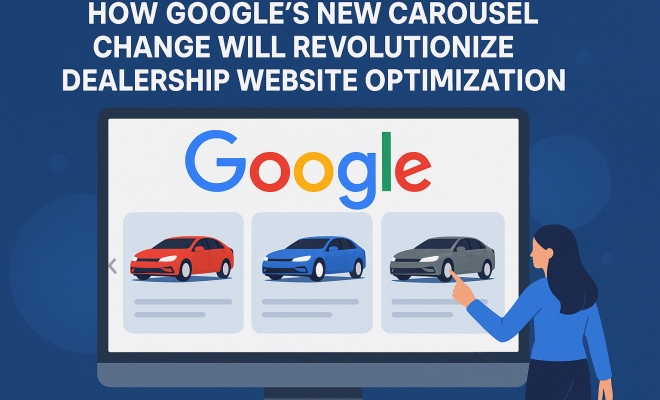
In a surprising turn of events, Google has redefined the digital landscape for dealerships by altering the way their websites are optimized for search. This shift, which allows Google to surface a carousel of timely content related to topics users are actively following, marks a major change in how dealership website optimization must occur. As we delve into the implications of this new feature, it’s crucial to understand how the dynamics of Google Search are evolving, the opportunities and challenges it presents, and how dealerships can adapt to thrive in this new environment.
The New Reality of Google Search
Google has long been the cornerstone of online search, shaping how users find information, services, and products. With the introduction of a carousel that highlights timely and socially engaged content, particularly for high-intent search terms, Google is signaling a shift towards more dynamic and real-time search results. This evolution not only impacts traditional SEO strategies but also revolutionizes dealership website optimization.
Historically, evergreen content—articles and pages designed to remain relevant for extended periods—has dominated search results, allowing businesses to build authority over time. However, with Google prioritizing real-time content, there’s a significant change in the competitive landscape for visibility. Dealerships must now rethink their content strategies to ensure they remain relevant in an increasingly fluid search environment.
The Power of Timely Content
Timely content refers to articles, blogs, and posts that align with current events, trends, or discussions happening in real-time. With Google’s new feature, timely content can now surpass evergreen pages in search rankings, allowing businesses that leverage social and timely topics to gain visibility.
This shift is particularly relevant for dealerships that thrive on high-intent search traffic. For instance, if a new vehicle model is released or an automotive event is happening, creating timely content can attract users who are actively seeking information. By producing timely, relevant content, dealerships can optimize their websites to align with Google’s new focus, ensuring their pages appear in the coveted search result carousel.
Implications for Dealership Website Optimization
With this transition, dealership website optimization becomes more complex yet more exciting. Here are several implications this change brings:
- Increased Importance of Social Engagement: Dealerships will need to engage with social media platforms to monitor trends and discussions relevant to their market. This engagement can provide insights into which topics are trending, enabling dealerships to create timely content that resonates with potential customers.
- Content Strategy Shift: The emphasis on timely content requires a strategic pivot from solely relying on evergreen content. Dealerships must balance long-standing articles with fresh, engaging content that can capture attention during peak interest periods.
- Real-Time SEO Practices: Traditional SEO practices focused on keywords and evergreen strategies will need to incorporate real-time analytics. This involves tracking trending topics and quickly responding with optimized content to capture search interest.
Creating Timely Content
Creating timely content isn’t just about speed; it’s about relevance and quality. Here are some strategies dealerships can employ to ensure their content stands out:
- Monitor Trends: Use tools like Google Trends, social media analytics, and industry news outlets to stay informed about relevant topics within the automotive industry. This knowledge will enable dealerships to produce content that aligns with what users are searching for.
- Engage with Your Audience: Utilize social media to ask questions, gather opinions, and encourage discussions. Engagement can provide insights into user interests, helping dealerships tailor their content accordingly.
- Leverage Local Events: Local automotive events or community happenings can be excellent opportunities to create timely content. Dealerships can cover these events, provide insights, or offer promotions related to them.
The Role of Social Media in Content Distribution
With Google’s algorithm becoming increasingly centered around social engagement, social media plays a critical role in dealership website optimization. By utilizing platforms like Facebook, Twitter, and Instagram, dealerships can not only share their content but also engage directly with their audience. (See: Search engine optimization overview.)
Sharing timely content on social media creates immediate visibility, driving traffic to dealership sites and increasing the likelihood of appearing in Google’s carousel. Additionally, social media platforms enable dealerships to monitor engagement metrics, helping them gauge what type of content resonates most with their audience.
Quantifying the Impact of Google’s Changes
Understanding the potential impact of Google’s carousel on dealership website optimization can be quantified through metrics such as:
- Traffic Increases: By leveraging timely content, dealerships can see a significant uptick in web traffic during peak interest periods.
- Engagement Rates: Increased social engagement can lead to improved interaction rates on dealership websites, resulting in higher conversion rates.
- Search Ranking Metrics: Tracking changes in search rankings post-implementation of timely content strategies will provide insights into effectiveness compared to traditional content approaches.
Challenges and Risks
While the shift towards timely content presents numerous opportunities, it also comes with challenges and risks:
- Content Saturation: As more dealerships adapt to this change, the competition for visibility in Google’s carousel will become fierce. Dealerships must find unique angles and insights to stand out.
- Quality Control: The pressure to produce timely content must not compromise quality. Subpar content can damage a dealership’s reputation and online authority.
- Resource Allocation: Transitioning to a more real-time content strategy may require additional resources or personnel to manage content creation and engagement.
Adapting to the New Norms
To successfully navigate the new norms set by Google, dealerships must adopt a proactive approach:
- Invest in Training: Educating staff about the importance of timely content and social media engagement can enhance a dealership’s overall marketing strategy.
- Utilize Technology: Employing tools that assist in tracking trends and analyzing performance can streamline the process of creating timely content.
- Foster a Culture of Agility: Dealerships should cultivate an agile mindset within their teams, enabling them to adapt quickly to changing trends and consumer preferences.
Conclusion: Embracing Change for Future Success
The recent changes in Google’s search algorithms signify a monumental shift for dealership website optimization. By prioritizing timely content and social engagement, dealerships have the opportunity to not only maintain their visibility in search results but also enhance their relationships with customers.
As Google continues to evolve its search capabilities, staying ahead of the curve will be essential for dealerships looking to thrive in this new landscape. By embracing these changes and adapting their strategies accordingly, dealerships can position themselves for future success in an increasingly competitive online environment.
Further Strategies for Effective Dealership Website Optimization
In addition to prioritizing timely content, dealerships can adopt several other strategies to further enhance their website optimization efforts. These strategies can help dealerships stay competitive, attract more customers, and ultimately drive sales.
1. Optimize for Mobile Devices
With a significant portion of traffic coming from mobile devices, it’s imperative for dealerships to ensure their websites are fully optimized for mobile users. This includes having a responsive design that adjusts to different screen sizes, fast loading times, and easy navigation. According to Statista, over 54% of all website traffic comes from mobile devices, making this optimization crucial for dealership success.
- Responsive Design: Utilize responsive web design techniques to ensure that all pages look great on any device. This not only improves user experience but is also favored by Google in search rankings.
- Fast Loading Times: Mobile users tend to abandon pages that take longer than three seconds to load. Tools like Google PageSpeed Insights can help dealerships identify areas for improvement.
- Easy Navigation: Create a mobile-friendly menu that allows users to easily find the information they need without excessive scrolling or tapping.
2. Invest in Local SEO
Local SEO is critical for dealerships to capture nearby customers searching for automotive services or vehicles. By optimizing for local search, dealerships can increase their visibility among potential customers in their area. (See: CDC Youth Risk Behavior Survey.)
- Google My Business: Claim and optimize your Google My Business listing. Ensure that all information is accurate and up to date, including your address, phone number, and hours of operation.
- Local Citations: Ensure your dealership is listed in local directories and automotive-related websites. Consistent NAP (Name, Address, Phone) information across platforms is essential for local SEO.
- Customer Reviews: Encourage satisfied customers to leave positive reviews on Google and other review platforms. Reviews can significantly influence customers’ decisions and improve local search rankings.
3. Utilize Video Content
Video content continues to rise in popularity and can be an effective method for engaging users and enhancing dealership website optimization. Videos can showcase new car models, provide tutorials, or share customer testimonials, making them a dynamic addition to any dealership’s content strategy.
- Product Walkarounds: Create videos that provide detailed overviews of new vehicles, highlighting features and benefits that may attract potential buyers.
- Customer Testimonials: Share videos of happy customers discussing their experiences with your dealership. This type of content can build trust and encourage new customers to visit your dealership.
- Informative Guides: Produce educational videos on topics such as vehicle maintenance tips, financing options, and the buying process. This not only positions your dealership as an authority but also provides value to potential customers.
4. Implement Advanced Analytics
To continuously improve dealership website optimization, it is essential to utilize advanced analytics tools. Understanding user behavior through data can lead to informed decisions regarding content and strategies.
- Google Analytics: Set up Google Analytics to track website traffic, user engagement, and conversion rates. This data can help identify which content is performing well and which areas need improvement.
- User Behavior Tracking: Utilize tools like Hotjar or Crazy Egg to visualize user behavior on your website. Heatmaps and session recordings can reveal how users interact with your site, allowing you to optimize it further.
- A/B Testing: Conduct A/B tests on key pages to determine which elements (like CTA buttons, headlines, or images) lead to higher conversions. This iterative process can significantly improve user experience and engagement.
FAQs about Dealership Website Optimization
Q1: What is dealership website optimization?
A1: Dealership website optimization involves improving a dealership’s online presence to attract more visitors through search engines. This includes optimizing for search engines (SEO), enhancing user experience, creating relevant content, and engaging with customers on social media.
Q2: Why is timely content important for dealerships?
A2: Timely content is important because it aligns with current trends and events, allowing dealerships to capture high-intent traffic. By producing relevant content, dealerships can stay competitive in search rankings and engage actively with their audience.
Q3: How can social media impact dealership website optimization?
A3: Social media can significantly enhance dealership website optimization by increasing content visibility, driving traffic to the dealership’s website, and facilitating direct engagement with potential customers. It also helps in building a brand community.
Q4: What tools can help monitor online trends?
A4: Various tools such as Google Trends, BuzzSumo, and social media analytics platforms can help dealerships monitor online trends. These tools provide insights into what topics are currently trending and what content resonates with audiences.
Q5: What are the common pitfalls to avoid in website optimization?
A5: Common pitfalls include focusing solely on keywords without providing valuable content, neglecting mobile optimization, failing to engage with customers on social media, and not tracking performance metrics to refine strategies.
Q6: How frequently should dealerships update their content?
A6: Dealerships should aim to update their content regularly, especially during events like new vehicle releases or industry news. Frequent updates can help maintain relevance and improve search rankings in Google’s changing landscape. (See: New changes in Google Search.)
Q7: Can dealership website optimization impact sales?
A7: Yes, effective dealership website optimization can significantly impact sales by increasing visibility in search results, attracting more qualified leads, and improving the overall user experience on the dealership’s website, leading to higher conversion rates.
Measuring the Success of Optimization Efforts
To ensure that dealership website optimization strategies are effective, it is vital to measure their success through specific metrics and KPIs (Key Performance Indicators). These metrics will provide insights into what is working and what areas require adjustment.
- Organic Search Traffic: Monitor the volume of traffic coming from search engines to gauge the effectiveness of your SEO efforts. Tools like Google Analytics can provide detailed reports on organic traffic trends over time.
- Conversion Rates: Analyze the percentage of visitors who complete desired actions on your website, such as filling out a contact form, signing up for newsletters, or making a purchase. A high conversion rate indicates that your content and layout are effective in engaging users.
- Click-Through Rates (CTR): Measure the CTR of your search results to understand how compelling your titles and meta descriptions are. A higher CTR suggests that your content is appealing and relevant to users.
- Engagement Metrics: Track metrics such as time on page, bounce rate, and page views per session to evaluate how users interact with your website. Increased engagement often correlates with high-quality content and an optimized user experience.
Future Trends in Dealership Website Optimization
As technology and consumer behaviors continue to evolve, dealerships need to stay ahead of the curve by anticipating future trends in website optimization. Here are some trends to watch:
- Voice Search Optimization: With the rise of voice-activated devices, optimizing for voice search will become increasingly important. Dealerships should consider how users phrase questions verbally and tailor their content to provide concise, direct answers.
- Artificial Intelligence and Chatbots: Implementing AI-driven chatbots on dealership websites can enhance customer service and engagement. These tools can provide instant responses to inquiries, improve user experience, and assist in lead generation.
- Personalization: Creating personalized experiences based on user behavior and preferences will become more prevalent. Utilizing data to tailor content and recommendations can improve user engagement and increase conversion rates.
- Visual and Interactive Content: Engaging users through interactive content, such as quizzes, polls, or virtual reality experiences, can create a more immersive experience and help dealerships stand out in a crowded market.
Conclusion: A Roadmap to Success
As the digital landscape continues to evolve, dealerships must be proactive in their approach to website optimization. By embracing timely content, optimizing for mobile devices, investing in local SEO, utilizing video content, leveraging advanced analytics, and measuring success through relevant metrics, dealerships can not only adapt to Google’s changes but thrive in the competitive automotive market.
Ultimately, dealership website optimization is a multifaceted strategy that requires ongoing effort, innovation, and engagement. By staying ahead of trends and focusing on customer relationships, dealerships can secure their position as leaders in the digital space.
“`
Trending Now
Frequently Asked Questions
How has Google's new carousel feature changed dealership website optimization?
Google's new carousel feature emphasizes timely content over traditional evergreen content, allowing dealerships to optimize their websites for real-time search results. This shift requires dealerships to adapt their content strategies to focus on current events and trends, ensuring they remain visible in search rankings.
What is timely content and why is it important for dealerships?
Timely content consists of articles and posts that connect with current events or trends. For dealerships, creating timely content is crucial because it can rank higher in search results, attracting high-intent traffic and enhancing visibility compared to evergreen content.
How can dealerships adapt their SEO strategies to the new Google carousel?
To adapt to the new Google carousel, dealerships should focus on producing timely and relevant content that aligns with current trends and discussions. This includes leveraging social media insights and staying updated on industry news to remain competitive in search rankings.
What challenges do dealerships face with the introduction of the carousel feature?
With the introduction of the carousel feature, dealerships face challenges such as the need to continuously produce timely content and compete against more dynamic websites. This shift requires a reevaluation of traditional SEO strategies to maintain visibility in a rapidly changing digital landscape.
Why is real-time content prioritized by Google now?
Google prioritizes real-time content to provide users with the most relevant and up-to-date information. This evolution reflects a shift in user behavior towards seeking timely updates and engaging discussions, making it essential for businesses, especially dealerships, to adapt their content strategies accordingly.
Agree or disagree? Drop a comment and tell us what you think.