8 Steps to a Heart-Healthy Diet: Prevent Heart Disease
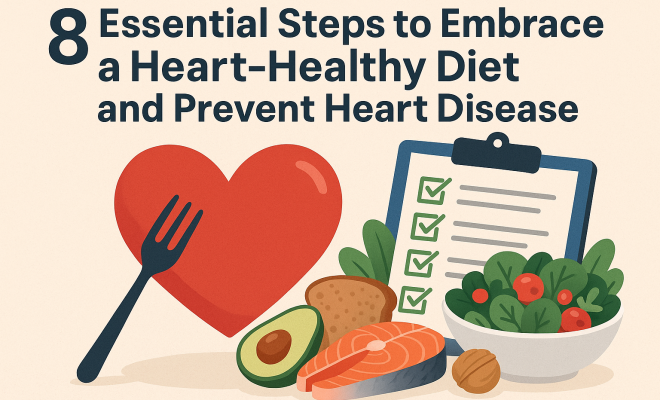
“`html
In an era where heart disease remains a leading health concern, embracing a heart-healthy diet is not just beneficial but essential. As highlighted by the Mayo Clinic, certain dietary choices significantly impact heart health and can either elevate or diminish the risk of cardiovascular diseases. With heart disease responsible for over 697,000 deaths in the United States annually, making informed dietary decisions is crucial. This article will delve into practical steps to adopt a heart-healthy diet that can help prevent heart disease, offering insights, expert perspectives, and actionable advice.
Understanding Heart Disease and Diet
Heart disease encompasses a range of conditions affecting the heart, including coronary artery disease, arrhythmias, and heart defects among others. The foundation of maintaining a healthy heart largely rests on dietary habits. Research has shown strong correlations between diet and the risk factors associated with heart disease such as high cholesterol, high blood pressure, and obesity. The foods we consume can influence these risk factors, making it imperative to adopt a heart-healthy diet.
Dietary patterns rich in fruits, vegetables, whole grains, and healthy fats can lower the risk of heart disease significantly. Conversely, diets high in saturated fats, trans fats, and sodium can increase the risk. Understanding these dietary choices helps individuals make better-informed decisions about their nutrition, ultimately fostering a healthier lifestyle.
Step 1: Increase Fruits and Vegetables
One of the most effective steps individuals can take toward a heart-healthy diet is to increase their intake of fruits and vegetables. The Mayo Clinic suggests aiming for at least five servings of fruits and vegetables daily. These foods are rich in essential nutrients, antioxidants, and dietary fiber, all of which play a crucial role in heart health.
Fruits and vegetables help lower blood pressure, reduce inflammation, and improve overall heart health. They are also lower in calories, making them an ideal choice for those looking to maintain or lose weight. Incorporating a variety of colors and types ensures a broader spectrum of nutrients. For example:
- Leafy greens like spinach and kale are high in vitamins A, C, and K.
- Berries contain antioxidants that can help reduce oxidative stress.
- Citrus fruits such as oranges and grapefruits are excellent sources of vitamin C and flavonoids.
- Cruciferous vegetables like broccoli and Brussels sprouts offer fiber and other beneficial compounds.
Step 2: Focus on Whole Grains
Whole grains are an essential component of a heart-healthy diet as they provide necessary nutrients that contribute to cardiovascular health. Unlike refined grains, whole grains retain their bran and germ, making them richer in fiber, vitamins, and minerals. Foods such as brown rice, quinoa, oats, and whole-wheat products should be prioritized over their refined counterparts.
The fiber in whole grains helps reduce cholesterol levels and improves blood sugar control. Additionally, they provide lasting energy and can help manage weight, further contributing to heart health. A goal of consuming at least three servings of whole grains each day is advised, which can lead to significant improvements in heart health and overall well-being.
Step 3: Choose Healthy Fats
Not all fats are created equal, and understanding the difference is vital for maintaining a heart-healthy diet. The ideal fats include unsaturated fats, which can benefit heart health when consumed in moderation, while saturated and trans fats should be minimized. Unsaturated fats can be found in foods such as:
- Olive oil and other plant-based oils
- Avocados
- Nuts and seeds
- Fatty fish like salmon, mackerel, and sardines
Saturated fats, commonly found in red meat, butter, and full-fat dairy products, should be limited to less than 10% of daily caloric intake. Trans fats, often present in processed and fried foods, should be avoided entirely, as they can raise bad cholesterol levels and lower good cholesterol levels, increasing the risk of heart disease.
Step 4: Monitor Portion Sizes
Portion control plays a crucial role in maintaining a heart-healthy diet. Overeating, even healthy foods, can lead to weight gain and increase the risk of heart disease. Learning to manage portion sizes can be achieved through several strategies, such as:
- Using smaller plates to help control serving sizes.
- Measuring servings when trying new recipes.
- Being mindful of hunger cues and eating slowly to avoid overeating.
- Pre-portioning snacks instead of eating from large packages.
By controlling portions, individuals can better manage their calorie intake and maintain a healthy weight, thus reducing strain on the heart.
Step 5: Limit Sodium Intake
Sodium is often found in high concentrations in processed and fast foods, and excessive consumption can lead to elevated blood pressure, a major risk factor for heart disease. The American Heart Association recommends limiting sodium intake to less than 2,300 mg per day, with an ideal goal of no more than 1,500 mg for most adults. (See: CDC Heart Disease Overview.)
To achieve this, individuals should focus on:
- Reading nutrition labels to identify sodium content in packaged foods.
- Choosing fresh or frozen vegetables over canned versions.
- Using herbs and spices for flavor instead of salt.
- Cooking at home more often to control sodium levels in meals.
Adopting these practices can significantly reduce overall sodium intake, which is a crucial step toward achieving a heart-healthy diet.
Step 6: Reduce Sugary Foods and Beverages
Consuming high amounts of added sugars can lead to weight gain, increased triglycerides, and a higher risk of heart disease. Foods and drinks laden with sugar, such as sodas, candies, and baked goods, provide little nutritional value and can be detrimental to heart health.
To promote a heart-healthy diet, consider the following tips:
- Opting for water or unsweetened beverages instead of sugary drinks.
- Choosing fresh fruit over fruit juices or sugary snacks.
- Reading ingredient lists to avoid hidden sugars in processed foods.
- Experimenting with natural sweeteners like honey or maple syrup in moderation.
Reducing sugar intake not only aids in heart health but can also improve energy levels and overall well-being.
Step 7: Incorporate Lean Proteins
Protein is an essential macronutrient that plays a vital role in overall health. However, choosing the right sources of protein is critical in a heart-healthy diet. Lean proteins such as poultry, fish, legumes, and plant-based proteins should be prioritized over red and processed meats, which can contain higher levels of saturated fat and sodium.
Fish, particularly fatty varieties like salmon and trout, is rich in omega-3 fatty acids, which have been shown to reduce inflammation and lower the risk of heart disease. Incorporating beans, lentils, and tofu into your diet can also provide excellent sources of protein without the added saturated fat.
Step 8: Embrace a Lifestyle of Healthy Eating
Adopting a heart-healthy diet is not just about individual meals. It encompasses a broader lifestyle approach to food and nutrition. This includes being mindful of food sources, meal planning, and establishing a routine that promotes healthy eating habits. Engage in these practices to foster a healthier lifestyle:
- Plan meals and snacks ahead of time to ensure healthy choices are available.
- Cook at home to have control over ingredients and cooking methods.
- Stay informed about nutrition and health by reading and seeking advice from professionals.
- Build a support network with family and friends to foster collective healthy eating habits.
By creating an environment that supports healthy choices, individuals can make significant strides toward heart health and overall wellness.
Final Thoughts on Embracing a Heart-Healthy Diet
Transitioning to a heart-healthy diet is a crucial step in reducing the risk of heart disease. By implementing these eight practical steps—focusing on whole foods, controlling portions, managing sodium and sugar intake, and incorporating healthy fats and proteins—individuals can take charge of their heart health. It’s important to remember that small, consistent changes can lead to significant health benefits over time.
As heart disease continues to be a major health concern, making informed dietary choices is not just a personal responsibility, but a pathway to a healthier future. Start today by embracing a heart-healthy diet and empowering yourself to live a longer, healthier life.
The Role of Specific Nutrients in Heart Health
When discussing a heart-healthy diet, it’s essential to highlight specific nutrients that contribute to cardiovascular health. Certain vitamins, minerals, and compounds have been extensively researched for their beneficial effects on the heart.
Omega-3 Fatty Acids
Omega-3 fatty acids, found in fatty fish, flaxseeds, and walnuts, are vital for heart health. They help reduce triglycerides, lower blood pressure, and decrease the risk of arrhythmias. The American Heart Association recommends consuming at least two servings of fatty fish per week to maximize these benefits.
Antioxidants
Antioxidants, such as those found in berries, dark chocolate, and green tea, combat oxidative stress and inflammation, both of which are linked to heart disease. A diet high in antioxidants can help maintain vascular function and reduce arterial stiffness. (See: NIH Heart Healthy Eating.)
Fiber
Fiber plays a significant role in lowering cholesterol levels and promoting gut health. Soluble fiber, which can be found in oats, beans, and apples, is particularly effective at reducing LDL cholesterol. Incorporating both soluble and insoluble fiber into your diet can enhance overall cardiovascular health.
Statistics and Research on Heart Disease and Diet
Understanding the link between diet and heart disease is crucial for motivation and awareness. Recent statistics illustrate the impact of dietary choices on heart health:
- A study published in the Journal of the American Heart Association found that adherence to a Mediterranean diet was associated with a 30% reduction in the risk of developing heart disease.
- According to the CDC, nearly 50% of adults in the United States have at least one of three key risk factors for heart disease: high blood pressure, high cholesterol, or smoking.
- Research from Harvard University indicates that dietary patterns rich in fruits, vegetables, and whole grains can lower the risk of coronary heart disease by 20-30%.
Expert Perspectives on Heart-Healthy Eating
Nutrition experts emphasize the importance of personalized dietary plans tailored to individual health needs. Dr. Lisa Young, a dietitian and author, states, “A heart-healthy diet isn’t just about avoiding certain foods; it’s about making conscious choices that nourish the body and support heart health.”
Furthermore, Dr. Michael Greger, a physician and author of “How Not to Die,” advocates for a plant-based approach, stating, “The evidence is clear: a diet rich in whole plant foods can significantly reduce the risk of heart disease.” This perspective highlights the potential of plant-based diets in preventing and managing cardiovascular issues.
Common Myths About Heart-Healthy Diets
As awareness about heart health grows, so do misconceptions surrounding dietary choices. It’s essential to debunk common myths to enable informed decisions:
Myth 1: All Fats Are Bad
Many people believe that all fats contribute to heart disease. In reality, healthy fats, such as those from avocados, nuts, and olive oil, can promote heart health when consumed in moderation.
Myth 2: Carbs Are the Enemy
There’s a common belief that carbohydrates should be eliminated for heart health. However, whole grains and fiber-rich carbs are essential for a balanced diet and can support heart health.
Myth 3: You Can’t Enjoy Your Food on a Heart-Healthy Diet
Some assume that a heart-healthy diet lacks flavor and satisfaction. On the contrary, a diverse diet filled with spices, herbs, and colorful ingredients can be both enjoyable and healthy.
FAQ Section on Heart-Healthy Diet
What is a heart-healthy diet?
A heart-healthy diet includes foods that promote cardiovascular health, such as fruits, vegetables, whole grains, lean proteins, and healthy fats while minimizing processed foods, added sugars, and excessive sodium.
How can I start a heart-healthy diet?
Begin by incorporating more fruits, vegetables, and whole grains into your meals, choosing lean proteins, and focusing on healthy fats. Gradually reduce your intake of processed foods, sugars, and sodium.
Is it necessary to completely eliminate red meat?
While it’s not necessary to eliminate red meat entirely, it should be consumed in moderation, particularly choosing lean cuts and limiting processed meats, which can be higher in sodium and unhealthy fats.
Can a heart-healthy diet help with weight loss?
Yes, a heart-healthy diet can aid in weight loss as it emphasizes nutrient-dense foods that are lower in calories and higher in fiber, promoting satiety and reducing overall calorie intake. (See: WHO Heart Disease Fact Sheet.)
How often should I eat fatty fish for heart health?
It is recommended to consume fatty fish, such as salmon or mackerel, at least twice a week to benefit from omega-3 fatty acids that support heart health.
Are there any specific foods that should be avoided entirely?
Foods high in trans fats, excessive sugars, and high sodium levels should be avoided as they can significantly increase the risk of heart disease. This includes many processed and fried foods.
How does a heart-healthy diet affect mental health?
Research suggests that a diet rich in fruits, vegetables, whole grains, and healthy fats can also benefit mental health, potentially reducing the risk of depression and anxiety.
Additional Considerations for a Heart-Healthy Diet
Beyond the initial steps outlined in this article, there are additional considerations worth exploring to enhance your heart-healthy diet:
Hydration and Heart Health
Staying adequately hydrated is crucial for overall health and can also benefit heart function. The heart relies on a steady flow of blood, which is largely dependent on proper hydration. Studies have shown that dehydration can lead to reduced blood volume and heart rate variability, both of which can negatively impact cardiovascular health. Aim to drink at least 8-10 cups of water daily, adjusting based on activity levels and climate conditions.
The Importance of Regular Physical Activity
While diet plays a significant role in heart health, it should be complemented by regular physical activity. Engaging in at least 150 minutes of moderate aerobic exercise or 75 minutes of vigorous exercise weekly can help manage weight, improve cholesterol levels, and lower blood pressure. Activities such as walking, cycling, swimming, or even gardening can contribute to overall heart health.
The Impact of Stress on Heart Health
Chronic stress has been linked to various heart health issues, including hypertension and increased inflammation. Adopting stress management techniques such as mindfulness, yoga, or meditation can play an important role in supporting your heart-healthy diet efforts. Allocating time for relaxation and self-care can complement your dietary choices and support a holistic approach to heart health.
Conclusion: Your Path to Heart Health
By prioritizing a heart-healthy diet, along with maintaining hydration, engaging in physical activity, and managing stress, you can significantly reduce your risk of heart disease. The journey to heart health is a multifaceted one, and making informed choices about diet and lifestyle can lead to long-term benefits. Remember, it’s never too late to start making healthier choices—each small change can contribute to improved heart health and overall well-being.
Through education, awareness, and commitment, you can empower yourself to take charge of your heart health, paving the way for a healthier future.
“`
Trending Now
- our breakdown of a visitor’s guide to lincoln (ne), united states
- this guide on a visitor’s guide to glendale (az), united states
- our breakdown of a visitor’s guide to jersey city (nj), united states
- this guide on why businesses must adapt to the trust economy or risk being left behind
- our breakdown of how ai is quietly adding billions to the economy — are we missing it?
Frequently Asked Questions
What are the essential steps to a heart-healthy diet?
Essential steps to a heart-healthy diet include increasing your intake of fruits and vegetables, choosing whole grains, incorporating healthy fats, reducing sodium, and limiting saturated and trans fats. These dietary choices can significantly lower the risk of heart disease and improve overall cardiovascular health.
How does diet affect heart health?
Diet plays a crucial role in heart health by influencing risk factors like cholesterol levels, blood pressure, and obesity. Consuming a diet rich in fruits, vegetables, whole grains, and healthy fats can reduce these risks, while diets high in saturated fats, trans fats, and sodium can increase them.
What foods should be avoided for heart health?
To maintain heart health, it’s important to avoid foods high in saturated fats, trans fats, and sodium. Processed foods, sugary snacks, and excessive red meat can contribute to increased heart disease risk and should be limited or eliminated from your diet.
How many servings of fruits and vegetables should I eat daily?
It is recommended to aim for at least five servings of fruits and vegetables daily. This intake helps provide essential nutrients, antioxidants, and dietary fiber, all of which are important for maintaining heart health and reducing the risk of cardiovascular diseases.
What are the benefits of a heart-healthy diet?
A heart-healthy diet offers numerous benefits, including reduced risk of heart disease, lower blood pressure, improved cholesterol levels, and better weight management. Additionally, such a diet promotes overall health and well-being by providing essential nutrients that support various bodily functions.
Agree or disagree? Drop a comment and tell us what you think.