Youth Substance Abuse & Mental Health Crisis Today
“`html
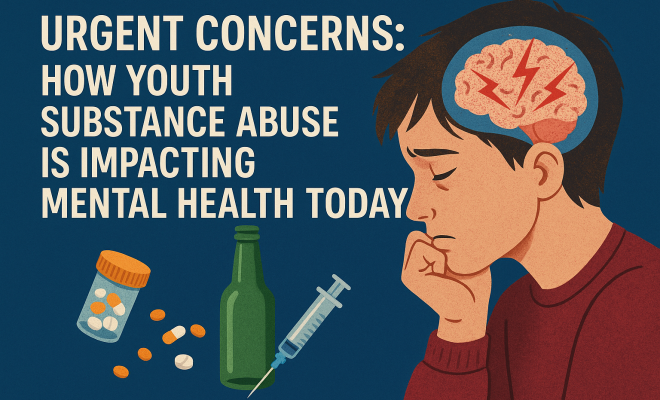
In recent months, a growing concern surrounding youth substance abuse and its impact on mental health has emerged, capturing the attention of community leaders, families, and educators alike. The rise in fentanyl-laced drugs, the alarming levels of nicotine addiction among children and teens, and the mental health risks associated with early marijuana use have thrown a spotlight on youth mental health issues. As communities grapple with these challenges, it’s crucial to understand the implications and take action to safeguard the well-being of the younger population.
The Fentanyl Crisis and Its Impact on Youth
Fentanyl, a synthetic opioid, has become infamous for its potency and the sheer number of overdoses it causes. According to the National Institute on Drug Abuse, fentanyl is 50 to 100 times more potent than morphine, making even a small amount potentially lethal. In recent discussions among local leaders, the alarming rise in fentanyl-laced drugs has been identified as a critical factor affecting youth mental health and safety.
Many youths are unknowingly exposed to fentanyl through counterfeit pills or laced recreational drugs. The National Institute on Drug Abuse reported that nearly 66% of synthetic opioid overdose deaths in the U.S. involved synthetic opioids other than methadone, with fentanyl being the leading culprit. This crisis doesn’t just threaten physical health; it has profound implications for mental well-being, as the loss of friends and peers to overdose can lead to anxiety, depression, and trauma among youth.
Nicotine Addiction Among Teens: A Growing Epidemic
While the fentanyl crisis is alarming, it’s not the only substance that poses a risk to youth mental health. The surge of vaping among teenagers has led to an epidemic of nicotine addiction, which can have devastating effects on developing brains. A report published by the Centers for Disease Control and Prevention (CDC) indicated that approximately 19% of high school students reported using e-cigarettes in 2020, a figure that has only risen in subsequent years.
Nicotine is known to affect mood and cognition and can lead to increased anxiety and depression. For many teens, the initial use of nicotine may seem harmless or even appealing, but the consequences can be severe. As addiction sets in, teens may find themselves trapped in a cycle that adversely affects their mental health.
Early Marijuana Use and Mental Health Risks
Alongside fentanyl and nicotine, early marijuana use is another factor that has raised red flags for mental health advocates. Research has consistently shown that using marijuana at a young age is linked with a host of mental health issues, including anxiety, depression, and an increased risk of psychosis. The American Psychiatric Association highlights that the younger a person starts using marijuana, the greater their risk for developing these issues later in life.
With changing perceptions around marijuana legalization and use, many youths may feel emboldened to experiment. However, education around the risks associated with early use is crucial. Community leaders stress that families and schools need to have open dialogues about the seriousness of marijuana use and its long-term effects on mental health.
Community Outreach and Engagement
In response to these pressing issues, community leaders have begun to take proactive steps to address youth substance abuse and mental health challenges. Town halls, educational seminars, and workshops are becoming increasingly common as avenues for informing parents and young people about the dangers of drug use.
One local initiative involved a series of community forums where experts discussed the risks of fentanyl and the importance of mental health support. The National Alliance on Mental Illness (NAMI) has been actively involved in these discussions, emphasizing the need for parents to recognize signs of distress in their children. By fostering a supportive environment, communities can help mitigate the effects of these substances.
Parental Involvement: The First Line of Defense
Parents play a vital role in safeguarding their children’s mental health, and their involvement can be crucial in preventing substance abuse. Open communication about drugs, mental health, and the pressures young people face is essential. Parents should strive to foster an environment where their children feel comfortable discussing their struggles and seeking help.
Experts recommend that parents educate themselves about the signs of substance abuse and mental health issues, so they can recognize potential problems early. Regular check-ins and conversations can make a world of difference, helping to ensure that children feel supported. Resources like family therapy and counseling can also be invaluable in building resilience.
Schools as Support Systems
Schools are uniquely positioned to address youth mental health and substance abuse through education and support systems. Many educators have begun integrating mental health education into the curriculum, teaching students about the effects of drugs on the mind and body while also normalizing conversations around mental health. Programs that promote social-emotional learning can help students develop coping strategies and resilience. (See: National Institute on Drug Abuse on Fentanyl.)
Furthermore, schools can serve as safe spaces where students can access mental health resources. Hiring school counselors and psychologists is pivotal in providing ongoing support. When students have access to mental health care within their educational environment, it can lead to improved academic performance and overall well-being.
The Role of Technology in Addressing Substance Abuse
As technology continues to evolve, it presents both challenges and opportunities in combating substance abuse and supporting mental health. Social media platforms can contribute to the spread of harmful behaviors, but they can also be harnessed to promote awareness and education. Campaigns aimed at reducing nicotine and drug use among teens are increasingly using social media to reach their target audience.
Mobile applications designed for mental health can provide immediate access to support and resources. These apps can help individuals track their mood, learn coping strategies, and even connect with therapists. The integration of technology in mental health initiatives is a growing trend that has the potential to reach youth in ways that traditional methods may not.
Collaborative Efforts: Building a Supportive Network
Effectively addressing youth mental health and substance abuse requires a collective approach. Collaboration among schools, families, community organizations, and healthcare providers can create a robust support system. Initiatives that bring these groups together can lead to more comprehensive solutions and a greater understanding of the challenges facing today’s youth.
Events that foster community engagement, such as health fairs or youth summits, can provide vital resources while also raising awareness about the issues at hand. By pooling resources and expertise, communities can better equip themselves to tackle the complex factors contributing to substance abuse and mental health challenges.
Policy Changes and Advocacy
Finally, addressing youth substance abuse and mental health requires thoughtful policy changes at local, state, and national levels. Advocates are calling for increased funding for mental health programs in schools, as well as stricter regulations around the sale of tobacco and vaping products to minors. The ongoing fight against fentanyl and other synthetic opioids also necessitates comprehensive strategies to curb the availability of these substances.
Advocacy efforts must also focus on public health education initiatives to inform families about the risks associated with substance use. By pushing for policy changes that prioritize mental health and substance abuse prevention, communities can create safer environments for their youth.
The Importance of Early Intervention
Recognizing the signs of mental health issues early on can be life-changing for youth. Early intervention is not just beneficial but essential in addressing problems before they escalate. Data from the Substance Abuse and Mental Health Services Administration (SAMHSA) shows that teens who receive early intervention services are significantly less likely to develop severe mental health disorders later in life. Parents and educators should be educated on the early warning signs, which may include changes in behavior, withdrawal from activities, or a sudden drop in academic performance.
Schools can implement screening programs to identify students who may need support. These proactive measures can lead to timely help, reducing the stigma often associated with mental health issues. For example, programs like the Mental Health First Aid training can equip teachers with the skills to recognize and respond to mental health crises effectively.
Creating Healthy Environments: The Role of Community Programs
Community programs dedicated to promoting healthy lifestyles can play a pivotal role in enhancing youth mental health. Initiatives that provide recreational activities, mentorship, and life skills training can help youth build resilience and self-esteem, steering them away from substance abuse. Organizations like Big Brothers Big Sisters offer mentoring programs that connect youths with positive role models, providing them with the support they need to navigate challenges.
Engaging the youth in creative outlets such as art, music, or sports can also foster a sense of belonging, which is vital for mental health. Encouraging participation in such programs helps youths develop social connections, which are protective factors against mental health issues. Furthermore, community gardens or physical activity programs can promote not just physical health but also mental well-being by providing spaces for relaxation and social interaction.
Statistics on Youth Mental Health and Substance Abuse
Understanding the statistics around youth mental health and substance abuse is crucial for grasping the severity of the situation. According to the CDC, mental health disorders affect about 1 in 5 children in the U.S. These conditions can manifest as anxiety, depression, or behavioral issues. In the realm of substance use, the National Institute on Drug Abuse reported that among U.S. high school seniors, nearly 36% had used illicit drugs at least once in their lives. Alarmingly, over 25% had engaged in binge drinking during the previous month.
These figures underscore the urgent need for a coordinated response to youth mental health and substance abuse. The correlation between substance use and mental health issues is profound, as many youths turn to drugs and alcohol as coping mechanisms for underlying problems. By addressing both facets simultaneously, we stand a better chance of fostering healthier futures for our youth.
Expert Perspectives on Youth Mental Health
Experts in mental health stress the importance of integrated approaches to tackling youth mental health and substance abuse. Dr. David Rosenberg, a child psychiatrist, notes, “It’s crucial to understand that mental health and substance use issues are often interlinked. If we only address one without considering the other, we’re not truly helping our youth.” (See: CDC data on fentanyl overdose.)
Furthermore, Dr. Emily Chen, a psychologist specializing in adolescent behavior, emphasizes the role of peer influence: “Youth are highly susceptible to peer pressure. Creating environments where healthy choices are the norm can significantly reduce substance abuse and improve mental health.” Such insights highlight the need for community-wide efforts to foster environments that support positive behaviors.
Frequently Asked Questions (FAQ)
What are the signs of mental health issues in youth?
Signs can vary, but common indicators include changes in mood, withdrawal from friends and activities, declining academic performance, changes in eating or sleeping habits, and substance use. Parents and educators should be vigilant for these signs and seek help if they notice any concerning behaviors.
How can parents support their child’s mental health?
Parents can support their child by maintaining open lines of communication, engaging in regular conversations about mental health, encouraging healthy coping strategies, and being proactive about seeking professional help when needed. Building a trusting relationship is key.
What resources are available for youth struggling with substance abuse?
Numerous resources exist, including hotlines, counseling services, and community programs. The Substance Abuse and Mental Health Services Administration (SAMHSA) provides a national helpline, while local organizations often offer specialized services tailored to youth.
How can schools contribute to improving youth mental health?
Schools can create inclusive environments that prioritize mental health education, provide access to counseling services, implement anti-bullying programs, and promote social-emotional learning. Training teachers to recognize mental health issues can also make a significant difference.
What role does social media play in youth mental health?
Social media can have both positive and negative impacts. It can be a source of support and community but may also contribute to anxiety, depression, and feelings of inadequacy. Educating youth about responsible social media use is critical.
Understanding the Connection Between Substance Use and Mental Health
Many studies point to a strong correlation between substance use and mental health disorders. For instance, the National Institute on Drug Abuse has shown that approximately 50% of individuals with severe mental disorders are affected by substance abuse. This dual diagnosis complicates treatment and requires integrated approaches for effective intervention.
Moreover, youth often turn to substances as a way to cope with symptoms of their mental health challenges. For example, a teenager battling anxiety might use alcohol to self-medicate. This behavior can lead to a vicious cycle, where increased substance use exacerbates their mental health issues, leading to further dependence on drugs or alcohol as a coping mechanism.
Understanding this relationship is critical for families and educators. By recognizing that substance use may be a symptom of underlying mental health issues, adults can better support youth in seeking appropriate help.
The Importance of Peer Support
Peer support plays a pivotal role in addressing youth mental health and substance abuse. Programs designed to foster peer connections can help youth feel less isolated and more understood. Many young people benefit from sharing their experiences with others who have faced similar challenges. This can lead to a supportive environment where youth feel comfortable discussing their mental health struggles and the pressures they face regarding substance use.
Schools can facilitate this by creating peer-led groups or clubs focused on mental wellness and healthy activities. Initiatives such as peer mentorship programs can empower students to support one another, creating a culture of openness and mutual assistance.
In recent years, programs like “Students Against Destructive Decisions” (SADD) have gained traction, helping students engage positively with their peers about the potential dangers of substance use while promoting healthy lifestyle choices.
Building Resilience Through Life Skills Education
Teaching life skills is another crucial way to support youth mental health. Resilience can be built by equipping young people with the tools they need to handle stress, make decisions, and interact positively with others. Life skills education can include topics such as emotional regulation, conflict resolution, and effective communication.
For instance, programs that focus on building emotional intelligence help youth identify and manage their emotions, a skill that significantly contributes to mental health. When young people learn how to cope with their feelings constructively, they’re less likely to resort to substance use as a means of escape.
Additionally, promoting healthy coping mechanisms, like mindfulness or journaling, can provide youth with strategies to manage anxiety or depression effectively. Schools can incorporate these practices into their programs, creating a generation of more emotionally intelligent and resilient individuals.
A Multidisciplinary Approach to Support
Addressing youth mental health and substance abuse effectively requires a multidisciplinary approach. Collaboration among mental health professionals, educators, community leaders, and families is crucial for comprehensive support. Each stakeholder brings unique insights and capabilities to the table, making collective efforts more impactful.
For example, mental health professionals can provide training for teachers on how to identify signs of distress and integrate mental health awareness into their classrooms. Meanwhile, families can reinforce these lessons at home, ensuring a consistent message of support and understanding.
Local governments can also play a role by providing funding for community programs that focus on prevention and education. When all these entities work together, they can create a culture that prioritizes mental well-being and reduces the stigma surrounding mental health issues and substance use.
Conclusion: A Call to Action
The intersection of youth substance abuse and mental health is a pressing issue that demands immediate attention. Community leaders, parents, educators, and policymakers must come together to address these challenges head-on. By fostering open communication, building supportive networks, and advocating for policy changes, we can help protect the mental health of our youth.
As we move forward, let’s remember that each step we take toward understanding and acting on these issues contributes to a brighter future for our children. The time to act is now, and together, we can make a difference in the lives of our youth.
“`
Trending Now
Frequently Asked Questions
How does youth substance abuse affect mental health?
Youth substance abuse significantly impacts mental health by increasing the risk of anxiety, depression, and trauma. The loss of friends to overdoses, especially from potent substances like fentanyl, can exacerbate these issues, leading to a cycle of mental health challenges among affected youths.
What are the dangers of fentanyl for teenagers?
Fentanyl poses severe dangers to teenagers due to its high potency, making even small amounts potentially lethal. Many youths may unknowingly consume fentanyl through counterfeit pills or laced drugs, leading to a heightened risk of overdose and associated mental health issues.
Why is nicotine addiction a concern for youth?
Nicotine addiction is increasingly concerning for youth as it can adversely affect brain development. The rise of vaping among teenagers has led to high addiction rates, which can contribute to long-term mental health issues, including anxiety and mood disorders.
What role do community leaders play in addressing substance abuse?
Community leaders play a crucial role in addressing youth substance abuse by raising awareness, implementing prevention programs, and creating supportive environments. Their involvement is essential in safeguarding youth mental health and promoting healthy lifestyles.
How can families help prevent youth substance abuse?
Families can help prevent youth substance abuse by maintaining open communication about the risks of substances, setting clear expectations, and fostering a supportive environment. Educating children about the dangers of drugs like fentanyl and nicotine is vital for their safety and mental well-being.
Agree or disagree? Drop a comment and tell us what you think.