Master Amigurumi: Your Guide to Crocheting Cute Stuffed Toys
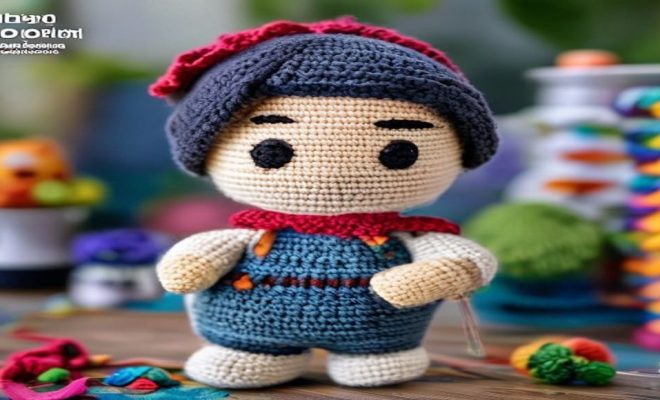
“`html
Are you ready to dive into the delightful world of crochet amigurumi? This fascinating craft combines artistry and functionality, allowing you to create adorable stuffed animals and character figures using just yarn and a hook. Whether you’re a seasoned crocheter or a complete beginner, this guide will walk you through everything you need to know about this unique and popular craft.
1. What is Crochet Amigurumi?
Amigurumi is a Japanese term that refers to the art of knitting or crocheting small stuffed toys or figures. The word itself is derived from the combination of two Japanese words: “ami,” meaning crocheted or knitted, and “nuigurumi,” which refers to stuffed dolls. This technique has gained immense popularity worldwide, captivating crafters of all ages and skill levels.
The charm of crochet amigurumi lies in its ability to transform simple yarn into whimsical characters. From cute animals to quirky plants, the possibilities are endless. Each piece often features exaggerated proportions—think big heads and small bodies—giving them a distinctive, playful appeal. This unique style is not just visually appealing; it makes the final product light and cuddly, perfect for gifting or decoration.
2. The History of Amigurumi
The origins of amigurumi can be traced back to Japan in the 1960s, but it wasn’t until the early 2000s that it gained international fame. With the rise of social media platforms like Instagram and Pinterest, the art form exploded in popularity. Crafters began sharing their creations, patterns, and techniques, which encouraged others to join in the fun.
Interestingly, the traditional Japanese culture already featured similar plush toys known as “kawaii”—a concept that emphasizes cuteness. As the world became increasingly connected through the internet, amigurumi was able to merge these cultural elements, creating a new, beloved craft that resonates with many.
3. Basic Materials You Need
Before you embark on your crochet amigurumi journey, you’ll need to gather some essential materials. The good news is that amigurumi doesn’t require a ton of supplies, making it accessible for beginners.
- Yarn: Choose a medium-weight yarn (often labeled as worsted weight) for beginners. Cotton yarn is another popular choice due to its durability and vibrant colors.
- Crochet Hook: A standard size G (4.0 mm) or H (5.0 mm) hook works well for most amigurumi projects. You may also want to have a smaller hook for finer details.
- Stuffing: Polyester fiberfill is commonly used to stuff your creations, keeping them plush and cuddly.
- Safety Eyes: These plastic eyes come in various sizes and colors and are essential for giving your amigurumi characters personality.
- Scissors and Tapestry Needle: You’ll need these for cutting yarn and weaving in ends, respectively.
Having these materials on hand will set you up for success as you begin to crochet amigurumi. Remember, the specific yarn weight and hook size can affect the final size of your project, so experiment with different combinations to see what works best for you.
4. Understanding Crochet Basics
Before jumping into amigurumi, it’s crucial to grasp some basic crochet techniques. Familiarizing yourself with fundamental stitches will help you as you create more complex designs. Here are some stitches you should master:
- Chain Stitch (ch): The foundation of most crochet projects, the chain stitch creates the base.
- Single Crochet (sc): This is the most common stitch used in amigurumi, producing a tight fabric that holds stuffing well.
- Slip Stitch (sl st): Used for joining pieces together and creating seamless transitions in your work.
- Increase (inc): This stitch allows you to add stitches to your row, creating a wider shape essential for shaping your amigurumi.
- Decrease (dec): This stitch decreases the number of stitches in a row, helpful for shaping and closing your creations.
Many online tutorials and video resources will help you master these techniques, so don’t hesitate to take your time learning. Once you’re comfortable with these basic stitches, you’ll be ready to tackle your first amigurumi pattern. (See: Learn more about amigurumi on Wikipedia.)
5. Choosing Your First Amigurumi Project
When you’re just starting, it can be tempting to dive into complex designs, but it’s best to choose a simple pattern to get the hang of amigurumi. Look for beginner-friendly patterns that focus on basic shapes and stitches. Some popular starter projects include:
- Crochet Ball: A simple sphere that can be turned into various characters.
- Basic Animal (like a bunny or bear): These patterns often use the same basic shapes, making them easier to follow.
- Fruits or Vegetables: These can be fun and quick projects that require minimal shaping.
As you gain confidence, you can gradually move on to more intricate designs. Take note of your interests and the materials you have available—this can guide your choices and keep you motivated throughout your crafting journey.
6. Amigurumi Patterns: Where to Find Them
Finding great crochet amigurumi patterns can significantly enhance your crafting experience. Luckily, there are numerous resources available, both free and paid. Here are some of the best places to begin your search:
- Online Crochet Communities: Websites like Ravelry and Crochetville have extensive libraries of user-generated patterns.
- Books: Many crochet books specialize in amigurumi and provide detailed instructions alongside illustrations.
- Blogs and YouTube Channels: Many crocheters share their patterns and tutorials online, often providing step-by-step guidance.
- Social Media: Platforms like Instagram and Pinterest are great for discovering new patterns and inspiration from fellow crocheters.
When selecting a pattern, ensure that it aligns with your skill level. Look for well-reviewed patterns with detailed instructions and images, which make the process smoother. As you gain experience, you can also try your hand at modifying existing patterns or creating your own from scratch!
7. Techniques for Shaping Your Amigurumi
Shaping is a crucial element in amigurumi that gives your creations their distinct forms. To achieve proper shaping, you’ll need to master a few techniques:
- Working in Rounds: Unlike traditional crochet where you work in rows, amigurumi typically uses rounds to create seamless objects. This technique often results in a tighter fabric that holds stuffing better.
- Color Changes: Many amigurumi projects require color changes to create features like facial details or patterns. Practice changing colors at the end of a round to make your transitions smooth.
- Shaping with Increases and Decreases: Use increases to expand parts of your project and decreases to taper them. This manipulation allows for more dynamic and appealing shapes.
Remember, shaping takes practice! Don’t hesitate to pull out stitches and rework sections until you achieve the desired look. With time and experience, you’ll become more adept at creating beautifully shaped amigurumi.
8. Adding Personality: Embellishments and Features
Once you’ve completed the basic body of your amigurumi, it’s time to add personality with embellishments and features. Here are a few ways to give your creations that extra charm:
- Safety Eyes: As mentioned earlier, safety eyes are an excellent way to add life to your characters. They come in various sizes and colors, and installing them is straightforward.
- Stitching Features: Consider using embroidery techniques to add noses, mouths, or patterns. Simple stitches like the satin stitch or backstitch can work wonders.
- Accessories: Hats, scarves, or clothing can add character to your amigurumi. You can even repurpose old fabric scraps to create unique outfits!
Don’t shy away from being creative—experiment with different stitches, colors, and materials to make each piece uniquely yours. Remember, the goal is to have fun and express your creativity!
9. Caring for Your Amigurumi Creations
After all the hard work you put into crafting your crochet amigurumi, it’s essential to learn how to care for them properly. Here are some tips to keep your creations looking their best:
- Washing: Most amigurumi can be spot cleaned with a damp cloth. If a deeper clean is necessary, check the yarn label for washing instructions. Typically, hand washing and air drying is the safest method.
- Storage: To maintain their shape, store your amigurumi in a dry place away from direct sunlight. If you have delicate pieces, consider using a display case or hanging them on a decorative wall.
- Repairs: Should your amigurumi get damaged, don’t hesitate to mend them. Use a needle and thread to sew up any holes or reattach limbs that may have come loose.
By taking good care of your crochet amigurumi, you’ll ensure they remain cherished companions for years to come.
10. The Psychology of Amigurumi: Why We Love Cute Things
Crochet amigurumi isn’t just a fun craft; it also taps into deeper psychological aspects of why we are drawn to cute objects. Research has shown that viewing or holding cute items—like your crocheted creations—can trigger positive feelings and even reduce stress. The “kawaii” culture from Japan, which celebrates cuteness, emphasizes that these soft, adorable figures evoke nurturing instincts, making them incredibly appealing to people of all ages. (See: Explore health benefits of crafting.)
11. Amigurumi in Pop Culture
Amigurumi has made its way into mainstream culture, appearing in various forms of media, from animated shows to video games. Popular characters are often reimagined as amigurumi figures, allowing fans to connect with their favorite stories in a new and creative way. For example, various online platforms showcase amigurumi versions of characters from hit shows like “My Little Pony” or video game icons such as Mario. This crossover not only broadens the appeal of crochet amigurumi but also inspires new crafters to enter the hobby.
12. Advanced Techniques for Experienced Crocheters
Once you’ve mastered the basics of crochet amigurumi, it’s time to explore more advanced techniques. Here are some you might find intriguing:
- Colorwork: Techniques like tapestry crochet allow you to create intricate designs and patterns using multiple colors. This adds an extra layer of creativity to your amigurumi.
- Texturing: Use different stitches such as puff stitches, bobble stitches, and loop stitches to add texture to your creations. This can create more visual interest and make your pieces more engaging.
- Jointed Limbs: For a more articulated look, you can learn to attach joints to your amigurumi. This technique often involves using safety joints, allowing arms and legs to move and adding life to your characters.
13. Amigurumi for Charity
Many crocheters use their skills to give back to the community by creating amigurumi for charitable causes. Organizations often accept donations of handmade toys for children in hospitals, orphanages, or shelters. Contributing to such causes not only spreads joy but also fosters a sense of community among crafters. If you’re interested in giving back, look for local charities or online groups that coordinate donations and projects.
14. Common Mistakes and How to Avoid Them
No one is perfect, and mistakes are a part of learning any craft. Here are some common pitfalls in crochet amigurumi and tips on how to avoid them:
- Too Tight Stitches: While tight stitches are essential for amigurumi, overdoing it can make it difficult to insert stuffing. If you’re struggling, try relaxing your grip on the yarn.
- Skipping Rows: Always pay close attention to your pattern and count your stitches regularly to avoid skipping important steps.
- Ignoring Gauge: While amigurumi often allows for flexibility, if you’re working on a specific project, it’s helpful to check your gauge. This ensures your final piece will match the pattern’s size.
15. Frequently Asked Questions
Q: What type of yarn is best for amigurumi?
A: While medium-weight yarn is commonly used, many crocheters prefer cotton yarn for its sturdiness and vibrant color retention. However, you can experiment with various yarn types to find what works best for your project.
Q: How do I secure the stuffing inside my amigurumi?
A: Ensure that your stitches are tight enough to hold the stuffing securely. You can also use a tapestry needle to sew up any gaps after stuffing your amigurumi to prevent any stuffing from escaping.
Q: Can I sell my amigurumi creations?
A: Absolutely! Once you’ve made your amigurumi, you can sell them at craft fairs, online marketplaces, or even through social media. Just be cautious about selling patterns designed by others without permission.
Q: How long does it take to make an amigurumi?
A: The time it takes to create amigurumi can vary significantly based on the complexity of the pattern and your crocheting speed. Simple patterns can take just a couple of hours, while intricate designs might take several days.
Q: How do I make my amigurumi more durable?
A: To increase durability, choose yarns that are specifically designed for toys, as they tend to be more robust. Also, ensure your stitches are tight and secure, and avoid using delicate embellishments that could wear out easily. (See: Physical activity and mental well-being.)
16. Exploring Different Amigurumi Styles
Crochet amigurumi comes in various styles and themes, which cater to different tastes and interests. Some popular styles you might want to explore include:
- Realistic Amigurumi: This style focuses on creating lifelike representations of animals or characters. It often involves detailed colorwork and intricate stitching techniques.
- Fantasy Creatures: Unleash your imagination by crocheting mythical beings like dragons, fairies, or unicorns. These projects often allow for more creative freedom in terms of design and color choices.
- Seasonal Amigurumi: Celebrate holidays and seasons through themed amigurumi. Think Easter bunnies, Halloween pumpkins, or Christmas ornaments, which can serve as delightful decor or gifts.
As you experiment with various styles, you’ll likely find your niche and develop pieces that resonate with your personal artistic vision.
17. Joining Amigurumi Communities
Getting involved in amigurumi communities can significantly enhance your crafting journey. Here are a few ways to connect with fellow enthusiasts:
- Social Media Groups: Platforms like Facebook and Instagram have numerous crochet amigurumi groups where you can share your work, ask for advice, and connect with others.
- Local Craft Clubs: Many communities have craft clubs or workshops. Joining one can provide invaluable hands-on experience and motivation from fellow crafters.
- Online Forums: Websites like Reddit have dedicated subreddits for amigurumi, where you can participate in discussions, share patterns, and troubleshoot issues together.
Being part of a community can inspire you, help you learn new techniques, and keep your passion for amigurumi alive.
18. Amigurumi and Mental Health
Crafting has been shown to have therapeutic benefits, and crochet amigurumi is no exception. Engaging in this creative activity can help reduce stress and anxiety while providing a sense of accomplishment. Many people find that the rhythmic motion of crocheting can be meditative, allowing for a break from daily stresses and a chance to focus on something fulfilling.
Additionally, the act of creating something beautiful can boost your mood and self-esteem. Many crocheters report feelings of joy and pride when they finish a project, which can contribute positively to mental well-being. So, whether you are crocheting alone or in a group setting, you’re likely to reap both mental and emotional benefits from this enjoyable craft.
Crochet amigurumi is not just a hobby; it’s a pathway to creativity and self-expression. Whether you’re crafting for yourself or making gifts for loved ones, this enchanting art form offers endless possibilities. So grab your yarn and hook, and let your imagination take flight—there’s a whole world of crochet amigurumi waiting for you!
“`
Trending Now
Frequently Asked Questions
What is amigurumi in crochet?
Amigurumi is a Japanese term for the art of crocheting or knitting small stuffed toys and figures. The term combines 'ami,' meaning crocheted or knitted, and 'nuigurumi,' which refers to stuffed dolls. This craft has gained popularity for its whimsical characters and playful proportions.
How did amigurumi start?
Amigurumi originated in Japan during the 1960s but gained international popularity in the early 2000s, largely due to social media platforms like Instagram and Pinterest. Crafters began sharing patterns and creations, which helped spread the art form worldwide.
What materials do you need for amigurumi?
To start crocheting amigurumi, you'll need basic materials such as yarn, a crochet hook, stuffing for the toys, and a pair of scissors. Optional items include stitch markers and a yarn needle for assembly and detailing.
Can beginners learn to crochet amigurumi?
Yes, beginners can learn to crochet amigurumi! The craft is accessible to all skill levels, and many patterns are designed specifically for newcomers. Simple shapes and techniques make it easy to create adorable figures with practice.
What are some popular amigurumi patterns?
Popular amigurumi patterns include cute animals like cats, dogs, and bunnies, as well as characters from popular culture. Many crafters also create whimsical plants and food items, expanding the range of charming designs available.
What did we miss? Let us know in the comments and join the conversation.