How AI is Transforming Mediterranean Diet Management for Chronic Disease Patients
“`html
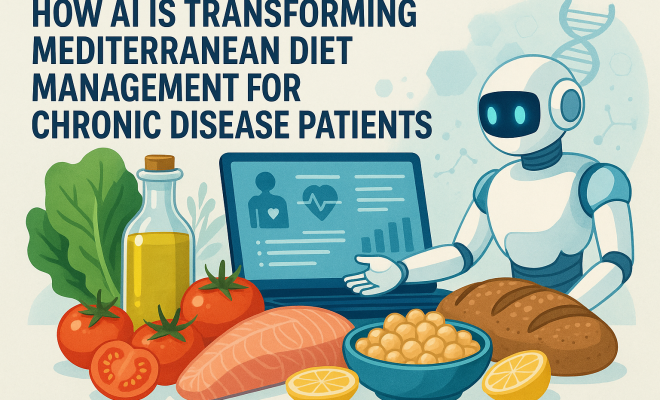
Imagine a world where managing your diet is as simple as typing a few words into an app. For individuals grappling with noncommunicable chronic diseases like diabetes and obesity, that reality is becoming more feasible thanks to new advancements in artificial intelligence. A recent study evaluated a system driven by large language models (LLM) designed to assist healthcare providers in dietary management, particularly focusing on the Mediterranean diet management approach. It’s an intersection of food, health, and technology that’s generating significant buzz—both for its potential benefits and the controversies it ignites.
The Mediterranean Diet: A Holistic Approach to Nutrition
The Mediterranean diet is not just a collection of foods; it’s a lifestyle deeply rooted in the cultural practices of countries bordering the Mediterranean Sea. This diet emphasizes fruits, vegetables, whole grains, legumes, nuts, and healthy fats, primarily olive oil. It also encourages moderate consumption of fish and poultry while limiting red meat and sugar. Research has consistently shown that adhering to this diet can reduce the risk of chronic diseases, making it a compelling choice for individuals looking to manage their health.
As people become increasingly aware of the link between diet and health, the Mediterranean diet’s popularity has surged. However, the challenge remains: how can individuals stick to such a diet, especially those with specific health considerations? Enter AI-driven dietary management systems that could hold the key to making this lifestyle more accessible.
The Rise of AI in Dietary Management
Artificial intelligence has entered various sectors, and nutrition is quickly becoming one of its focal points. Recent advancements have paved the way for AI systems that can provide personalized dietary advice based on a user’s health profile, preferences, and lifestyle. The study in question evaluates an LLM-based tool designed specifically for clinically guided dietary management.
This AI system uses complex algorithms to analyze user data and deliver tailored dietary recommendations. For people struggling with managing chronic conditions, the prospect of receiving immediate, personalized guidance is revolutionary. It’s akin to having a dietitian at your fingertips, available 24/7. But does it work? That’s what researchers sought to uncover.
The Study: Evaluating the AI System
The researchers conducted a comprehensive evaluation of the AI-driven dietary tool. They aimed to assess its effectiveness in providing personalized dietary recommendations that align with Mediterranean diet management principles. Participants in the study were individuals with chronic diseases, seeking support in changing their eating habits.
One of the standout features of the tool is its interactive interface. Users can input their dietary preferences, health conditions, and goals, receiving tailored meal plans and nutritional advice in return. This level of personalization is crucial, as the Mediterranean diet can be adapted to suit various dietary needs—whether one is vegetarian, vegan, or has specific food intolerances.
Potential Benefits of AI-Driven Dietary Management
The benefits of implementing AI in dietary management are numerous, particularly for chronic disease patients. Firstly, the AI system provides instant access to information that can help users make better food choices. Rather than waiting for a scheduled appointment with a dietitian, users can receive guidance on-the-go.
Moreover, the AI’s ability to analyze vast amounts of data allows it to identify patterns that may not be immediately apparent to human dietitians. For instance, if a user consistently reports high blood sugar levels, the system can analyze their dietary habits and suggest alternatives that better align with their health needs. This data-driven approach can lead to more effective management of chronic conditions.
Concerns and Controversies
While the prospects of AI in dietary management are exciting, they are not without controversy. Some healthcare professionals express concerns about overreliance on technology for dietary decisions. Questions arise about the accuracy of AI-generated advice and whether these systems can truly replicate the nuanced understanding a human dietitian offers.
Additionally, there’s a fear that individuals may misconstrue AI recommendations as infallible, leading to potential health risks. It’s crucial for users to remember that while AI can provide valuable insights, it should not replace professional medical advice. The ideal scenario would see AI acting as a complementary tool, enhancing the capabilities of dietitians rather than replacing them. (See: Healthy diet fact sheet by WHO.)
The Role of Personalization
One of the most compelling aspects of the study is how the AI system prioritizes personalization in Mediterranean diet management. Personalization is key for dietary success, especially for individuals managing chronic diseases. The Mediterranean diet is versatile; thus, it can be tailored to meet diverse needs. The AI tool allows users to customize their meal plans based on personal preferences, dietary restrictions, and health goals.
This customization extends beyond mere food choices. For example, the system can factor in cultural preferences or specific nutritional needs, ensuring that users remain engaged and satisfied with their dietary changes. This adaptability is critical in fostering long-term adherence to healthier eating patterns.
Expert Opinions on AI and Nutrition
The intersection of AI and nutrition has garnered significant interest from experts in the field. Nutritionists and dietitians are intrigued, yet cautious. Many see the potential for AI to revolutionize how dietary advice is delivered, especially for those who may not have access to in-person consultations.
However, experts stress the importance of maintaining a human touch in nutrition counseling. They argue that while AI can assist in providing data-driven recommendations, the emotional and psychological aspects of managing a diet require human empathy and understanding. This balance between technology and human interaction will be crucial in the successful implementation of AI in dietary management.
Case Studies: Real-World Applications
To understand the practical applications of AI in Mediterranean diet management, let’s look at a few real-world examples. Some healthcare facilities have begun integrating AI tools into their patient management systems, allowing dietitians to access AI-generated dietary plans alongside their clinical assessments.
One hospital reported that patients using the AI tool showed improved adherence to dietary recommendations compared to those who relied solely on traditional counseling methods. This is particularly encouraging for patients with diabetes, who often require consistent dietary management to maintain stable blood glucose levels.
Another example comes from a telehealth platform where patients can consult with dietitians remotely. The integration of AI into their services has allowed for quicker response times and more tailored dietary recommendations, which can significantly enhance patient engagement and adherence to treatment plans.
Future of Dietary Management with AI
The future of dietary management, especially for chronic disease patients, looks promising with the advent of AI technologies. As these systems continue to evolve, it’s likely that they will become more sophisticated, providing even more personalized and effective dietary recommendations.
For instance, advancements in machine learning might enable AI systems to predict a user’s nutritional needs based on real-time health data, such as glucose monitors or activity trackers. This kind of integration could lead to proactive dietary adjustments, allowing users to manage their chronic conditions with greater ease.
Actionable Steps for Individuals
If you’re considering utilizing AI for dietary management, especially with a focus on the Mediterranean diet, here are some actionable steps:
- Research and select an AI-driven dietary tool that aligns with your health goals and dietary preferences.
- Consult with a healthcare professional before making significant dietary changes, especially if you have pre-existing health conditions.
- Incorporate AI recommendations into your daily routine, but remain mindful of your body’s responses and adjust as necessary.
- Stay engaged with your healthcare team, using AI-generated insights to facilitate discussions during your appointments.
As technology continues to evolve, the integration of AI in Mediterranean diet management may well change the way people approach their nutrition and health. The ability to receive personalized advice at the touch of a button represents a major leap forward in dietary management, but it also requires careful consideration of how we use this technology responsibly.
Ultimately, the Mediterranean diet remains a valuable tool for promoting health and preventing chronic diseases. With the support of AI, individuals can potentially navigate this dietary landscape more effectively—finding a balance that suits their lifestyle and health needs. (See: Mediterranean diet and chronic diseases study.)
The Economic Impact of the Mediterranean Diet
Beyond individual health benefits, the Mediterranean diet can also have significant economic implications. A study by the European Journal of Clinical Nutrition indicated that countries embracing a Mediterranean dietary pattern could see a reduction in healthcare costs associated with chronic diseases. For example, Mediterranean countries generally report lower incidences of heart diseases, diabetes, and obesity compared to their Northern European counterparts.
This reduction in chronic disease prevalence can potentially save countries billions annually in healthcare spending. By adopting healthier eating habits, not only can individuals improve their well-being, but they can also contribute to a more sustainable healthcare system.
Statistics Supporting the Mediterranean Diet
Statistics surrounding the Mediterranean diet speak volumes about its efficacy. According to research published in the journal “Circulation,” adhering to a Mediterranean diet lowers the risk of cardiovascular diseases by 30 to 40%. Furthermore, a study in the “New England Journal of Medicine” found that participants following this diet experienced a 28% reduction in the risk of heart attacks, strokes, and cardiovascular death compared to those on a low-fat diet.
Additionally, the Mediterranean diet has been linked to improved cognitive function. A study in “Alzheimer’s & Dementia” found that older adults who adhered to a Mediterranean diet had a significantly lower risk of developing Alzheimer’s disease. This shows the broader implications of dietary patterns on long-term health.
FAQs About Mediterranean Diet Management
What are the primary components of the Mediterranean diet?
The primary components include fruits, vegetables, whole grains, legumes, nuts, olive oil, fish, and poultry. Red meat and sweets should be limited, while dairy products should be consumed in moderation.
How can AI assist in managing a Mediterranean diet?
AI can provide personalized meal plans based on individual health profiles, track dietary intake, and offer real-time recommendations. This helps users maintain adherence to the Mediterranean diet.
Can the Mediterranean diet be adapted for vegetarians and vegans?
Absolutely! The Mediterranean diet is versatile and can easily accommodate vegetarian and vegan diets by emphasizing plant-based proteins, grains, and legumes while minimizing or excluding animal products.
Is the Mediterranean diet suitable for everyone?
While the Mediterranean diet is generally considered healthy for most individuals, it’s essential to consult a healthcare provider or dietitian, especially for those with specific dietary needs or health conditions.
How quickly can one expect to see health benefits from the Mediterranean diet?
While individual results can vary, many people report improvements in energy levels, digestion, and overall well-being within a few weeks. Long-term adherence can lead to significant reductions in chronic disease risks over months to years.
Are there any potential downsides to the Mediterranean diet?
One potential downside is that it may be more expensive than a standard Western diet due to the emphasis on fresh produce and high-quality ingredients. Additionally, individuals transitioning from a highly processed diet may find it challenging initially. (See: BBC report on diet and health.)
Integrating Mediterranean Diet Management into Daily Life
Integrating the Mediterranean diet into your daily life can seem daunting at first, but with some planning and adjustments, it can become second nature. Here are a few tips to help you transition smoothly:
- Meal Prep: Dedicate a day each week to prepare meals. This can include chopping vegetables, cooking grains, and marinating proteins. Portion these out for easy access during the week.
- Explore New Recipes: Try to introduce at least one new Mediterranean recipe each week. This not only diversifies your meals but also keeps your culinary experience exciting.
- Mindful Eating: Embrace the Mediterranean culture of eating slowly and enjoying your food. Turn off distractions like the TV and savor each bite, which can improve your digestion and satisfaction.
- Join a Community: Engaging with others who are also following the Mediterranean diet can provide motivation and inspiration. Look for local groups or online forums to share recipes, tips, and support.
Success Stories: Transformations through the Mediterranean Diet
Hearing from individuals who have transformed their health through the Mediterranean diet can be incredibly inspiring. Here are a couple of success stories:
Sarah’s Journey: After being diagnosed with prediabetes, Sarah turned to the Mediterranean diet for help. By incorporating more whole foods and reducing processed sugars, she lost 30 pounds and managed to reverse her prediabetes within six months. She now enjoys cooking Mediterranean-inspired meals and shares her journey on social media, helping others find similar success.
John’s Experience: John, a 55-year-old man with a family history of heart disease, decided to shift to the Mediterranean diet after his doctor advised him to lower his cholesterol levels. He embraced the diet by focusing on whole grains, legumes, and healthy fats. Within a year, not only did he lower his cholesterol, but he also improved his overall energy levels and lost significant weight. His story highlights the power of dietary changes in preventing chronic disease.
Environmental Sustainability and the Mediterranean Diet
The Mediterranean diet is not only beneficial for individual health but can also be a model for environmental sustainability. The emphasis on plant-based foods and local ingredients contributes to lower carbon footprints compared to meat-heavy diets. Agricultural practices in Mediterranean countries tend to be more sustainable, focusing on organic farming and biodiversity.
Studies show that dietary patterns similar to the Mediterranean diet can significantly reduce greenhouse gas emissions. By choosing seasonal and locally sourced foods, you contribute to a healthier planet while enjoying a nutritious diet.
How to Maintain Long-term Commitment
Adhering to the Mediterranean diet long-term requires commitment and strategies to keep things interesting. Here are some ways to maintain your motivation:
- Set Realistic Goals: Instead of aiming for perfection, set small, achievable goals. This could be incorporating one new Mediterranean ingredient each week or trying a new recipe.
- Stay Informed: Read books, attend workshops, or follow chefs who specialize in Mediterranean cuisine. Staying educated enhances your cooking skills and appreciation for the diet.
- Track Progress: Keep a journal of your meals, how you feel, and any health improvements. Tracking can reinforce your commitment and help identify what works best for you.
- Celebrate Milestones: Acknowledge your progress and treat yourself (healthily!) when you reach certain goals. This could be a special meal at a Mediterranean restaurant or a cooking class.
Conclusion: Embracing a Healthier Future
The integration of AI in Mediterranean diet management reflects a broader trend towards personalized healthcare and the use of technology to promote better health outcomes. As research continues, it will be crucial to strike a balance between the use of AI tools and the invaluable human touch in dietary guidance. The Mediterranean diet, with its rich history and proven benefits, stands as a cornerstone in our quest for healthier lifestyles, supported by innovative technology and dedicated healthcare professionals.
“`
Trending Now
Frequently Asked Questions
How is AI changing diet management for chronic disease patients?
AI is revolutionizing diet management by providing personalized dietary advice tailored to individual health profiles and preferences. This technology can assist chronic disease patients, particularly those following the Mediterranean diet, making it easier to manage their health through improved dietary choices.
What is the Mediterranean diet and its benefits?
The Mediterranean diet emphasizes fruits, vegetables, whole grains, legumes, nuts, and healthy fats, especially olive oil. It promotes moderate fish and poultry intake while limiting red meat and sugar. Adhering to this diet has been shown to lower the risk of chronic diseases, making it beneficial for health management.
What role does technology play in dietary management?
Technology, particularly AI, plays a crucial role in dietary management by offering tools that analyze user data to provide personalized nutrition recommendations. These advancements help individuals adhere to specific diets, like the Mediterranean diet, by simplifying meal planning and tracking.
Can AI help with Mediterranean diet adherence?
Yes, AI can assist with Mediterranean diet adherence by tailoring meal suggestions and tracking nutritional intake based on individual health needs and dietary preferences. This personalized approach makes it easier for patients with chronic diseases to maintain a healthy lifestyle.
What are the challenges of following a Mediterranean diet?
Some challenges of following a Mediterranean diet include access to fresh ingredients, meal planning, and maintaining variety in meals. Additionally, individuals with specific health conditions may find it difficult to adapt the diet to their needs, which is where AI-driven solutions can provide valuable support.
What did we miss? Let us know in the comments and join the conversation.