The Alarming Link Between Screen Time and Diet in Adolescents: What Parents Need to Know
“`html
The issue of screen time and diet in adolescents has become a hot topic of discussion among parents, educators, and health professionals. As technology increasingly permeates the lives of young people, understanding its effects on their dietary habits is critical. A recent study published in the journal Pediatrics sheds light on how excessive screen exposure may be shaping the eating patterns of early adolescents, and the findings are both compelling and, frankly, a bit alarming. In this article, we’ll explore the connections between screen time and dietary intake, the implications for adolescent health, and what parents can do to foster healthier habits.
Understanding the Study’s Purpose
This study was motivated by growing concerns that screen time—whether it’s spent on smartphones, tablets, or gaming consoles—might lead to unhealthy eating habits among young people. Researchers aimed to determine if there is a direct correlation between the amount of time adolescents spend in front of screens and their dietary choices. The findings hold significant implications for public health, particularly as obesity rates among children continue to rise.
How Screen Time Affects Dietary Choices
The research provides evidence that increased screen time is associated with poorer dietary intake. Specifically, adolescents who spend more time on screens are more likely to consume higher amounts of sugary snacks, fast food, and sugary beverages while exhibiting lower intake of fruits and vegetables. This trend is concerning, as it suggests that screen time may not only distract from healthy eating but actively promote unhealthy food choices.
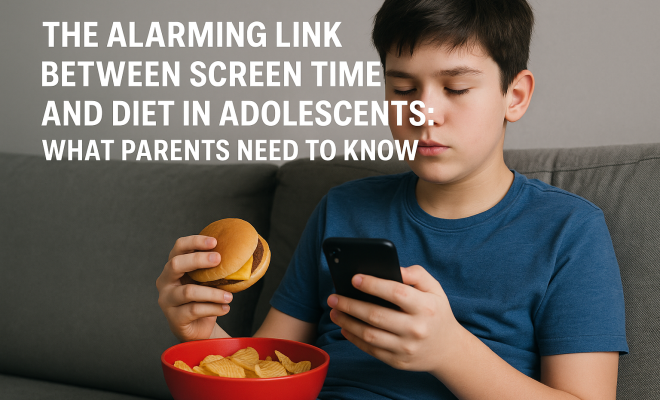
One of the study’s compelling observations was how screen time can lead to mindless eating. Engaging with screens often diminishes awareness of hunger cues, making it easier for adolescents to overeat or choose less nutritious options without realizing it. This phenomenon can create a vicious cycle, where poor dietary choices lead to increased screen time, which in turn reinforces these unhealthy habits.
Statistics That Paint the Picture
The statistics surrounding screen time and dietary habits among adolescents are staggering. Research indicates that on average, adolescents spend over seven hours a day in front of screens. This includes time spent on social media, gaming, and streaming services. Meanwhile, dietary studies show that only about 10% of adolescents meet the recommended daily intake for fruits and vegetables.
Moreover, adolescents who engage in over three hours of screen time daily are more likely to report consuming fast food three or more times a week. These figures underscore the troubling reality of how modern technology is reshaping the dietary landscape for young people.
The Psychological Impact of Screen Time
Digging deeper into the psychological aspects, it’s important to consider what screen time does to adolescents’ perceptions of food. When youths are constantly bombarded with advertisements for unhealthy foods while engaging with digital content, it normalizes unhealthy eating patterns. This constant exposure creates a perception that fast food and sugary snacks are not just acceptable, but desirable.
Additionally, social media plays a significant role in shaping body image and self-esteem, which can further complicate eating behaviors. When adolescents compare their lives and bodies to curated online personas, poor self-image may lead to unhealthy eating habits, such as binging or restrictive eating.
Parental Guidance and the Role of Education
As parents and educators, there is an urgent need to take action in response to these findings. It begins with educating both parents and children about the impacts of screen time and diet in adolescents. Strategies such as setting boundaries around screen time, encouraging family meals, and promoting healthy snacks can create a supportive environment for better dietary choices.
Involving children in meal preparation can also foster a healthier relationship with food. Not only does this provide an opportunity to teach cooking skills, but it also allows parents to discuss nutrition and the benefits of healthy eating in an engaging way.
Creating a Balanced Screen Time Plan
Creating a balanced approach to screen time is essential for promoting healthier eating habits among adolescents. The American Academy of Pediatrics (AAP) recommends that parents set specific limits on screen time, ensuring that it doesn’t interfere with sleep, physical activity, and other healthy behaviors. Establishing tech-free zones during meal times can encourage family interactions and mindfulness around food. (See: Childhood obesity statistics and resources.)
Additionally, parents should aim to model healthy behaviors themselves. Children often emulate the habits of their caregivers, so demonstrating a balanced approach to screen time and healthy eating is essential. This means setting a good example by limiting your own screen use and prioritizing nutritious meals.
Making Healthy Choices in a Digital World
Fortunately, technology isn’t all bad; it can also be a tool for positive reinforcement. There are numerous apps available that can help track dietary intake and promote healthier eating habits among young people. For instance, apps that gamify healthy eating or encourage cooking can be effective in motivating adolescents to make better choices.
Schools can also play a pivotal role by integrating nutrition education into the curriculum. Teaching children about healthy food choices and the implications of their eating habits can empower them to make informed decisions.
Addressing Cultural and Social Factors
It’s also crucial to recognize the cultural and social factors that influence adolescents’ eating habits. Family dynamics, socioeconomic status, and cultural background can all affect dietary choices and screen time usage. For instance, families with limited resources may rely more on fast food options due to affordability and convenience, while cultural preferences can dictate what foods are deemed acceptable.
Understanding these factors can help develop tailored interventions that address specific community needs. Collaborating with local organizations to provide resources and education can bridge the gap and promote healthier eating habits in various demographic groups.
The Future: Research and Recommendations
As research on the relationship between screen time and diet in adolescents continues to evolve, it’s vital to stay informed about new findings. Ongoing studies will help uncover deeper insights into how technology affects youth health and what mitigation strategies can be put in place.
For now, parents, educators, and health professionals must take proactive steps to foster healthier habits. Encouraging physical activity, promoting nutritious choices, and setting healthy boundaries around screen time are all critical components of a holistic approach to adolescent health.
Conclusion: The Responsibility to Act
Given the evidence linking screen time to poor dietary habits in adolescents, it’s clear that we all have a responsibility to act. Whether you’re a parent, teacher, or health advocate, understanding this connection can empower you to make positive changes in the lives of young people. The future of adolescent health may depend on our ability to manage screen time effectively while promoting healthy eating habits. Together, we can create an environment that supports the well-being of the next generation.
Additional Factors Influencing Screen Time and Diet
Beyond the immediate relationship between screen time and dietary choices, several broader factors can influence adolescents’ behaviors. These include peer influences, the availability of healthy food options, and even the presence of mental health issues. Peer pressure can play a significant role in both screen habits and diet. For example, adolescents may choose unhealthy fast food during outings with friends, feeling compelled to fit in with group norms.
On the flip side, schools that implement health-focused initiatives can effectively counteract these trends. Programs that encourage physical activity and provide healthy meals can foster environments where nutritious eating becomes the norm, rather than the exception.
Case Studies: Successful Interventions
Looking at successful interventions can offer valuable insights. One notable initiative is the “Healthy Eating, Active Living” program launched in several school districts across the U.S. This program combines nutrition education with physical activity and has shown a marked decrease in obesity rates among participating students. By integrating technology, such as health tracking apps, students learn to monitor their dietary habits while minimizing screen time dedicated to non-productive activities.
Another example is the “Food for Thought” program, which connects local farms with schools to provide fresh produce for school lunches. Not only does this initiative improve the quality of food available but it also teaches students about the benefits of fresh fruits and vegetables, thereby encouraging healthier dietary choices. (See: Study on screen time and dietary intake.)
The Role of Technology in Enhancing Healthy Eating
In addition to being a source of distraction, technology can be leveraged to promote healthier eating habits among adolescents. Virtual reality cooking classes and interactive meal planning apps allow young people to engage with food in innovative ways. These technologies can make learning about healthy eating fun and accessible.
For instance, one popular virtual cooking platform enables users to follow along with professional chefs, making cooking less intimidating and more enjoyable. Instead of scrolling through social media feeds, adolescents can immerse themselves in culinary skills, which can lead to improved dietary habits.
FAQs About Screen Time and Diet in Adolescents
How much screen time is considered excessive for adolescents?
The American Academy of Pediatrics recommends that adolescents should have no more than 1-2 hours of recreational screen time per day. This limit emphasizes the importance of balancing screen activities with physical activity and face-to-face interactions.
What are some healthy snacks to encourage during screen time?
Healthy snacks like fruits, vegetables with hummus, yogurt, and nuts can provide nutritious options while engaging with screens. Keeping these accessible can encourage better eating choices during screen time.
Can screen time impact sleep and consequently diet?
Absolutely. Excessive screen time, especially before bed, can interfere with sleep quality. Poor sleep has been linked to unhealthy eating patterns, as tired adolescents may crave high-sugar and high-fat food for quick energy boosts.
What role can schools play in addressing screen time and diet issues?
Schools can implement policies that limit screen time during meals, provide nutrition education, and promote physical activities. Collaborations with local health organizations can further enhance these initiatives.
Are there specific apps that promote healthy eating habits among adolescents?
Yes, apps like MyFitnessPal and Lose It! help track dietary intake while offering healthy recipes and meal planning tips. Other apps gamify the process of eating healthily, making it fun and engaging for adolescents.
How can parents monitor and manage their teen’s screen time effectively?
Parents can set clear expectations regarding screen time limits and encourage activities that don’t involve screens. Utilizing parental control apps can help track usage and establish boundaries. Family discussions about screen time can also foster a sense of accountability among adolescents.
Community Involvement and Awareness
Community programs can play a pivotal role in combating the negative effects of screen time on diet. Initiatives such as youth-led health clubs can empower adolescents to take charge of their eating habits. By fostering leadership skills and encouraging peer support, these programs can create a culture of health awareness among young people.
Involving local businesses in sponsorships for health events can also help raise awareness and funds for nutrition education programs. Community gardens, for example, not only provide fresh produce but also educate adolescents on where their food comes from and the importance of making healthy choices.
Long-Term Implications of Poor Habits
The long-term implications of unhealthy eating habits exacerbated by excessive screen time can be severe. Obesity, type 2 diabetes, and cardiovascular diseases are rising among adolescents, leading to potential long-term health complications.
Furthermore, the psychological effects of poor dietary habits can manifest in various ways, including depression and anxiety, often linked to body image issues. Encouraging adolescents to adopt healthier habits early can create a ripple effect, leading to lifelong health and wellness.
Understanding the Impact of Marketing on Adolescents
Marketing strategies specifically targeting adolescents can significantly influence their food choices. Many companies utilize social media influencers and targeted ads to promote unhealthy food products, making them more appealing to this demographic. A study found that adolescents exposed to food advertisements were more likely to choose those advertised products, even when healthier options were available.
This exposure creates a paradox where adolescents may desire to eat healthier but are continually tempted by enticing marketing for junk food. It’s essential for parents and educators to discuss these tactics openly, helping adolescents become critical consumers of media.
Implementing Healthy Tech Alternatives
Some parents are finding success by substituting traditional screen time with more productive tech alternatives. For example, educational apps that promote cooking skills or nutrition knowledge engage adolescents in a positive way. By encouraging teens to explore apps that teach them about meal planning, healthy eating habits, and budgeting for groceries, parents can turn screen time into a learning opportunity.
Additionally, virtual group cooking challenges can create a community around healthy eating, encouraging adolescents to share their experiences and learn from each other.
Encouraging Physical Activity Alongside Nutrition Education
Integrating physical activity into the daily routine is just as important as promoting healthy eating. Schools and communities should emphasize the connection between physical health and nutrition by implementing comprehensive health programs. Activities that combine cooking lessons with physical challenges, such as “cooking and moving” workshops, can make learning about health enticing and enjoyable.
For instance, a program that combines yoga sessions followed by healthy cooking demonstrations can reinforce how physical well-being and nutrition are interconnected. This holistic approach can significantly impact adolescents’ overall health behaviors.
“`
Trending Now
Frequently Asked Questions
How does screen time affect adolescent diet?
Increased screen time is linked to poorer dietary choices among adolescents. Those who spend more time on screens tend to consume more sugary snacks and fast food while eating fewer fruits and vegetables. This trend suggests that screen exposure can distract from healthy eating habits and promote unhealthy food choices.
What are the health implications of screen time for teens?
Excessive screen time can lead to unhealthy eating patterns, contributing to rising obesity rates among adolescents. Poor dietary choices, such as higher consumption of sugary snacks and lower intake of nutritious foods, can have long-term health effects, including increased risk of chronic diseases.
Can screen time lead to mindless eating in teenagers?
Yes, engaging with screens can lead to mindless eating. Adolescents may become less aware of their hunger cues while distracted by screens, resulting in overeating or choosing less nutritious foods without realizing it. This behavior can create a cycle of poor dietary choices.
What can parents do to manage screen time and diet?
Parents can help foster healthier habits by setting limits on screen time, encouraging family meals, and promoting healthy snack options. Engaging adolescents in discussions about their screen usage and dietary choices can also help them make more conscious decisions about their eating habits.
Is there a correlation between screen time and obesity in adolescents?
Yes, studies indicate a correlation between increased screen time and rising obesity rates in adolescents. The combination of sedentary behavior and poor dietary choices associated with excessive screen exposure contributes to weight gain and related health issues.
Have you experienced this yourself? We’d love to hear your story in the comments.