Trump Slams Media Over Iran Conflict Coverage
“`html
Trump Takes a Stand
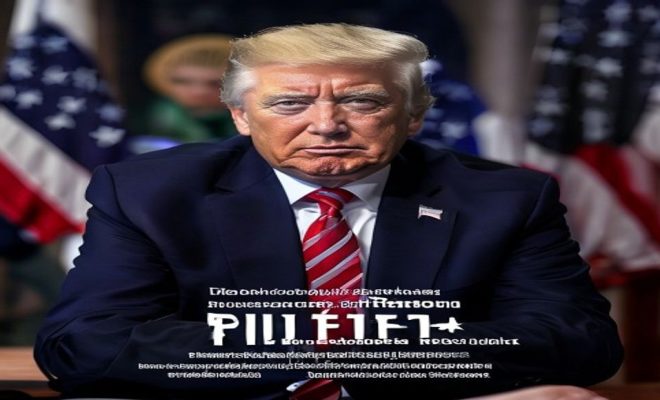
Former President Donald Trump has once again made headlines, this time with a vehement attack on some of America’s most trusted news organizations: The New York Times, CNN, and The Wall Street Journal. His criticism centers around their coverage of the ongoing conflict in West Asia and Iran, which has grown increasingly volatile. Trump’s comments resonate deeply with a public that is not only concerned about international security but also about the narratives being shaped by the media.
The Context of the Conflict
The backdrop to Trump’s criticism is the escalating tensions in West Asia, particularly involving Iran and its influence on regional stability. As of late, the situation has become precarious, with rising violence and a growing number of casualties, particularly among Israeli citizens. This conflict has drawn attention not just from political leaders but also from various media outlets, each offering their interpretations and analyses.
The National Security Council (NSC) has recently reported a significant increase in violence and casualties in Israel, which has prompted urgent discussions about the U.S. approach to the crisis. In this context, Trump’s remarks, stating that media coverage has been lacking in its substance and fairness, have sparked considerable debate regarding the role of journalism in shaping public perception of international affairs.
Media Responses and Public Reactions
Trump’s condemnation of major news outlets has not gone unnoticed. Social media platforms erupted with discussions and debates as users weighed in on the perceived biases of these organizations. Many supporters commended Trump for challenging what they believe to be an unfair portrayal of the situation in Iran and West Asia, while critics accused him of attempting to undermine legitimate journalism.
The role of media in conflict reporting is crucial; it can either illuminate the complexities of international crises or obfuscate the truth with sensationalism. Trump’s comments have intensified scrutiny on how these outlets report on conflicts, especially those involving U.S. interests and allies.
Examining Media Bias
The notion of media bias is not new, but Trump’s accusations have reignited discussions about how major outlets cover significant international events. Supporters argue that the media often leans towards a narrative that criticizes Israel and downplays Iranian aggression. They urge for a more balanced approach, one that accurately reflects the realities on the ground rather than a narrative shaped by political agendas.
On the flip side, critics of Trump’s stance point out that every media outlet has its perspective, and accusations of bias can sometimes lead to an erosion of trust in journalism. They emphasize the importance of critical engagement with news and suggest that readers should consume diverse sources to form a well-rounded understanding of any conflict, including the ongoing Donald Trump Iran conflict.
The Political Landscape
Trump’s comments come at a politically charged moment. As the 2024 presidential election approaches, foreign policy remains a pivotal topic for voters. The way candidates discuss international conflicts, particularly those involving Iran, will likely influence public opinion and voter behavior.
The former president’s focus on media coverage aligns with his broader narrative of being an outsider challenging the status quo. This position resonates with many of his supporters, who feel disenfranchised by a political system they perceive as ignoring their concerns. His attack on the media drives engagement among voters who prioritize strong national security policies.
The Role of Social Media
Interestingly, social media has become a battleground for ideas and opinions regarding the Donald Trump Iran conflict. Tweets, posts, and memes have proliferated as users express their views on both Trump’s criticisms and the media’s coverage of the conflict. This engagement not only amplifies Trump’s message but also creates a space for public discourse that can influence perceptions on a larger scale.
Platforms like Twitter and Facebook allow voices that may feel sidelined by mainstream media to emerge, creating a diverse array of opinions about the conflict. However, this also raises concerns about misinformation and the quality of discourse, especially in matters as serious as international relations.
The Implications for U.S. Foreign Policy
The implications of Trump’s comments extend beyond media criticism. They enter the realm of U.S. foreign policy, as public perception can significantly influence government actions. With rising tensions in the Middle East, the Biden administration faces the challenge of addressing these issues while maintaining public trust and support. (See: CDC on international conflict impacts.)
As discussions about military intervention and support for allies become increasingly urgent, the administration must navigate a complex landscape shaped by both geopolitical realities and domestic public opinion. The public’s appetite for a certain narrative, whether shaped by Trump or the media, will play a key role in guiding this policy direction.
Understanding Public Sentiment
The public’s emotional response to the coverage of the Iran conflict reflects deeper societal concerns. Many Americans fear the consequences of escalation, including military intervention, loss of life, and broader regional instability. Trump’s criticisms tap into these fears, suggesting that the current media narratives could lead to misunderstandings or miscalculations in foreign policy.
Furthermore, this situation underscores the importance of transparency and accountability in media reporting. As public trust in media wanes, the demand for a more comprehensive and nuanced portrayal of international conflicts grows. Citizens expect news outlets to inform them about the complexities of issues, not just provide surface-level coverage.
Expert Analysis and Perspectives
Experts on international relations and media studies offer valuable insights into the dynamics at play. Many argue that media plays a crucial role in informing public opinion and, consequently, influencing policy decisions. By framing stories in particular ways, outlets can shape the national conversation around key issues like the Donald Trump Iran conflict.
Political analysts also suggest that Trump’s approach reflects a broader strategy to galvanize his base by presenting himself as a critic of the establishment—both political and media. This tactic not only strengthens his support among conservative voters but also places pressure on mainstream media to reconsider how they report on sensitive subjects like international conflicts.
Looking Ahead
The debate over media coverage and the Iran conflict is far from over. As the situation evolves, so too will the narratives surrounding it. Trump’s recent remarks highlight the need for critical engagement with both news and political discourse. For the American public, understanding the complexities of international conflicts and the motives behind their coverage is more important than ever.
As we move further into an election season that promises to be contentious, the way candidates address foreign policy issues, especially those involving Iran, will play a significant role in shaping the political landscape. Whether Trump’s comments will resonate with voters long-term remains to be seen, but the conversation he has ignited about media bias and international security will likely be a lasting one.
Historical Context of U.S.-Iran Relations
To fully understand the current tensions and the Donald Trump Iran conflict, it’s essential to revisit the historical backdrop of U.S.-Iran relations. The relationship has been fraught since the 1953 CIA-backed coup that overthrew Iran’s democratically elected Prime Minister Mohammad Mossadegh, establishing the Shah’s authoritarian regime. The Iranian Revolution in 1979 further deteriorated relations, leading to the hostage crisis and the severing of diplomatic ties.
Since then, U.S. policy towards Iran has oscillated between sanctions, diplomatic engagement, and military threats, particularly surrounding Iran’s nuclear program. The Joint Comprehensive Plan of Action (JCPOA) signed in 2015 was seen as a pivotal moment for potential peace, but Trump’s withdrawal from the agreement in 2018 marked a significant escalation in hostilities.
Current Geopolitical Dynamics
The geopolitical landscape surrounding the Donald Trump Iran conflict is heavily influenced by various regional players. Iran’s influence extends through proxies in Lebanon, Syria, Iraq, and Yemen, complicating any straightforward U.S. approach. These proxy conflicts often involve direct confrontations with U.S. allies, particularly Israel and Saudi Arabia, exacerbating tensions further.
Recent developments, such as the normalization of relations between Israel and several Arab states (the Abraham Accords), have added layers of complexity to the situation. Iran perceives these alliances as a direct threat, leading to heightened rhetoric and military posturing from both sides. Understanding these dynamics is crucial for grasping the implications of Trump’s statements and U.S. foreign policy decisions moving forward.
Public Opinion Polls on Iran
Public opinion regarding Iran and U.S. policy has consistently fluctuated over the years, reflecting the broader context of international events and media portrayal. Recent polls indicate that a significant portion of the American public is wary of military involvement in Iran, favoring diplomatic solutions instead. According to a 2023 Gallup poll, 62% of Americans prefer diplomacy over military action when it comes to Iran.
The shifting sentiments illustrate a growing desire among citizens for engagement rather than confrontation. This sentiment may influence political candidates as they craft their platforms leading up to the 2024 elections, especially in debates surrounding military spending and foreign intervention. (See: BBC coverage of the Iran conflict.)
Comparing Trump’s Policies with Previous Administrations
Analyzing Trump’s approach to Iran in comparison with previous administrations reveals significant differences in strategy. Barack Obama emphasized diplomacy, leading to the JCPOA, while George W. Bush’s tenure was characterized by a more aggressive stance, particularly in the aftermath of 9/11. Trump’s administration, however, marked a return to a confrontational approach that included heightened sanctions and military threats.
Each administration’s approach has shaped the current landscape, and understanding these differences can provide insights into why certain narratives, like Trump’s media criticism, resonate with particular voter demographics. The divergence in policies reflects broader ideological divides within the U.S. regarding how best to approach international relations, especially with perceived adversaries like Iran.
Impact of Trump’s Rhetoric on the Iranian Government
Trump’s rhetoric not only influences American public opinion but also impacts how the Iranian government responds to U.S. policies. The Iranian leadership often uses Trump’s statements to rally domestic support against perceived external threats, framing U.S. actions as aggressive imperialism. This narrative can strengthen hardline factions within Iran, making diplomatic resolutions more challenging.
Moreover, Trump’s comments can serve as a rallying cry for the Iranian populace, who may feel a sense of nationalism and unity against what they perceive as foreign aggression. This dynamic complicates the efforts of moderates within Iran who may seek rapprochement with the West, underscoring the broader consequences of political rhetoric in international relations.
Frequently Asked Questions (FAQ)
1. What sparked Donald Trump’s criticism of the media regarding the Iran conflict?
Trump’s criticism stems from his belief that major news outlets are not portraying the Iran conflict accurately, often downplaying Iranian aggression and misrepresenting the complexities of the situation.
2. How does public opinion influence U.S. foreign policy towards Iran?
Public opinion plays a critical role in shaping foreign policy, as elected officials often align their stances with the prevailing sentiments of their constituents. Rising public support for diplomatic solutions can lead to a shift in policy away from military intervention.
3. What are the historical factors that contribute to current tensions between the U.S. and Iran?
The historical factors include the 1953 coup that overthrew Iran’s democratically elected government, the Iranian Revolution in 1979, and various U.S. policies and sanctions over the decades, particularly related to Iran’s nuclear program.
4. How do social media platforms affect the discourse around the Iran conflict?
Social media platforms amplify various opinions and narratives, allowing for broader public engagement. However, they can also spread misinformation, complicating the dialogue about serious international issues.
5. What are the implications of Trump’s approach for future U.S.-Iran relations?
Trump’s confrontational approach may lead to increased tensions and complicate efforts for diplomatic engagement. Future administrations may need to navigate the consequences of this rhetoric while attempting to find a path forward in U.S.-Iran relations.
6. How do expert opinions on media and public perceptions shape the understanding of the Iran conflict?
Experts highlight that media framing can significantly influence public perceptions, which in turn affects policy decisions. An informed public that engages critically with media can lead to more balanced narratives and better understanding of international conflicts, including the Iran situation.
The Future of U.S.-Iran Relations
As we look ahead, one of the critical questions surrounding the Donald Trump Iran conflict is what the future holds for U.S.-Iran relations. With the complexities of regional geopolitics and the varied interests of international actors, any shift in policy will require careful consideration of multiple factors.
For instance, if Trump were to regain the presidency in 2024, it’s likely he would continue his hardline approach toward Iran, maintaining sanctions and possibly pursuing military options. Conversely, if a more diplomatic-minded candidate emerges, there could be opportunities for renewed negotiations, potentially leading to a new agreement that addresses not just nuclear proliferation but also issues of regional security and human rights. (See: New York Times analysis of Iran-Israel tensions.)
Moreover, the influence of other countries such as Russia and China cannot be understated. Both nations have engaged with Iran in ways that challenge U.S. interests in the region. For instance, China’s recent partnership with Iran, involving significant economic investments, could further complicate U.S. diplomatic efforts.
The Role of International Organizations
International organizations, particularly the United Nations, play a significant role in mediating the tensions between the U.S. and Iran. The UN has been involved in monitoring Iran’s nuclear activities through the International Atomic Energy Agency (IAEA), which attempts to ensure compliance with international agreements. However, the effectiveness of these organizations often hinges on the willingness of member states to cooperate and adhere to international norms.
Many experts argue that the U.S. should leverage these organizations more effectively to address its concerns about Iran. Engaging with allies and partners within the UN framework could provide a more robust solution to the challenges posed by Iran’s nuclear ambitions and regional activities.
Analyzing the Economic Impact of Sanctions
Sanctions have been a cornerstone of U.S. policy towards Iran since the 1980s, and they have evolved significantly over time. The re-imposition of sanctions by Trump in 2018 following the withdrawal from the JCPOA had profound economic consequences for Iran, leading to significant currency devaluation and economic contraction. According to a 2022 report by the International Monetary Fund (IMF), Iran’s economy shrank by 6% in 2019 and faced a further contraction in subsequent years due to ongoing sanctions and the COVID-19 pandemic.
These sanctions not only hurt the Iranian economy but also affected ordinary citizens. The rising cost of living and unemployment has fueled discontent within Iran, leading to protests and calls for reform. Understanding the economic ramifications of U.S. policies is crucial for shaping a nuanced approach toward Iran in the future.
The Impact of Domestic Politics on Foreign Policy
Domestic politics play a significant role in shaping U.S. foreign policy. The ongoing debates about immigration, healthcare, and economic recovery often overshadow complex international issues like the Iran conflict. As politicians focus on domestic concerns, foreign policy might take a backseat, impacting U.S. credibility and leverage in international negotiations with Iran and other nations.
Moreover, the polarized political environment in the U.S. means that foreign policy decisions can be contentious topics. Democrats and Republicans often have divergent views on how to handle Iran, which can lead to inconsistent policies that undermine long-term effectiveness. Finding common ground on foreign policy could enhance U.S. standing on the global stage, but achieving it is often easier said than done.
Concluding Thoughts on Media and Foreign Policy
The intersection of media narratives and foreign policy, especially regarding the Donald Trump Iran conflict, illustrates the intricate web of influences that shape public perception and government action. As media outlets continue to report on international conflicts, they must grapple with their responsibilities in providing accurate and balanced coverage that informs the public without sensationalism.
In a landscape marked by rapid changes in both media and international relations, citizens must remain engaged and informed. Understanding the complexities behind the headlines can empower individuals to demand higher standards from their leaders and media organizations, ensuring that the narratives surrounding conflicts like those involving Iran are as nuanced as the situations themselves.
“`
Trending Now
Frequently Asked Questions
What did Donald Trump say about media coverage of the Iran conflict?
Donald Trump criticized major news organizations like The New York Times, CNN, and The Wall Street Journal for their coverage of the Iran conflict, claiming it lacks substance and fairness. His remarks reflect a growing concern among the public regarding how media narratives shape perceptions of international crises.
How has the Iran conflict affected Israel?
The Iran conflict has led to escalating violence and increased casualties in Israel. Recent reports from the National Security Council highlight a significant rise in violence, prompting urgent discussions about the U.S. response to the ongoing crisis and its implications for regional stability.
What is the public reaction to Trump's media criticism?
Public reactions to Trump's criticism of media coverage have been polarized. Supporters praise him for challenging perceived biases, while critics argue that he undermines legitimate journalism. Social media discussions reflect these divided opinions on the role of the media in conflict reporting.
Why is media coverage important in international conflicts?
Media coverage plays a crucial role in shaping public understanding of international conflicts. It can illuminate complexities, influence perceptions, and inform policy decisions. In the case of the Iran conflict, accurate and fair reporting is essential for fostering informed public discourse and response.
What are the implications of Trump's comments on journalism?
Trump's comments raise important questions about the role of journalism in international affairs. By criticizing major news outlets for their coverage, he sparks debate about media biases and the responsibility of journalists to provide balanced reporting, especially in volatile situations like the Iran conflict.
Agree or disagree? Drop a comment and tell us what you think.