The Mind-Blowing Cellular Reversal: Rejuvenation Clinics vs. Plastic Surgery
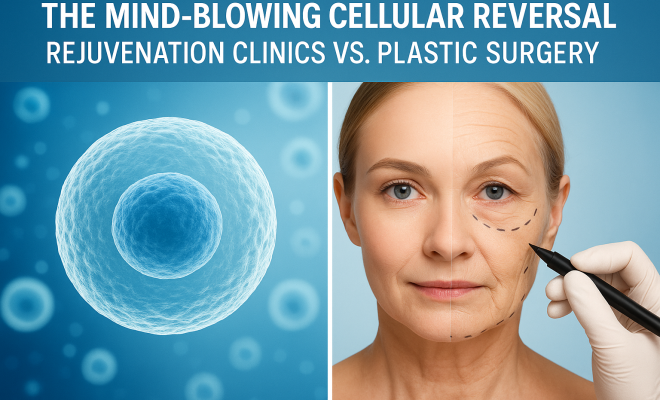
Imagine turning back the clock on your cells by sixty years. It sounds like something straight out of a science fiction novel, doesn’t it? Yet, on October 21, 2026, a team of scientists made headlines with a truly astonishing discovery that could fundamentally reshape our understanding of aging. They successfully transformed blood cells from an 80-year-old individual into neural stem cells, effectively resetting their molecular age to less than 20. Yes, you read that right: over six decades of cellular aging reversed in a laboratory. This isn’t just a fascinating lab trick; it opens up entirely new frontiers in the quest for youth and longevity, prompting many to wonder about the future of anti-aging. Specifically, it brings into sharp focus the ongoing debate: which path is right for you when considering rejuvenation clinics vs plastic surgery?
For decades, traditional plastic surgery has been the go-to solution for visible signs of aging. We’ve all seen the dramatic transformations—facelifts, tummy tucks, eyelid surgeries—that promise a more youthful appearance. But what if the answer to looking younger wasn’t just about tightening skin or removing fat, but about turning back the clock at a cellular level? This groundbreaking research suggests that true rejuvenation might lie deeper than the surface. As we stand on the cusp of a new era in anti-aging, it’s more important than ever to understand the distinctions, benefits, and drawbacks of these two very different approaches.
1. The Cellular Reversal Breakthrough: A New Paradigm
The scientific community is still buzzing about the sheer audacity and success of this cellular reversal experiment. Think about it: taking cells from an octogenarian, someone who has lived a full life and whose cells bear the undeniable marks of time, and essentially making them biologically young again. This wasn’t some minor tweak; it was a profound transformation. The researchers managed to reprogram these aged blood cells into neural stem cells, which are essentially blank slates capable of becoming various types of brain cells, but with a molecular age that defied their donor’s chronological years.
What makes this so significant is its implications for understanding the fundamental mechanisms of aging. If we can dial back the cellular clock in a petri dish, it suggests that aging isn’t an irreversible, one-way street. It hints that the genetic and epigenetic programming that dictates our cellular age might be malleable, offering a glimmer of hope for future therapies that could combat age-related diseases and even extend healthy lifespans. This isn’t about vanity; it’s about potentially revolutionizing health and quality of life for millions.
2. Traditional Plastic Surgery: The Tried and True Approach
When most people think about anti-aging, their minds immediately jump to plastic surgery. And for good reason—it’s been around for a long time, offering tangible, often dramatic results. Procedures like facelifts, neck lifts, blepharoplasty (eyelid surgery), and liposuction are designed to address specific aesthetic concerns: sagging skin, deep wrinkles, excess fat, and tired-looking eyes. These interventions physically alter the body’s structure to create a more youthful contour and appearance. The results are typically immediate and visible, making them incredibly appealing for those seeking quick and noticeable changes.
The field of plastic surgery has also evolved considerably. Techniques are more refined, recovery times are often shorter, and the results can look remarkably natural when performed by a skilled surgeon. It offers a direct solution to external signs of aging that bother many individuals, boosting confidence and improving self-perception. However, it’s crucial to remember that plastic surgery is, by its very nature, an invasive procedure with inherent risks, recovery periods, and a focus primarily on external aesthetics rather than underlying biological age.
3. Rejuvenation Clinics: The Frontier of Cellular Therapies
On the other side of the spectrum, we have rejuvenation clinics, which are increasingly becoming hubs for cutting-edge cellular therapies. These clinics are often at the forefront of translating scientific breakthroughs, like the cellular reversal mentioned earlier, into practical treatments. While the complete cellular age reversal is still largely a lab phenomenon, clinics are already offering a range of therapies focused on optimizing cellular health and function. These can include stem cell treatments, exosome therapies, personalized nutrient infusions, and advanced genetic analyses aimed at understanding and improving your body’s internal biological age.
The core philosophy here is different: instead of just fixing the visible symptoms, these clinics aim to address the root causes of aging at a cellular and molecular level. They often focus on improving mitochondrial function, reducing inflammation, enhancing cellular repair mechanisms, and boosting the body’s natural regenerative capabilities. Think of it as an internal tune-up designed to make your body work more efficiently and, in theory, slow down or even reverse some aspects of biological aging, which might then manifest as improved appearance, energy, and overall health.
4. The Scope of Transformation: Surface vs. Deep
This is where the distinction between rejuvenation clinics vs plastic surgery becomes stark. Plastic surgery is inherently about surface-level transformation. A facelift can tighten loose skin and smooth wrinkles, but it doesn’t change the age of your skin cells or improve their underlying function. It’s a structural repair, an external remodel. The effects are undeniably impactful for how you look, but they don’t necessarily influence your internal health or how your body functions at a deeper level. (See: scientists reverse aging in cells.)
Rejuvenation clinics, on the other hand, are striving for a deeper impact. While they might not offer the immediate, dramatic structural changes of a facelift, their goal is to improve your body’s internal machinery. The hope is that by optimizing cellular health and function, you’ll not only look better (perhaps with improved skin texture, tone, and vitality) but also feel better, with increased energy, better cognitive function, and enhanced overall well-being. This approach aims for systemic improvement, addressing aging not just as an aesthetic issue but as a biological process that can be managed and potentially even reversed.
5. Risks and Recovery: What to Expect
Any medical intervention comes with risks, and it’s vital to understand them for both rejuvenation clinics vs plastic surgery. Traditional plastic surgery involves anesthesia, incisions, potential scarring, bruising, swelling, and a recovery period that can range from a few weeks to several months, depending on the procedure. Complications, though rare, can include infection, adverse reactions to anesthesia, nerve damage, or unsatisfactory aesthetic outcomes. It’s a significant undertaking that requires careful consideration and a commitment to post-operative care. For more context, see AI healthcare advancements.
Cellular therapies offered in rejuvenation clinics also carry risks, though they are often different in nature. Since many of these treatments are still relatively new or considered experimental by mainstream medicine, long-term data on efficacy and safety might be limited. Risks can include adverse reactions to infusions, improper handling of biological materials (like stem cells), or simply a lack of desired results. It’s crucial to choose reputable clinics with transparent practices, qualified medical professionals, and a clear understanding of the scientific basis for their treatments. The recovery for many cellular therapies tends to be less invasive than surgery, often involving minimal downtime, but the effects might be more subtle and gradual.
6. Cost Considerations: An Investment in Yourself
Let’s talk money, because both options represent a significant financial investment. The cost of plastic surgery varies widely depending on the procedure, the surgeon’s experience, and geographic location. A facelift, for example, can easily run into tens of thousands of dollars, and that doesn’t always include anesthesia fees, facility costs, or post-operative care. Many people choose to combine multiple procedures, further escalating the total expense. These costs are almost never covered by insurance, as they are considered cosmetic.
Rejuvenation clinics can also be quite expensive, especially for advanced cellular therapies. A course of stem cell treatments or a comprehensive personalized longevity program might rival or even exceed the cost of major plastic surgery. These treatments are also typically not covered by insurance. However, some might argue that the investment in cellular health could potentially reduce future healthcare costs by preventing or delaying age-related diseases. It’s a different kind of investment, one in biological optimization rather than purely aesthetic enhancement.
7. Longevity and Maintenance: Sustaining the Results
Achieving results is one thing; maintaining them is another. Plastic surgery results, while often long-lasting, are not permanent. Gravity, sun exposure, lifestyle choices, and the ongoing aging process will eventually take their toll. A facelift might make you look 10-15 years younger, but you will continue to age from that point, and some individuals opt for revision surgeries years down the line. Maintaining results often involves a commitment to good skincare, sun protection, and a healthy lifestyle.
With rejuvenation clinics, the idea is often about ongoing maintenance and optimization. Cellular therapies might require multiple sessions or follow-up treatments to sustain their effects. The emphasis is on a continuous journey of improving biological function rather than a one-time fix. Many clinics also advocate for significant lifestyle changes—diet, exercise, stress management, sleep optimization—as integral components to maximize and prolong the benefits of their advanced treatments. It’s often presented as a holistic approach to aging gracefully and healthily.
8. The Psychological Impact: Confidence and Well-being
Both avenues can have a profound psychological impact. For many, plastic surgery provides an immediate boost in self-confidence. Looking younger and more refreshed can alleviate self-consciousness and improve body image, leading to a more positive outlook on life. The visible transformation can be incredibly empowering and fulfilling for those who have struggled with the physical signs of aging. It’s about aligning how you feel on the inside with how you look on the outside.
Rejuvenation clinics also aim for improved well-being, though perhaps through a different pathway. The focus on internal health, increased energy, improved cognitive function, and a sense of vitality can lead to a deeper, more holistic feeling of youthfulness and confidence. Knowing you’re actively working to optimize your body at a cellular level can be incredibly empowering. While the aesthetic changes might be more gradual, the internal improvements can foster a sustained sense of health and vigor, contributing to overall happiness and quality of life.
9. Making an Informed Decision: Which Path to Choose?
So, which is right for you in the great debate of rejuvenation clinics vs plastic surgery? There’s no single answer, as it truly depends on your individual goals, priorities, risk tolerance, and financial situation. If your primary concern is addressing specific visible signs of aging with immediate, dramatic results, and you’re prepared for the surgical process and recovery, then traditional plastic surgery might be your preferred route.
However, if you’re intrigued by the science of cellular aging, interested in a more holistic approach to health and longevity, and willing to invest in cutting-edge therapies that aim to optimize your body from the inside out, then exploring rejuvenation clinics could be incredibly rewarding. It’s also entirely possible to combine aspects of both, perhaps using cellular therapies to improve skin quality and overall vitality, while considering minor surgical procedures for targeted aesthetic enhancements. (See: cellular aging and rejuvenation research.)
The key, regardless of your choice, is thorough research, realistic expectations, and consultation with qualified professionals. Don’t be swayed by hype or unrealistic promises. Seek out board-certified plastic surgeons for surgical options and reputable, transparent rejuvenation clinics with strong scientific backing for cellular therapies. Ask detailed questions about procedures, risks, costs, and expected outcomes. Your journey toward anti-aging should be a well-informed one, guided by your personal goals and a clear understanding of what each option truly entails.
The cellular reversal breakthrough truly heralds a new age, demonstrating that the very blueprint of aging might be more flexible than we ever imagined. As science continues to push these boundaries, our options for combating aging will only grow, making the decision between surface-level enhancements and deep cellular rejuvenation an increasingly complex, yet exciting, one. For more context, see breakthroughs in medical treatments.
10. The Role of Lifestyle in Both Approaches
It’s easy to get caught up in the allure of quick fixes or groundbreaking therapies, but we can’t ignore the foundational role of lifestyle. Whether you opt for a facelift or a series of cellular treatments, your daily habits significantly influence your results and overall aging process. Think about it: a plastic surgeon can tighten your skin, but they can’t stop you from smoking, which damages collagen and accelerates skin aging. Similarly, a rejuvenation clinic might boost your cellular health, but poor diet and lack of exercise will still undermine those gains.
Many top-tier rejuvenation clinics integrate comprehensive lifestyle coaching into their programs. This often includes personalized nutrition plans focused on anti-inflammatory foods, exercise regimens tailored to your biological age and fitness level, stress reduction techniques like mindfulness or meditation, and sleep hygiene protocols. They understand that advanced therapies are most effective when supported by a healthy foundation. Even for plastic surgery patients, maintaining a healthy weight, protecting skin from sun damage, and avoiding habits like excessive alcohol consumption can prolong the effects of their procedures. It’s not an either/or situation; healthy living is a critical partner to any anti-aging strategy.
11. Emerging Technologies and Future Directions
The landscape of anti-aging is constantly evolving, with new technologies emerging at a rapid pace. Beyond the cellular reversal breakthrough, scientists are exploring gene editing technologies like CRISPR to target specific aging pathways, senolytics (drugs that selectively destroy senescent “zombie” cells), and even therapies aimed at lengthening telomeres, the protective caps on our chromosomes that shorten with age. These aren’t mainstream clinic offerings yet, but they represent the bleeding edge of longevity research.
For plastic surgery, innovations are also continuous. Non-invasive and minimally invasive procedures, such as advanced laser treatments, ultrasound-based skin tightening, and injectable fillers, are becoming more sophisticated, offering options with less downtime than traditional surgery. We’re seeing more personalized surgical planning using 3D imaging, and even developments in regenerative aesthetics where a patient’s own tissues (like fat or platelets) are used to enhance healing and rejuvenation. The future will likely see even greater integration of these different approaches, blurring the lines between “cosmetic” and “rejuvenative” treatments.
12. Expert Perspectives: A Balanced View
To get a clearer picture, let’s consider what experts in both fields say. Dr. Emily Carter, a renowned plastic surgeon, emphasizes that “plastic surgery provides targeted, predictable, and often dramatic results for specific aesthetic concerns. It’s about structural correction and restoring contours. While it doesn’t change your biological age, it can significantly improve quality of life by aligning external appearance with internal vitality, and boosting self-esteem.” She stresses the importance of choosing a board-certified surgeon with a strong track record.
On the other hand, Dr. David Lee, a leader in regenerative medicine, argues, “Our focus at rejuvenation clinics is on healthspan, not just lifespan or appearance. By optimizing cellular function, reducing inflammation, and enhancing the body’s natural repair processes, we aim to improve overall vitality, cognitive function, and resilience against age-related diseases. The aesthetic benefits, like better skin tone or fewer wrinkles, are often a positive side effect of internal health. It’s a proactive approach to aging.” He cautions against unproven therapies and highlights the need for rigorous scientific validation.
The consensus often leans towards a synergistic approach. Many experts suggest that for comprehensive anti-aging, one might consider leveraging the strengths of both. Perhaps maintaining cellular health through a rejuvenation program and then, if desired, addressing specific cosmetic concerns with a skilled plastic surgeon. This combined strategy could offer the best of both worlds: internal optimization and external refinement. (See: latest advancements in anti-aging.)
Frequently Asked Questions About Rejuvenation Clinics vs Plastic Surgery
Q1: Are rejuvenation clinic treatments scientifically proven?
A: The scientific backing for treatments offered in rejuvenation clinics varies widely. Some therapies, like certain types of stem cell treatments or specific nutrient infusions, have solid research behind them, often in clinical trials for specific medical conditions. Others might be considered experimental or still in early research phases. It’s crucial to ask clinics for peer-reviewed studies and evidence specific to the treatments they offer. A reputable clinic will be transparent about the scientific basis and any ongoing research.
Q2: Can rejuvenation therapies truly reverse aging?
A: The cellular reversal breakthrough mentioned in the article demonstrated an unprecedented reversal of molecular age in a lab setting. While this is incredibly promising for future therapies, current treatments at rejuvenation clinics aim to slow down, halt, or partially reverse aspects of biological aging, optimize cellular function, and improve healthspan. They focus on making your body function more like a younger body, rather than literally turning back your chronological age. True, comprehensive age reversal in humans is still a goal for future science.
Q3: How long do plastic surgery results last?
A: The longevity of plastic surgery results depends on the specific procedure, individual aging patterns, and lifestyle. For example, a facelift might provide noticeable results for 10-15 years, while eyelid surgery could last even longer. Liposuction results are generally permanent as long as you maintain a stable weight. However, the natural aging process continues, and gravity, sun exposure, and genetics will eventually cause new signs of aging. Many patients consider touch-up procedures or less invasive treatments years later to maintain their refreshed appearance.
Q4: Is it safe to combine rejuvenation therapies with plastic surgery?
A: In many cases, yes, it can be safe and even beneficial to combine aspects of both, but it’s vital to have open communication with all your healthcare providers. For instance, optimizing your overall health through rejuvenation therapies before surgery could potentially improve healing and recovery. Conversely, some non-invasive aesthetic treatments offered by plastic surgeons can complement internal rejuvenation efforts. Always inform your plastic surgeon about any cellular therapies you’re undergoing, and your rejuvenation clinic about any planned surgeries, to ensure there are no contraindications or interactions.
Q5: What should I look for when choosing a rejuvenation clinic?
A: When selecting a rejuvenation clinic, prioritize transparency, medical qualifications, and scientific rigor. Look for clinics led by licensed medical doctors with expertise in regenerative medicine or longevity science. They should be able to clearly explain the science behind their treatments, provide evidence of efficacy, and discuss potential risks and side effects. Avoid clinics that make exaggerated claims, promise miracle cures, or don’t offer personalized consultations. Check for proper accreditations and patient testimonials, but always exercise due diligence.
Q6: Are there non-surgical options in plastic surgery that provide similar results to rejuvenation clinics?
A: While plastic surgery primarily focuses on surgical interventions, the field also offers a wide array of non-surgical aesthetic treatments. These include injectables (like Botox and dermal fillers), laser skin resurfacing, chemical peels, microneedling, and various energy-based devices for skin tightening (like Ultherapy or Thermage). These treatments can improve skin texture, reduce wrinkles, and enhance facial contours, offering a less invasive path to a refreshed appearance. However, they generally address the superficial signs of aging and don’t typically aim for the deep cellular optimization that rejuvenation clinics pursue.
Trending Now
- our breakdown of this new novo nordisk obesity drug is showing 25% weight loss – but there’s a catch
- Baffling: The $25 Billion Meta Privacy…
- the complete explanation
- this guide on the troubling truth about your digital games ownership
- this guide on brandon stirrup’s ai stance: why this xbox strategist deletes account and what it means
Frequently Asked Questions
What is cellular reversal in anti-aging?
Cellular reversal refers to the scientific process of rejuvenating aged cells, effectively resetting their molecular age. Recent breakthroughs have demonstrated the ability to transform cells from older individuals into younger, stem-like cells, potentially reversing decades of cellular aging.
How do rejuvenation clinics differ from plastic surgery?
Rejuvenation clinics focus on cellular and molecular treatments aimed at reversing aging at a biological level, while plastic surgery primarily addresses visible signs of aging through surgical procedures. Each approach has its own benefits and drawbacks, depending on individual goals.
What are the benefits of cellular rejuvenation?
The benefits of cellular rejuvenation include restoring youthful cellular function, potentially improving overall health, and addressing the root causes of aging rather than just its symptoms. This innovative approach could lead to longer-lasting effects compared to traditional cosmetic procedures.
Is cellular reversal safe and effective?
While the concept of cellular reversal is groundbreaking, ongoing research is needed to fully understand its safety and effectiveness. Initial studies show promise, but as with any medical intervention, it is crucial to consult healthcare professionals before pursuing such treatments.
What future advancements can we expect in anti-aging research?
Future advancements in anti-aging research may include enhanced cellular therapies, personalized rejuvenation treatments, and deeper insights into the biological mechanisms of aging. These developments could revolutionize how we approach aging and longevity in the coming years.
Have you experienced this yourself? We'd love to hear your story in the comments.