Mind-Blowing: Scientists Reverse 60 Years of Aging — Here’s What It Means For You
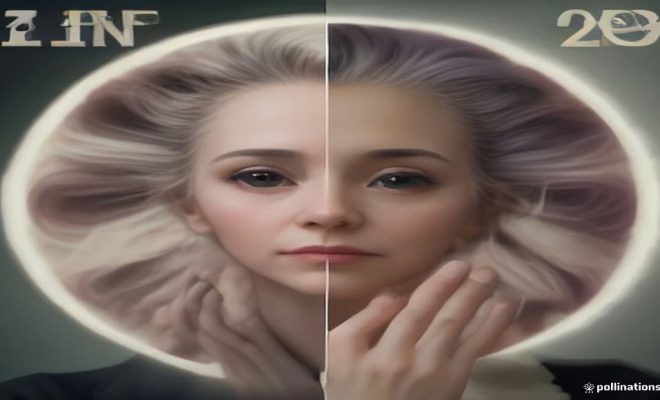
Imagine turning back the clock, not just on your skin, but on your very cells. It sounds like something straight out of a science fiction novel, right? Yet, a stunning scientific breakthrough, published on October 21, 2026, has just made this a startling reality, at least in a laboratory setting. Researchers managed to transform blood cells from an 80-year-old individual into neural stem cells that, astonishingly, had a molecular age of less than 20. Think about that for a second: they effectively reversed over six decades of cellular aging. This isn’t just a minor tweak; it’s a profound, counterintuitive finding that opens up entirely new avenues for understanding and potentially combating the aging process. As we look ahead, the implications for the best anti-aging treatments 2026 and beyond are nothing short of revolutionary.
This isn’t about some new cream or a trendy diet; it’s about getting to the fundamental mechanisms of why we age at a cellular level. For years, the idea of truly reversing aging seemed like a pipe dream, confined to the realm of fantasy. But this latest research, by demonstrating that cellular age is far more malleable than we once thought, has cracked open a Pandora’s Box of possibilities. What if we could apply these principles to other cells in the body? What if the fountain of youth isn’t a mythical spring, but a biological pathway we’re just beginning to understand? This discovery has ignited a fervor in the scientific community and, frankly, among anyone who’s ever looked in the mirror and wished for a few less lines or a bit more energy. It’s a game-changer, plain and simple, and it’s poised to redefine what we consider the cutting edge of anti-aging.
1. Cellular Reprogramming Therapies: The Dawn of True Rejuvenation
The most direct application of this groundbreaking research points towards advanced cellular reprogramming therapies. If scientists can take an 80-year-old’s blood cell and make it biologically younger than a 20-year-old’s, what’s stopping them from applying similar techniques to other, more critical cells in the body? We’re talking about cells in the skin, organs, and even the brain. The core idea here is to manipulate cellular identity and age through specific molecular interventions, essentially hitting a reset button on senescent (aging) cells.
Imagine a future where a targeted treatment could rejuvenate your liver, making it function as efficiently as it did decades ago, or restore the elasticity and youthful glow to your skin from the inside out. While still in early stages, the success with neural stem cells provides a robust proof of concept. Researchers are now scrambling to identify the precise molecular switches that facilitate this age reversal. Once these are understood, the development of therapeutic agents – perhaps even specific gene therapies or small molecule drugs – to induce similar effects in living organisms could become a reality. This isn’t just about looking younger; it’s about restoring the biological vigor that defines youth, making it one of the most promising best anti-aging treatments 2026 has on its horizon.
2. Senolytics and Senomorphics: Targeting Zombie Cells
Even before this latest breakthrough, a significant focus in anti-aging research has been on senescent cells, often dubbed ‘zombie cells.’ These are cells that have stopped dividing but refuse to die, instead lingering in tissues and spewing out inflammatory compounds that accelerate aging and disease. Senolytics are drugs designed to selectively kill these senescent cells, while senomorphics aim to modify their behavior, making them less harmful.
The new research on cellular reprogramming could supercharge the development of these therapies. If we can effectively reset the age of cells, it might even prevent them from becoming senescent in the first place, or perhaps revert them to a healthier, non-senescent state. Currently, several senolytic compounds like fisetin and quercetin are being investigated, with some showing promising results in animal studies. Imagine a future where periodic treatments could clear out these problematic cells, reducing inflammation and improving organ function, thereby extending both lifespan and ‘healthspan’ – the period of life spent in good health. This approach complements cellular reprogramming perfectly, tackling the symptoms of aging while the new research addresses its root cause.
3. CRISPR-Based Gene Editing for Longevity: Precision Anti-Aging
The ability to edit genes with precision, thanks to technologies like CRISPR, holds immense potential for anti-aging. While the recent cellular rejuvenation breakthrough focused on molecular age reversal, it undoubtedly involves the complex interplay of genetic expression. If we can identify the specific genes or epigenetic markers that are “reset” during the cellular reprogramming process, CRISPR could become a tool to directly target and modify these elements in living cells.
Consider the possibilities: correcting age-related genetic mutations, enhancing the repair mechanisms of DNA, or even modifying genes linked to longevity pathways. For instance, genes like Sirtuins, known for their role in cellular health and lifespan, could be upregulated. While the ethical implications and safety concerns of germline gene editing are significant and widely debated, somatic cell gene editing – modifying cells in specific tissues without affecting future generations – offers a more immediate and potentially safer path for anti-aging therapies. This level of precision could allow us to fine-tune cellular functions, making cells more resilient to the ravages of time and oxidative stress, placing gene editing high on the list of future best anti-aging treatments 2026 and beyond.
4. Epigenetic Remodeling Agents: Rewriting the Age Code
The concept of “molecular age” being less than 20 years old for cells from an 80-year-old points directly to epigenetics. Epigenetics refers to changes in gene expression that don’t involve alterations to the underlying DNA sequence, but rather how genes are read and interpreted. Think of it as the software that runs on your genetic hardware. As we age, our epigenome – the collection of chemical tags that sit on our DNA – can become disorganized, leading to altered gene activity and cellular dysfunction. (See: NIH researchers reverse aging in cells.)
The recent breakthrough strongly suggests that specific epigenetic marks were “erased” or “rewritten” during the reprogramming process. This opens up an exciting avenue for developing epigenetic remodeling agents. These could be small molecules or even lifestyle interventions that correct age-related epigenetic drift, restoring a youthful pattern of gene expression. We already see hints of this in compounds like NAD+ boosters, which influence sirtuins – key epigenetic regulators. But the new research suggests a far more comprehensive epigenetic reset might be possible, moving beyond mere modulation to a complete overhaul of the cellular software, offering a profound approach to the best anti-aging treatments 2026 could see. For more context, see AI healthcare innovations.
5. Mitochondrial Optimization Strategies: Powering Youth from Within
Mitochondria are often called the powerhouses of the cell, and their decline is a hallmark of aging. As we get older, mitochondrial function becomes less efficient, leading to reduced energy production, increased oxidative stress, and cellular damage. Many age-related diseases, from neurodegeneration to cardiovascular issues, are linked to mitochondrial dysfunction.
While the recent cellular reprogramming breakthrough didn’t explicitly focus on mitochondria, it’s highly likely that the rejuvenated cells also exhibited improved mitochondrial health and function. A youthful cell is, by definition, an energetic and efficient one. Future anti-aging treatments will undoubtedly incorporate strategies to optimize mitochondrial health. This could involve novel compounds that enhance mitochondrial biogenesis (the creation of new mitochondria), improve mitochondrial dynamics (fusion and fission), or protect mitochondria from damage. Think of it as giving your cells a brand-new, high-performance engine. Compounds like Urolithin A, which promotes mitophagy (the clearing out of old, damaged mitochondria), are already gaining traction. The next generation of these treatments will be even more targeted and effective, ensuring cells have the optimal energy to perform their youthful functions.
6. Advanced Stem Cell Therapies: Regenerating Tissues and Organs
The fact that 80-year-old blood cells were turned into neural stem cells with a molecular age of less than 20 is a huge leap for stem cell research. Stem cells are the body’s raw materials; they’re undifferentiated cells that can develop into many different cell types. The challenge with adult stem cells, however, is that they too accumulate age-related damage and their regenerative capacity diminishes over time.
This new finding suggests that we might be able to create truly youthful and robust patient-specific stem cells from an individual, regardless of their chronological age. These rejuvenated stem cells could then be used for regenerative medicine purposes, replacing damaged tissues and organs with fresh, biologically young ones. Imagine treating heart failure by injecting rejuvenated cardiac stem cells, or repairing neurological damage with newly minted, youthful neural stem cells. The potential is enormous, moving beyond simply slowing down aging to actively repairing its damage. This level of regenerative power would undoubtedly make these among the best anti-aging treatments 2026 and beyond could offer, transforming organ transplantation and repair.
7. Targeted Nutrient Delivery Systems: Precision Nourishment for Cells
While often overlooked in the excitement of genetic and cellular manipulation, the role of nutrition and targeted delivery systems cannot be understated. Our cells need the right building blocks and signals to function optimally and, crucially, to respond to sophisticated rejuvenation therapies. The success of cellular reprogramming likely relies on a carefully controlled molecular environment.
Future anti-aging treatments will likely involve highly specific nutrient delivery systems that can get the right molecules, in the right concentrations, to the right cells, at the right time. This goes beyond traditional supplements. We’re talking about nanoparticles carrying specific epigenetic modulators, or liposomal formulations protecting delicate compounds like NAD+ precursors or growth factors until they reach their cellular targets. The goal is to create an internal environment that supports and amplifies the effects of cellular rejuvenation, ensuring that the ‘reset’ cells have everything they need to maintain their youthful state. This precision nutrition will be a vital adjunct to more advanced therapies, ensuring their long-term efficacy and contributing to the best anti-aging treatments 2026 can deliver.
8. AI-Driven Drug Discovery and Personalization: Tailoring the Fountain of Youth
The complexity of cellular aging and the myriad pathways involved mean that traditional drug discovery methods are often too slow and inefficient. This is where Artificial Intelligence (AI) and machine learning come into play. AI can analyze vast datasets of genetic, epigenetic, and proteomic information, identifying novel targets and potential therapeutic compounds far more rapidly than human researchers alone.
For the recent cellular rejuvenation breakthrough, AI could be instrumental in dissecting the precise molecular cascade that led to the age reversal. This understanding would then fuel the development of highly specific and effective drugs. Furthermore, AI will be crucial for personalizing anti-aging treatments. Imagine undergoing a comprehensive biological assessment that, combined with AI analysis, generates a bespoke anti-aging regimen tailored to your unique genetic makeup, lifestyle, and cellular aging profile. This level of personalization moves us away from one-size-fits-all solutions towards truly precision medicine, making the best anti-aging treatments 2026 available far more effective for each individual. (See: Scientific article on cellular aging.)
9. Holistic Lifestyle Interventions Reimagined: Supporting Your Inner Youth
While the focus is rightly on cutting-edge scientific breakthroughs, it’s crucial not to forget the foundational role of lifestyle. Even with the most advanced cellular rejuvenation therapies, a healthy lifestyle will always be paramount in supporting and extending their benefits. The difference now is that our understanding of what constitutes a ‘healthy lifestyle’ will become far more scientifically informed, drawing directly from insights gleaned from cellular biology.
We’ll move beyond generic advice to highly specific, biologically optimized recommendations. For instance, knowing which cellular pathways are rejuvenated might lead to personalized exercise prescriptions that enhance those specific pathways, or dietary plans designed to provide the precise micronutrients needed to maintain epigenetic integrity. The interaction between our lifestyle choices and our cellular health will be understood at an unprecedented level. So, while you might eventually get a treatment that resets your cellular clock, maintaining that youthful state will still involve strategic nutrition, targeted exercise, stress management, and optimal sleep – all tailored to support your newly rejuvenated biology. This holistic approach, informed by the latest science, will be an indispensable part of the best anti-aging treatments 2026 and beyond. For more context, see breakthroughs in medical treatment.
10. The Role of the Microbiome in Anti-Aging: A New Frontier
While often considered separate from cellular aging, the human microbiome—the trillions of microorganisms living in and on us—is increasingly recognized as a key player in health and longevity. A balanced and diverse microbiome is linked to reduced inflammation, improved metabolic health, and even enhanced immune function, all factors that directly impact the aging process. The recent cellular breakthrough, by demonstrating such profound cellular malleability, highlights the opportunity to explore how external factors, like our gut bacteria, might influence these internal cellular mechanisms.
Future anti-aging treatments will likely include microbiome-centric strategies. This could mean highly personalized probiotic and prebiotic interventions, or even fecal microbiota transplantation (FMT) to restore a youthful microbial profile. Imagine a future where a specific blend of beneficial bacteria could produce compounds that positively influence epigenetic marks, or reduce the burden of senescent cells. The interaction between our gut and our cellular health is complex, but as our understanding grows, manipulating the microbiome could become a powerful, non-invasive way to support cellular rejuvenation and contribute to overall healthspan. This integration of internal biological processes with external microbial influences represents an exciting new frontier for the best anti-aging treatments 2026 has to offer.
11. Regenerative Aesthetics: Beyond Surface-Level Beauty
The desire to look younger is a significant driver for many seeking anti-aging solutions. With the advent of cellular reprogramming and advanced stem cell therapies, the field of aesthetic medicine is poised for a revolution. We’re moving beyond temporary fixes like fillers and Botox, towards truly regenerative aesthetic treatments.
Imagine a cosmetic procedure that doesn’t just fill wrinkles but encourages your skin cells to produce more collagen and elastin as they did when you were younger. This could involve injecting patient-specific, biologically rejuvenated stem cells directly into the skin, or applying topical formulations containing epigenetic remodeling agents that restore youthful gene expression in dermal fibroblasts. The goal isn’t just to make you look younger, but to make your skin behave younger, at a cellular level. This means improved elasticity, reduced pigmentation, and a natural radiance that comes from within. Such regenerative aesthetic treatments would offer results far more profound and long-lasting than anything currently available, becoming a cornerstone of the best anti-aging treatments 2026 and future years will embrace.
12. Ethical Considerations and Accessibility: Navigating the Future of Longevity
As these incredibly powerful anti-aging technologies approach clinical reality, critical ethical and accessibility questions must be addressed. If we can truly reverse aging, who gets access to these treatments? Will they be prohibitively expensive, creating an even wider chasm between the privileged and the rest of society? The potential for enhanced longevity and healthspan is immense, but so are the societal implications.
Discussions around equitable access, responsible development, and the long-term impact on population demographics are already underway and will intensify. Regulatory bodies will need to adapt rapidly to oversee these novel therapies, ensuring safety and efficacy without stifling innovation. It’s not just about the science; it’s about building a framework that allows humanity to benefit from these breakthroughs in a fair and responsible way. The best anti-aging treatments 2026 will not only be scientifically advanced but also ethically considered, striving to make a longer, healthier life a possibility for as many people as possible. (See: New York Times coverage of aging research.)
Frequently Asked Questions About the Best Anti-Aging Treatments 2026
Q1: How soon will these cellular reprogramming treatments be available to the public?
While the recent breakthrough is incredibly exciting, it’s important to remember that it occurred in a laboratory setting with isolated cells. Translating this to human therapies involves rigorous testing, clinical trials, and regulatory approvals. This process typically takes many years, often a decade or more. So, while 2026 will see continued rapid advancements and perhaps early-stage human trials for some components, widespread public availability of full-scale cellular reprogramming is likely further off, perhaps closer to the 2030s or beyond.
Q2: Are these treatments only about extending life, or also improving quality of life?
The primary goal of these advanced anti-aging treatments is to extend “healthspan” – the period of life spent in good health and free from chronic diseases. While lifespan extension is a natural consequence of delaying or reversing cellular aging, the focus is on improving the quality of those extra years. Imagine living to 100 or 120 with the vitality, cognitive function, and physical capabilities of a much younger person. That’s the ultimate aim.
Q3: Will anti-aging treatments replace healthy lifestyle choices?
Absolutely not. Even with the most advanced scientific interventions, a healthy lifestyle will remain crucial. Think of it this way: cellular reprogramming might reset your biological clock, but poor diet, lack of exercise, chronic stress, and inadequate sleep will still damage your cells and accelerate aging. Lifestyle choices will act as crucial support systems, helping to maintain the youthful state achieved through these treatments and maximizing their long-term benefits. The future will involve a personalized blend of cutting-edge therapies and optimized lifestyle interventions.
Q4: What are the potential risks or side effects of these new treatments?
Since many of these treatments are still in early research phases, the full spectrum of risks and side effects isn’t yet known. For cellular reprogramming, a primary concern is controlling the differentiation process to ensure rejuvenated cells don’t become cancerous or behave unpredictably. Gene editing carries risks of off-target edits. Senolytics need to be precisely targeted to avoid harming healthy cells. These are all active areas of research, with scientists working diligently to ensure future treatments are both effective and safe.
Q5: How expensive will these anti-aging treatments be?
Initially, any truly revolutionary anti-aging treatment will likely be very expensive, similar to other groundbreaking medical innovations when they first emerge. As technology advances, production scales up, and competition increases, costs tend to decrease over time. However, ensuring equitable access and affordability will be a significant societal challenge that policymakers and healthcare systems will need to address as these technologies mature.
The scientific community is buzzing with excitement over this recent cellular rejuvenation breakthrough. Reversing six decades of cellular aging in the lab is no small feat; it’s a testament to how much we’re still learning about the incredible plasticity of our biology. While we’re still some years away from seeing these exact treatments in your local clinic, the trajectory is clear. The future of anti-aging isn’t just about looking younger, but about truly restoring the biological vitality of our youth. The best anti-aging treatments 2026 will undoubtedly lay the groundwork for a future where aging is not an inevitable decline, but a challenge we can actively confront and, perhaps, even overcome.
Trending Now
- this guide on this new novo nordisk obesity drug is showing 25% weight loss – but there’s a catch
- this guide on baffling: the $25 billion meta privacy ruling that could reshape tech accountability
- The Billion-Dollar AI Drug Discovery Problem Nobody’s Talking About
- our breakdown of the troubling truth about your digital games ownership
- our breakdown of brandon stirrup’s ai stance: why this xbox strategist deletes account and what it means
Frequently Asked Questions
Can scientists really reverse aging in humans?
Yes, recent research has shown that scientists can reverse aging at a cellular level. A breakthrough study revealed that blood cells from an 80-year-old were transformed into neural stem cells with a molecular age of less than 20, effectively reversing over 60 years of cellular aging.
What are the implications of reversing aging?
The implications are vast, potentially leading to revolutionary anti-aging treatments that go beyond cosmetics. This research suggests that aging is more malleable than previously thought, opening avenues for therapies that could rejuvenate various cells in the body and improve overall health.
What is cellular reprogramming therapy?
Cellular reprogramming therapy is a technique that alters the age of cells, effectively rejuvenating them. This research indicates that it may be possible to apply these methods to various cell types, potentially leading to significant advancements in anti-aging treatments.
How does this research impact anti-aging treatments?
This groundbreaking research could redefine anti-aging treatments by focusing on cellular mechanisms rather than superficial solutions. It suggests that future therapies may target the fundamental processes of aging, offering more effective ways to combat age-related decline.
What does the future hold for aging research?
The future of aging research looks promising, with potential breakthroughs in understanding and manipulating the biological pathways of aging. This could lead to innovative therapies that not only slow down aging but may also reverse its effects at a cellular level.
Agree or disagree? Drop a comment and tell us what you think.