New Depression Subtype Identified: Why Your Body Clock Might Be to Blame
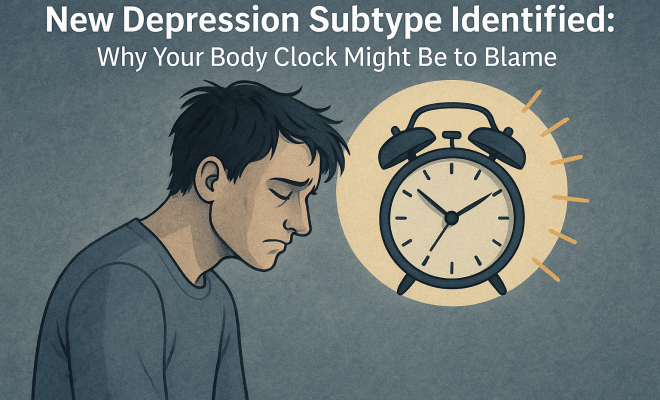
Imagine feeling perpetually out of sync, as if your internal rhythm is constantly clashing with the world around you. For millions, this isn’t just a fleeting feeling; it’s a profound, debilitating reality. We’ve long understood depression as a complex beast, but a groundbreaking discovery by Australian researchers is forcing us to rethink its very nature. Published on October 20, 2026, this pivotal study reveals a new subtype of depression, dubbed ‘circadian depression,’ directly linked to significant disruptions in our body’s internal clock. This isn’t just academic chatter; it’s a potential game-changer, especially since this particular form of depression appears stubbornly resistant to many traditional antidepressant treatments. If you’ve ever felt like your struggle with low mood was uniquely tied to the seasons, or if sleep issues felt like the root of your despair, this new understanding of depression body clock disruption might just illuminate your experience.
The implications are massive. For a quarter of the over 11,000 Australians who participated in this extensive study, their depressive symptoms weren’t just random; they followed a distinct pattern of seasonal illness, chronic delayed sleep, and what researchers are calling ‘social jetlag.’ This isn’t some niche phenomenon; it’s a widespread issue affecting a significant portion of those battling mental health challenges. This discovery doesn’t just add a new label; it opens up entirely new avenues for treatment, moving beyond the conventional pharmacological approaches to target the very rhythms that govern our lives. Think melatonin, think light therapy – these aren’t just wellness fads anymore; they might be crucial tools in our arsenal against this newly identified foe.
The Unveiling of Circadian Depression: A New Frontier
For decades, the medical community has categorized depression broadly, often relying on symptom clusters to guide diagnosis and treatment. While useful, this broad approach has left many individuals feeling misunderstood, their unique experiences not quite fitting neatly into existing boxes. The identification of circadian depression represents a significant leap forward, offering a more nuanced understanding of how diverse biological factors can contribute to mental illness. It’s a powerful reminder that the human body is an intricate system, and when one fundamental component – our internal clock – goes awry, the ripple effects can be profound.
What makes this subtype so distinct? It’s the direct, measurable link to the body’s circadian rhythms. These 24-hour cycles regulate everything from our sleep-wake patterns and hormone release to body temperature and metabolism. When these rhythms are thrown off course, whether by genetics, lifestyle, or environmental factors, the consequences extend far beyond just feeling tired. The Australian research team, through their monumental study, meticulously observed how these disruptions manifest in a specific constellation of depressive symptoms, setting this subtype apart from others.
Understanding the Body’s Internal Clock: Your Circadian Rhythms
At the core of this discovery is the circadian rhythm, often metaphorically referred to as our ‘body clock.’ This isn’t just some abstract concept; it’s a sophisticated biological timer, primarily governed by a small region in the brain called the suprachiasmatic nucleus (SCN). The SCN receives direct input from our eyes, making light exposure the most powerful external cue – or ‘zeitgeber’ – that synchronizes our internal clock with the external world’s day-night cycle. Think about it: a bright morning light tells your body it’s time to wake up, suppress melatonin production, and gear up for activity. As evening approaches and light diminishes, melatonin levels rise, signaling that it’s time to wind down and prepare for sleep.
But the circadian system is far more than just a sleep-wake regulator. It orchestrates a symphony of physiological processes that ebb and flow over a 24-hour period. Our hormone levels, digestive efficiency, immune responses, and even cognitive performance all follow these inherent rhythms. When these rhythms are disrupted – perhaps by shift work, inconsistent sleep schedules, or even excessive artificial light exposure at night – the delicate balance is disturbed. For individuals prone to circadian depression, this disruption appears to be a major contributing factor, pushing them into a cycle of low mood that traditional treatments often miss because they aren’t addressing this fundamental timing issue.
The Defining Characteristics of Circadian Depression
The Australian study didn’t just point to a general link; it pinpointed specific characteristics that define this new subtype. If you’re wondering if this might resonate with your own experience, consider these key indicators:
- Seasonal Illness Patterns: This is perhaps one of the most recognizable traits. Many individuals experience a cyclical worsening of their mood during specific times of the year, often in autumn and winter when daylight hours are shorter. While Seasonal Affective Disorder (SAD) is a recognized condition, circadian depression suggests a broader, more fundamental disruption of the body clock that SAD is just one manifestation of. It’s not just the sadness; it’s the regularity of its return that signals this pattern.
- Delayed Sleep Phase: People with circadian depression often struggle with a pervasive inability to fall asleep at conventional times and, consequently, have difficulty waking up in the morning. This isn’t just occasional insomnia; it’s a chronic pattern where their natural sleep-wake cycle is shifted later than societal norms dictate. They might feel most alert and productive late at night, struggling to function during typical daytime hours.
- Social Jetlag: This term perfectly encapsulates the feeling of being out of sync with society. It describes the discrepancy between a person’s biological clock (when their body naturally wants to sleep and wake) and their social clock (when they need to sleep and wake due to work, school, or social commitments). The study found that individuals with circadian depression frequently experience this internal conflict, constantly fighting their own biology to meet external demands. It’s like living with perpetual jetlag, but without ever leaving home.
These aren’t just isolated symptoms; they form a cohesive picture that strongly suggests a fundamental problem with the body’s internal timing mechanisms. Understanding these specific hallmarks is crucial for accurate diagnosis and, more importantly, for tailoring effective treatments.
Why Traditional Antidepressants Fall Short for Circadian Depression
One of the most compelling and, frankly, sobering findings of the research is that this newly identified subtype of depression appears less responsive to conventional antidepressant treatments. This is a critical piece of information for both clinicians and patients who have experienced the frustration of trying multiple medications with little to no success. If you’ve been on this journey, this insight might offer a profound sense of validation.
Why the resistance? Traditional antidepressants, particularly Selective Serotonin Reuptake Inhibitors (SSRIs), primarily target neurotransmitter systems in the brain, aiming to rebalance chemicals like serotonin. While incredibly effective for many forms of depression, their mechanism of action doesn’t directly address the underlying circadian rhythm dysfunction that characterizes this new subtype. It’s akin to trying to fix a faulty engine timing belt by adjusting the fuel mixture; you might see some minor improvements, but you’re not addressing the core mechanical issue. For those with significant depression body clock disruption, a different approach is clearly needed. (See: Circadian rhythms and depression.)
The Promise of Targeted Therapies: Light, Melatonin, and Beyond
The good news is that identifying the root cause opens the door to highly targeted interventions. Instead of broadly adjusting brain chemistry, treatments for circadian depression can focus directly on resynchronizing the body’s internal clock. This is where therapies like melatonin and light therapy truly shine. For more context, see AI healthcare startup revolutionizing patient care.
Light Therapy: Resynchronizing Your Day
Light is the most potent zeitgeber for our circadian system. Bright light exposure, particularly in the morning, signals to the SCN that it’s daytime, helping to suppress melatonin production and promote alertness. For individuals with delayed sleep phase, strategically timed bright light therapy can help shift their internal clock earlier, making it easier to fall asleep at night and wake up in the morning. This isn’t just about feeling brighter; it’s about physically moving the internal timing of their body to align with the external world. Specialized light therapy lamps, emitting specific wavelengths and intensities, are designed for this very purpose, and their efficacy in managing seasonal mood changes is well-documented.
Melatonin: Guiding Your Night
Melatonin, often called the ‘sleep hormone,’ is naturally produced by the pineal gland in response to darkness. Its role is to signal to the body that it’s nighttime and time to prepare for rest. For those with circadian rhythm disruptions, particularly delayed sleep, carefully timed melatonin supplementation can be incredibly beneficial. It doesn’t necessarily ‘force’ sleep, but rather acts as a strong time cue, helping to signal to the body that it’s time to initiate the sleep process and, over time, can help shift the internal clock to an earlier schedule. The timing of melatonin administration is crucial, however; taking it too early or too late can actually worsen circadian misalignment, so professional guidance is always recommended.
Beyond Light and Melatonin: A Holistic Approach
While light and melatonin are powerful tools, addressing circadian depression often requires a broader, more holistic approach. This might include:
- Strict Sleep Hygiene: Establishing a consistent sleep schedule, even on weekends, is paramount. This means going to bed and waking up at roughly the same time every day.
- Environmental Adjustments: Minimizing exposure to blue light from screens in the hours before bed, creating a dark and cool sleep environment, and ensuring adequate natural light exposure during the day.
- Behavioral Therapies: Cognitive Behavioral Therapy for Insomnia (CBT-I) can be particularly effective in addressing the behavioral and cognitive components of chronic sleep problems and associated mood issues.
- Regular Exercise: Physical activity, especially earlier in the day, can help reinforce healthy circadian rhythms and improve sleep quality.
The beauty of these approaches is their focus on restoring natural physiological balance, rather than solely masking symptoms. This offers a different kind of hope for those who have found traditional treatments insufficient.
The Broad Impact: Why This Matters to Millions
The scale of this discovery cannot be overstated. With nearly a quarter of the study participants exhibiting characteristics of circadian depression, we’re talking about millions of people globally. This isn’t a rare condition; it’s a prevalent one, often hidden in plain sight, misdiagnosed, or inadequately treated under the umbrella of general depression. Think of the individuals who’ve been told their depression is ‘treatment-resistant’ or who’ve cycled through various medications without lasting relief. This new understanding offers them not just a name for their suffering, but a genuine path forward.
Furthermore, the emotional resonance of this discovery is immense. For many, depression feels like an abstract internal battle. To learn that a tangible, biological mechanism – your own body clock – might be a significant driver of your symptoms can be incredibly validating. It shifts the narrative from personal failing to a physiological imbalance that can be understood and, crucially, addressed. This validation alone can be a powerful step in recovery, empowering individuals to advocate for more targeted care.
Implications for Diagnosis and Clinical Practice
This research is poised to significantly impact how mental health professionals diagnose and treat depression. It suggests a need for a more thorough assessment of circadian rhythm function in individuals presenting with depressive symptoms. Clinicians may start incorporating questions about sleep patterns, seasonal mood fluctuations, and consistency of daily routines into their diagnostic interviews.
We might also see the development of more sophisticated diagnostic tools. Imagine a future where wearable tech or specialized questionnaires could help identify circadian rhythm disruptions with greater precision, allowing for earlier and more accurate identification of this subtype. This could lead to a paradigm shift, where initial treatment for a significant portion of depressed individuals might involve chronotherapy (therapies that adjust circadian rhythms) alongside or even prior to traditional pharmacotherapy.
The Future of Depression Research: A New Horizon
The identification of circadian depression is just the beginning. This discovery opens up a vast new landscape for future research. Scientists will undoubtedly delve deeper into the genetic and environmental factors that predispose individuals to this subtype. What are the specific molecular pathways linking circadian disruption to mood regulation? Are there unique biomarkers that can predict who will respond best to light therapy versus melatonin, or a combination of both? (See: Mental health and circadian rhythms.)
Moreover, this research encourages us to consider the broader impact of modern life on our circadian health. Our 24/7 society, with its constant artificial light, irregular work schedules, and pervasive screen use, is inherently disruptive to our natural rhythms. This study underscores the urgent need to understand how these societal factors contribute to mental health epidemics and to explore public health interventions that promote better circadian hygiene for everyone. The more we understand the intricate dance between our internal clocks and our mental well-being, the better equipped we’ll be to tackle the pervasive challenge of depression.
Beyond the Science: Hope for the Individual
For someone struggling with depression, especially if traditional treatments have proven ineffective, this news offers a profound sense of hope. It’s a message that says, ‘Your experience is real, it’s understood, and there might be a new way forward.’ If you’ve felt that your sleep problems, your seasonal dips, or your general feeling of being out of sync were somehow separate from your depression, this research suggests they are intimately connected, perhaps even causal. This understanding can empower you to explore new treatment avenues, to advocate for a different approach with your healthcare provider, and to take proactive steps to regulate your own body clock. For more context, see breakthrough in cancer treatment.
This groundbreaking Australian research, published in late 2026, isn’t just an academic achievement; it’s a beacon. It illuminates a previously shadowed corner of depression, offering not just an explanation but also tangible, non-pharmacological interventions that could transform countless lives. By understanding the profound connection between depression body clock disruption and mental health, we’re stepping into an era where treatment is more personalized, more effective, and ultimately, more hopeful.
The Role of Genetics and Lifestyle: Nature Meets Nurture
While the Australian study highlighted the clear link between circadian disruption and a specific subtype of depression, it’s important to remember that our circadian rhythms aren’t solely determined by external factors. Genetics play a significant role. Some people are born with a natural predisposition for a later chronotype, meaning their internal clock is inherently set for later sleep and wake times. This isn’t a choice; it’s their biology. When these individuals live in a society that demands early starts, the clash between their innate rhythm and external demands can create chronic social jetlag, making them particularly vulnerable to circadian depression.
Furthermore, lifestyle choices compound these genetic predispositions. Irregular meal times, lack of consistent daytime light exposure, too much artificial light at night (especially blue light from screens), and sedentary habits can all further destabilize an already vulnerable circadian system. Understanding this interplay of nature (genetics) and nurture (lifestyle) is key to both prevention and treatment. It means that for some, managing circadian depression might involve not just external therapies like light and melatonin, but also a deeper commitment to aligning daily habits with their unique biological timing, or where possible, adjusting their social clock to better match their internal one.
The Economic and Societal Burden of Circadian Depression
Beyond the individual suffering, the widespread nature of circadian depression carries significant economic and societal costs. Depression, in general, is a leading cause of disability worldwide, resulting in billions of dollars in lost productivity, healthcare expenditures, and societal support. If a quarter of depressed individuals are struggling with a form of the illness that is resistant to standard treatments, the economic impact of their prolonged illness and ineffective treatment cycles is immense.
Consider the impact of chronic social jetlag on the workforce. Individuals who are constantly fighting their body clock are likely to experience reduced cognitive function, poorer decision-making, increased rates of accidents, and higher absenteeism. For shift workers, who are inherently forced into circadian misalignment, the risks of depression, along with other health issues, are even higher. Recognizing circadian depression as a distinct entity provides a strong argument for workplace interventions, public health campaigns, and urban planning that better considers human circadian biology. Simple adjustments, like flexible work hours or better lighting in workplaces, could have profound positive ripple effects on national productivity and public health.
Expert Perspectives and Consensus
The findings from the Australian study have resonated deeply within the chronobiology and psychiatry communities. Leading experts in the field have quickly acknowledged the significance, recognizing that it validates years of smaller-scale research hinting at the connection between circadian rhythms and mood disorders. Dr. Anna Wirz-Justice, a pioneer in chronotherapy, has long advocated for the importance of light and sleep timing in mental health, and this study provides robust evidence supporting those earlier hypotheses. The consensus building around this discovery suggests a tipping point: the field is moving towards a more integrated understanding of mental health, where the brain is seen not just as a chemical soup but as part of a larger, rhythmically organized biological system.
This isn’t just about adding a new diagnosis; it’s about a fundamental shift in perspective. Instead of solely focusing on neurotransmitter imbalances, clinicians are now encouraged to consider the ‘when’ of biological processes – when hormones are released, when sleep occurs, when light is received. This holistic view promises a more personalized and effective approach to mental healthcare, moving away from a one-size-fits-all model towards treatments tailored to an individual’s unique biological clock.
Frequently Asked Questions About Depression Body Clock Disruption
What exactly is “depression body clock disruption”?
It refers to a specific subtype of depression, now termed ‘circadian depression,’ where depressive symptoms are directly linked to a misalignment or dysfunction in the body’s natural 24-hour internal clock (circadian rhythms). This disruption affects sleep-wake cycles, hormone release, and other biological processes, contributing significantly to mood disturbances.
How is circadian depression different from other types of depression?
Unlike general depression, circadian depression is characterized by a specific set of symptoms: seasonal patterns of mood worsening, chronic delayed sleep phase (difficulty falling asleep and waking up at conventional times), and “social jetlag” (a mismatch between one’s biological clock and social demands). Crucially, it often doesn’t respond well to traditional antidepressant medications that target neurotransmitters alone.
Can traditional antidepressants make circadian depression worse?
While traditional antidepressants aren’t designed to address circadian rhythm disruption, they typically don’t make it worse. However, they may be ineffective, leading to prolonged suffering and the frustration of “treatment-resistant” depression. The key is that they aren’t targeting the root cause in these cases.
What are the main treatments for depression body clock disruption?
Targeted chronotherapies are key. These include bright light therapy (especially in the morning to shift the clock earlier), carefully timed melatonin supplementation (to signal evening and promote sleep onset), and robust sleep hygiene practices. Cognitive Behavioral Therapy for Insomnia (CBT-I) and consistent daily routines also play a crucial role.
How can I tell if my depression is linked to my body clock?
If you experience persistent seasonal mood changes, struggle chronically with falling asleep at “normal” times and waking up in the morning, or feel like you’re constantly fighting your natural sleep-wake schedule (social jetlag), your depression might have a significant circadian component. Discuss these patterns with your doctor or a mental health professional.
Is circadian depression a new phenomenon, or have people always experienced it?
The phenomenon of mood issues linked to sleep and seasons isn’t new; conditions like Seasonal Affective Disorder (SAD) have been recognized. However, the Australian study represents a groundbreaking identification of ‘circadian depression’ as a distinct subtype, providing a more precise biological explanation and opening doors for targeted treatments that acknowledge the profound role of the body clock.
Can lifestyle changes alone fix depression body clock disruption?
While lifestyle changes are incredibly important and form the foundation of managing circadian disruption, for many, they may not be enough on their own. Therapeutic interventions like timed bright light therapy or melatonin, guided by a professional, often provide the necessary “push” to reset and stabilize the body clock, especially in cases with strong genetic predispositions or significant misalignment.
Trending Now
Frequently Asked Questions
What is circadian depression?
Circadian depression is a newly identified subtype of depression linked to disruptions in the body's internal clock. This condition manifests through patterns of seasonal illness, chronic delayed sleep, and social jetlag, affecting individuals' mood and overall mental health.
How does the body clock affect depression?
The body's internal clock regulates various physiological processes, including sleep and mood. Disruptions to this rhythm can lead to symptoms of depression, particularly in those who experience seasonal changes or sleep issues, as highlighted by recent Australian research.
What treatments are effective for circadian depression?
Traditional antidepressants may not be effective for circadian depression. Instead, treatments focusing on restoring body rhythms, such as melatonin supplementation and light therapy, are being explored as potential solutions for those affected by this subtype.
Who is affected by circadian depression?
Circadian depression affects millions of people, with research indicating that about a quarter of participants in a recent study experienced this condition. It often presents in those with chronic sleep disruptions and seasonal mood changes.
How can I tell if my depression is related to my sleep patterns?
If you experience persistent low mood that correlates with sleep issues, such as difficulty falling asleep or waking up at irregular times, it may indicate a link to circadian depression. Observing patterns in your mood related to sleep can help identify this connection.
What's your take on this? Share your thoughts in the comments below — we read every one.