Master 2D Game Development: Create Your Own Hit Game
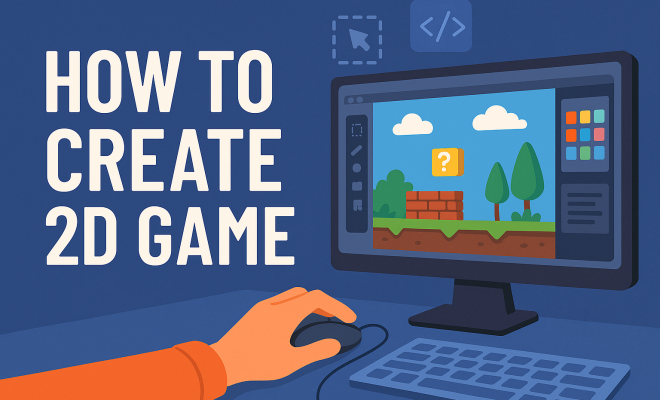
“`html
1. The Fascination with 2D Games
2D games have captured the hearts of gamers and developers alike for decades. From classic titles like Super Mario Bros. to modern indie hits like Celeste, these games offer a unique blend of nostalgia and innovation. They’re approachable for new developers, allowing creative expression while providing a straightforward platform to learn the ropes of game design. But why the ongoing fascination? Perhaps, it’s the simplicity of mechanics paired with the depth of storytelling that keeps players engaged.
Creating a 2D game is not just about combining graphics and sound; it’s about crafting an experience. You’ll find that these games can be both incredibly simple and surprisingly complex, depending on the mechanics and narrative you choose to implement. Understanding this balance is crucial for a successful game. Whether you’re driven by a passion for storytelling or a desire to challenge players with strategic gameplay, you can create a 2D game that leaves a lasting impression.
2. Choosing Your Game Development Tools
Before you can create a 2D game, you need to select the right tools for the job. There are numerous game engines available, each with its strengths and unique capabilities. Some of the most popular choices include Unity, GameMaker Studio, and Godot.
Unity is renowned for its versatility and extensive library of assets, making it suitable for both beginners and seasoned developers. GameMaker Studio, on the other hand, offers a user-friendly drag and drop interface, which is ideal for newcomers. If you’re looking for an open-source option, Godot is a fantastic choice, providing a wide range of features while remaining lightweight. Exploring these tools is the first step in your game development journey.
Additionally, you might also want to consider tools like Construct 3, which is browser-based and allows for quick prototyping without needing extensive programming knowledge. Each tool has its community and resources, so engaging with these can enhance your understanding and skill set.
3. Conceptualizing Your Game
Once you’ve selected your tools, it’s time to brainstorm your game concept. Start by defining the core mechanics: what will players do in your game? This could range from platforming and puzzle-solving to combat and exploration. Think about what makes your game unique. How does it differ from existing titles? Consider the gameplay, art style, and narrative elements.
Creating a game design document can help solidify your concept. This document should outline your game’s mechanics, character designs, story arcs, and any visual inspirations. The more detailed your design document, the clearer your vision will be as you begin development. This step not only organizes your thoughts but also serves as a roadmap for your project.
Don’t forget to think about the game’s target audience at this stage. Understanding who you want to play your game can influence design choices, including difficulty levels, art styles, and marketing strategies. Perhaps even create personas that represent your ideal players.
4. Building Your Game World
Now that you have a solid concept, it’s time to start building your game world. This involves designing levels, creating assets, and programming interactions. In a 2D game, you’ll typically work with sprites, which are 2D images or animations. Designing engaging levels is crucial; they should challenge players while remaining enjoyable.
Utilizing tile maps can streamline the level design process. Tiles are smaller images that can be combined to create more extensive environments. By using tile maps, you can quickly build complex levels while maintaining a consistent aesthetic. Additionally, consider integrating variety into your gameplay elements, such as obstacles or enemy encounters, to keep players engaged.
As you design your levels, think about pacing and player progression. Gradually increasing difficulty can maintain player interest, while also providing a sense of achievement. Incorporating checkpoints and rewards can further enhance player satisfaction.
5. Programming Your Game Mechanics
Programming is where your game starts to come to life. Depending on your chosen engine, you’ll utilize different programming languages—often C# for Unity or GML for GameMaker Studio. If you’re new to programming, don’t be intimidated; there are countless resources available to help you learn the basics. (See: Video game development overview.)
Start with simple mechanics like player movement and jumping. Gradually implement more complex features, such as AI behaviors or inventory systems. Testing your game frequently is critical. It helps you identify bugs and ensures that gameplay feels smooth. Getting feedback from friends or fellow developers can provide invaluable insights into how your mechanics are being received.
Consider using version control systems like Git to manage your code. This habit not only helps you keep track of changes but can also save you from losing progress if something goes wrong. Collaborating with others becomes easier too, as you can merge changes more seamlessly.
6. Creating Art and Sound
The visual and auditory elements of your game play a significant role in player immersion. Whether you’re an artist or not, there are tools and assets available to help you create or source the necessary art. Consider using programs like Aseprite for pixel art or Photoshop for more detailed graphics. Alternatively, you can find free or paid assets on websites like itch.io or the Unity Asset Store.
Sound design is equally important. Music and sound effects can enhance gameplay, creating emotional connections with players. Tools like Audacity can help you record and edit sound effects, while platforms like OpenGameArt provide free audio assets. Don’t underestimate the power of sound; it can make or break the atmosphere of your game.
When designing your game’s art style, think about how it complements the gameplay and narrative. A cohesive aesthetic can help immerse players in your game world. Experiment with colors, shapes, and character designs to find what resonates best with your concept.
7. Testing and Iteration
Testing is a crucial phase in your game development process. It’s not just about finding bugs; it’s about ensuring your game is enjoyable and engaging. Playtesting with others can reveal issues you may not notice while developing. Gather feedback and be prepared to make changes based on your testers’ experiences.
Iterate on your game by refining mechanics, adjusting difficulty levels, and polishing the art and sound. This process may feel tedious, but it’s essential for creating a polished final product. Each iteration brings you one step closer to a game that players will love. Remember, even successful games go through countless rounds of testing and adjustments.
Utilize structured feedback methods, such as surveys or focus groups, to gather insights from players. Keep an open mind about the feedback you receive; sometimes the most critical comments can lead to the most significant improvements.
8. Publishing Your Game
After thorough testing and iteration, you’re finally ready to publish your game! Decide which platforms you want to target—PC, mobile, or consoles. Each platform has its submission requirements and guidelines, so make sure you familiarize yourself with them.
Consider marketing your game ahead of its release. Build a website, engage on social media, and connect with gaming communities. Creating buzz before your launch can greatly influence your game’s success. Once your game is live, keep an eye on player feedback for potential updates and patches.
Don’t overlook the power of trailers and gameplay videos. These can be incredibly effective in generating interest and excitement. You might also consider reaching out to influencers or streamers who focus on indie games to showcase your creation.
9. The Future of 2D Gaming
The landscape of 2D gaming continues to evolve, with new technologies and trends shaping how games are developed and played. From the rise of indie developers to advancements in graphics and sound, the future looks bright for 2D games. As a developer, you have the opportunity to explore innovative ideas and bring them to life.
With the right tools and mindset, you can create a 2D game that resonates with players and stands the test of time. Embrace your creativity and don’t shy away from pushing boundaries. As you embark on this journey, remember that every great game starts with a single idea—and yours could be the next big hit! (See: CDC on media and youth engagement.)
Keep an eye on emerging trends like virtual reality and augmented reality. While predominantly 3D, these technologies could find unique expressions in 2D settings, offering fresh experiences for players.
10. Inspiration from Successful 2D Games
Looking at successful 2D games can provide significant inspiration and guidance for your own project. Consider games like Hollow Knight, which masterfully combines stunning art with tight gameplay mechanics. Or think about Stardew Valley, which showcases the power of passion projects, where a single developer created an entire world that resonates with players on multiple levels.
Analyzing these titles can help you understand what makes them successful. Is it their compelling stories? Unique art styles? Memorable characters? Taking notes on these aspects can inform your development process and guide you in creating a game that captures players’ attention.
Don’t be afraid to draw from various influences—whether it’s classic arcade games, modern indie titles, or even your favorite movies and books. Each of these can lend thematic or narrative ideas to your project.
11. Understanding Your Target Audience
Knowing your audience is crucial when you want to create a 2D game. Each genre attracts different demographics, from casual gamers to hardcore players. Conducting market research to understand trends and preferences can help tailor your game to meet audience expectations.
For instance, platformers might appeal more to a younger audience, while narrative-driven games might attract older players. Engage with communities on platforms like Reddit or Discord to gather insights. Consider creating surveys or polls to directly ask potential players what they seek in a 2D game experience.
Understanding player preferences can also guide marketing strategies. Knowing where your audience spends their time online can inform your advertising and outreach efforts, maximizing your game’s visibility.
12. The Role of Community in Game Development
Community plays a vital role in game development, especially for indie developers. Platforms like itch.io and Steam not only serve as distribution channels but also as vibrant communities where developers share feedback and ideas. Participating in game jams can also be an excellent way to connect with like-minded individuals and gain exposure. These events foster collaboration and often lead to innovative gameplay ideas.
Being active on social media and in forums can help you build a following even before your game launches. Engaging directly with potential players can generate excitement and provide essential input as you refine your game. Remember, the gaming community is powerful, and harnessing its feedback can elevate your project significantly.
Additionally, consider joining or forming local game developer meetups. These can provide support, accountability, and networking opportunities that are invaluable as you navigate the complexities of game development.
13. Frequently Asked Questions (FAQ)
What programming language should I learn to create a 2D game?
The most common languages for 2D game development are C# (for Unity) and GML (for GameMaker Studio). If you choose Godot, you’ll be using GDScript, which is similar to Python. It’s advisable to start with a language that aligns with your chosen game engine. (See: New York Times on gaming during COVID-19.)
How long does it take to create a 2D game?
The timeline varies widely depending on the game’s complexity and your experience level. A simple game can take a few months to complete, while a more intricate project could take a year or longer. Planning and setting realistic milestones can help manage your expectations.
Do I need to be an artist to create a 2D game?
Not necessarily! While having artistic skills can enhance your game, there are plenty of resources available, including free and paid assets that you can use. Programs like Aseprite and tools like Spriter can help you create graphics, and you can always collaborate with artists.
Can I create a 2D game alone?
Yes, many successful indie games are created by a single developer. However, it can be a demanding task, requiring a variety of skills, including programming, art, and sound design. If you can, consider collaborating with others to share the workload and enhance your project.
What are some common mistakes to avoid when creating a 2D game?
Common pitfalls include poor planning, neglecting testing, and not gathering feedback from players. It’s crucial to have a clear design document, regularly test your game, and be open to making changes based on player feedback. Remember, iteration is key to success!
How do I market my 2D game effectively?
Effective marketing involves a combination of social media engagement, community building, and strategic outreach. Create a content calendar to regularly share updates, behind-the-scenes looks at development, and engage directly with your audience. Consider reaching out to influencers and gaming press to get your game featured and reviewed.
What platforms should I consider for publishing my 2D game?
Platforms like Steam, itch.io, and the Epic Games Store are popular for indie games. Consider also mobile platforms like iOS and Android if your game suits touch controls. Each platform has its audience and benefits, so choose based on where your target players are likely to be.
14. Resources for Aspiring 2D Game Developers
If you’re serious about creating a 2D game, access to the right resources can make a significant difference. Here are a few valuable ones:
- Udemy – Offers affordable courses on game development, programming, and art.
- GameDev.net – A community site filled with articles, forums, and resources for game developers.
- YouTube – A wealth of tutorials on game development topics, from coding to animation.
- itch.io – Not just for publishing, it also features game jams and developer resources.
- Patreon – Some developers share insights and tutorials through subscription models, which can provide valuable content.
- Reddit – r/gamedev – A vibrant community where developers share tips, assets, and feedback.
As you embark on your journey to create a 2D game, don’t hesitate to reach out to these communities and utilize these resources for guidance and inspiration. The world of game development is vast, and there’s always something new to learn!
“`
Trending Now
Frequently Asked Questions
What are the best tools to create a 2D game?
The best tools for creating a 2D game include Unity, GameMaker Studio, and Godot. Unity is versatile with a vast asset library, GameMaker Studio offers a user-friendly drag-and-drop interface, and Godot is an open-source option that provides a range of features while being lightweight.
Why are 2D games still popular?
2D games remain popular due to their nostalgic appeal, simplicity of mechanics, and depth of storytelling. They offer an accessible platform for new developers and allow for creative expression, making them engaging for both players and creators.
How do I start making a 2D game?
To start making a 2D game, choose the right game development tools such as Unity, GameMaker Studio, or Godot. Familiarize yourself with the basics of game design, including mechanics and storytelling, to create an engaging gaming experience.
What is the easiest game engine for beginners?
GameMaker Studio is often considered the easiest game engine for beginners due to its intuitive drag-and-drop interface. It allows newcomers to quickly create games without extensive programming knowledge, making it a great starting point for aspiring developers.
What makes a 2D game successful?
A successful 2D game balances simple mechanics with compelling storytelling. It's essential to engage players through innovative gameplay and a well-crafted narrative, ensuring that the game leaves a lasting impression and resonates with its audience.
What’s your take on this? Share your thoughts in the comments below — we read every one.