Master Dog Bathing: Tips for a Happy, Clean Pup
“`html
Bathing your dog can seem like a daunting task, but it doesn’t have to be. With the right approach and a few essential dog bathing tips, you can turn this chore into a bonding experience with your furry friend. Whether your dog loves splashing around or prefers to avoid water, a proper bath is crucial for their health and hygiene. This guide will walk you through everything you need to know about bathing your dog, from preparation to drying techniques.
1. Understanding Your Dog’s Coat
Before you even think about lathering up your dog, it’s important to understand the specifics of their coat. Dogs come in various breeds, each with its unique coat type—be it short, long, curly, or wiry. For example, breeds like Golden Retrievers or Poodles may require more frequent bathing due to their thicker fur, while short-haired breeds like Beagles or Boxers usually require less frequent washes.
The coat’s condition also dictates how to bathe your dog. If they have skin problems, consult your veterinarian for advice on suitable products. If your dog has a double coat, like a Siberian Husky, you might need to spend more time grooming to remove loose fur before the bath to avoid matting.
2. Gathering the Right Supplies
Having the right supplies on hand can make a huge difference. Here are the essentials you’ll need:
- Dog Shampoo: Always use a dog-specific shampoo to avoid skin irritation. Human shampoo may be too harsh for their skin’s pH balance.
- Towels: Have several towels ready for drying your dog after the bath.
- Brush: A good brush can help detangle your dog’s coat and remove loose hair.
- Non-slip Mat: Place a mat in the tub or shower to prevent your dog from slipping.
- Water Source: Ensure you have a comfortable water source, whether it’s a handheld showerhead or a bucket.
Having everything ready allows you to focus on the bathing process without distractions, ensuring a smooth experience for both you and your dog.
3. Choosing the Right Location
Deciding where to bathe your dog is crucial. For smaller dogs, a bathtub or sink may suffice, while larger breeds might be more comfortable in a walk-in shower or even outside with a hose during warm weather. Outdoor bathing can be particularly fun if your dog enjoys the great outdoors—just be sure the temperature is suitable.
Regardless of the location, check the water temperature. It should be lukewarm, as hot or cold water can shock your dog. Setting up a comfortable environment will make your dog more relaxed and receptive to the bathing process.
4. Preparing Your Dog for Bath Time
Before you actually get to washing, preparation goes a long way. Start by brushing your dog thoroughly to remove loose hair and any tangles. This step is particularly important for long-haired breeds, as mats can worsen when wet. By brushing them out first, you’ll make bathing easier and more effective.
Once your dog is brushed, introduce them to the bathing area slowly. Keep a calm demeanor and use plenty of positive reinforcement. Treats and praise will help ease any anxiety they may have about getting wet. Remember, a relaxed dog will be much easier to bathe!
5. Bathing Techniques
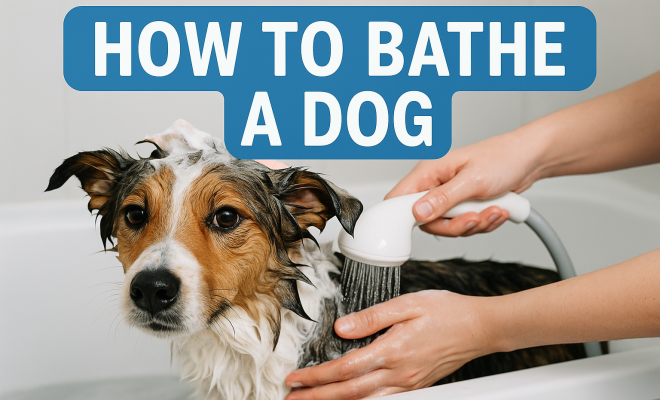
Now comes the fun part: bathing your dog! Start by wetting your dog’s coat thoroughly with lukewarm water, avoiding the head for now. A handheld showerhead or a cup can work well for this. Make sure to saturate their fur down to the skin, as this ensures a more effective wash.
Once your dog’s coat is wet, apply a small amount of dog shampoo and work it into a lather. Always follow the directions on the bottle regarding how much to use. Pay special attention to areas that tend to get dirty, like the paws, belly, and behind the ears. Be gentle and avoid getting shampoo in their eyes, ears, or mouth. After washing, rinse thoroughly to ensure no shampoo residue remains, as this can irritate your dog’s skin. (See: dog health and hygiene.)
6. Cleaning the Face and Ears
Cleaning your dog’s face and ears is a delicate process, but it’s essential. For the face, use a damp cloth or sponge instead of shampoo. Gently wipe your dog’s face and chin, being careful around the eyes and mouth. Some dogs may have tear stains, so a specific tear stain remover may be necessary for more stubborn markings.
When it comes to the ears, the process is a little different. Use a vet-recommended ear cleaner and a cotton ball to gently clean the outer ear. Avoid inserting anything deep into the ear canal, as this can cause damage or infections. If you notice any bad odor or excessive wax, consult your vet.
7. Drying Your Dog
Once your dog is all rinsed off, the drying process begins. Gently towel-dry your dog to remove excess water. If they enjoy the blow dryer, you can use it on a low setting, keeping it a safe distance from their skin to avoid burns. Always keep an eye on your dog’s comfort level—if they seem stressed, it’s best to stick with towels.
Long-haired breeds may need more time and effort in this step. Ensure the coat is completely dry to prevent matting and chilling. Some owners also find that a quick brush while drying can help keep the coat smooth and free of tangles.
8. Post-Bath Care and Maintenance
After bath time, it’s essential to check your dog’s skin and coat for any signs of irritation or unusual behavior. Regular baths can help keep your dog clean, but they should not be too frequent, as over-bathing can strip natural oils and lead to dry skin.
When it comes to ongoing maintenance, brushing your dog’s coat regularly will help reduce the need for frequent baths. Keeping your dog’s ears clean and checking for any signs of allergies or infections will also support their overall health. You might consider using dog safe wipes for quick clean-ups in between baths.
9. Understanding the Right Frequency for Bathing
How often you should bathe your dog can vary based on several factors. For instance, active dogs that love rolling in dirt might need more frequent baths compared to those that spend most of their time indoors. Most experts recommend bathing your dog every 4 to 6 weeks, but this can vary based on breed and lifestyle.
Here’s a quick breakdown:
- Short-haired breeds: These dogs tend to stay cleaner and may only require a bath every 2 to 3 months.
- Long-haired breeds: Depending on their activity level, they might need baths every 4 to 8 weeks. Regular grooming can also help keep their coat cleaner longer.
- Dogs with skin conditions: These dogs may require specialized bathing routines based on their vet’s recommendations.
Monitoring your dog’s coat and skin condition will help determine the best bathing schedule for them.
10. Use of Natural and DIY Dog Shampoos
Some dog owners prefer using natural or DIY shampoos to avoid the chemicals often found in commercial products. If you’re considering this route, it’s essential to choose safe, dog-friendly ingredients. Here are a couple of recipes you can try:
- Oatmeal Shampoo: Blend 1 cup of oatmeal and mix it with 1 cup of water. Apply it to your dog’s coat and rinse well. Oatmeal is great for soothing dry skin.
- Apple Cider Vinegar Rinse: Mix 1 part apple cider vinegar with 1 part water. After shampooing, use this mixture as a rinse. It can help with odor and maintain a healthy coat.
Always do a patch test before trying any new product on your dog, whether store-bought or homemade, to ensure they don’t have an allergic reaction.
11. Common Mistakes to Avoid
Even seasoned pet owners can make mistakes during bath time. Here are some common pitfalls to avoid:
- Using the wrong shampoo: Always stick to dog-specific shampoos, as human shampoos can disrupt their skin’s pH balance.
- Skipping the brushing step: It’s tempting to skip brushing if your dog looks clean, but it’s essential for long-haired breeds to prevent tangles.
- Overbathing: Bathing too frequently can lead to dry skin and irritation. Tailor the frequency to your dog’s needs.
- Rinsing improperly: Always ensure that all shampoo is rinsed from your dog’s coat to prevent irritation or allergies.
12. The Benefits of Regular Bathing
Bathing isn’t just about cleanliness; it has several benefits for your dog’s health: (See: dog care from Cornell University.)
- Skin health: Regular washing helps remove dirt and allergens that can irritate your dog’s skin.
- Bonding time: Bathing can strengthen your bond with your furry friend, making them more comfortable around you.
- Parasite control: Regular baths can help in detecting fleas and ticks early, allowing for timely treatment.
- Odor control: Regular baths can keep your dog smelling fresh and reduce odors associated with dirt and oils.
13. Frequently Asked Questions
How do I get my dog used to bathing?
Start by introducing your dog to the bathing area gradually. Use treats and praise to create positive associations, and keep the bath sessions short initially until they become more comfortable with the process.
Can I use human shampoo on my dog?
No, human shampoos are not formulated for a dog’s skin and can lead to irritation. Always opt for a dog-specific shampoo.
What should I do if my dog hates baths?
Try to make bath time more enjoyable by using toys, treats, or even bathing them outdoors if they love the yard. Gradually introduce them to water in a calm setting to help reduce their anxiety.
Is it better to bathe my dog inside or outside?
It depends on your dog’s size and temperament. If it’s warm and your dog enjoys being outside, bathing them outside can be refreshing. If you have more control over the water temperature and environment inside, that may be preferable.
How can I keep my dog calm during a bath?
Staying calm yourself is key. Use a soothing voice, offer treats, and keep the environment as stress-free as possible. Music or soft talking can help ease their nerves.
What if my dog has skin allergies?
If your dog has known skin allergies, work with your veterinarian to find a suitable shampoo and bathing routine. Specialized hypoallergenic shampoos might be necessary.
14. What to Do After Bath Time
Once your dog is all dried and looking fabulous, consider rewarding them with a treat or a short play session. This reinforces that bath time is not just a chore, but an enjoyable experience. Remember to monitor their behavior post-bath; some dogs may feel energetic and playful, while others might just want to nap after the excitement.
15. Seasonal Bathing Considerations
Bathing practices can also vary with the seasons. During warmer months, dogs might need more frequent baths due to sweating and outdoor adventures. In contrast, during colder months, you might want to limit baths to prevent your dog from getting too chilly.
In winter, if your dog loves the outdoors, consider rinsing them off after walks to remove mud and snow without a full bath. This can help keep them clean while preventing any winter skin issues.
16. Bathing Dogs with Special Needs
Dogs with special needs, such as older dogs or those with disabilities, may require additional care during bath time. For senior dogs, make sure the bathing environment is safe, with minimal chances of slipping or falling. You might even consider using a portable dog bath or washing them in a small kiddie pool outside.
If your dog has mobility issues, consider using a handheld showerhead or even a sponge bath method to make the process easier on both of you. Always be gentle and patient, as these dogs might require more time to adjust to the bathing process.
17. Benefits of Professional Grooming
While many dog owners prefer to bathe their pets at home, professional grooming services can offer benefits that might be worth considering. Groomers have the expertise to handle dogs of all temperaments and can often complete the bath more quickly and efficiently. They also have access to specialized tools and products that you might not have at home.
Additionally, regular visits to a groomer can help keep your dog’s coat maintained and healthy. Dogs with long or thick coats may benefit significantly from professional grooming, as this can prevent mats and tangles that are difficult to manage at home.
18. Using Bath Time for Training
Bath time can double as an opportunity for training. Teaching your dog commands such as “stay” or “gentle” while bathing can be beneficial. Use treats to encourage desired behavior, and reinforce calmness during the process. This can not only make your life easier but also instill a sense of discipline in your dog.
Consider incorporating some fun tricks that can be performed in the bath, like shaking water off after rinsing or spinning around before drying. It can make bath time an enjoyable and engaging experience for both you and your dog.
19. Exploring Dog Bathing Accessories
The market is filled with bathing accessories that can simplify the process. Bathing gloves, for example, are designed to allow you to scrub your dog’s coat while also promoting bonding. You can also find shampoos with built-in conditioners that can save time during the rinse cycle.
Another popular accessory is a pet bathing harness, which can help keep your dog still during the bath, particularly for more enthusiastic pups. These items can take the stress out of the process, making it smoother for both you and your pet.
Incorporating these dog bathing tips into your routine will not only keep your pet clean but will also strengthen the bond between the two of you. With the right approach, bath time can be a positive experience that enhances your pet’s well-being.
“`
Trending Now
Frequently Asked Questions
How often should I bathe my dog?
The frequency of bathing your dog depends on their breed and coat type. Dogs with thick or long fur, like Golden Retrievers or Poodles, may need baths more often, while short-haired breeds like Beagles or Boxers usually require less frequent washes. It's important to monitor your dog's coat condition and consult your veterinarian if you have concerns about their skin health.
What supplies do I need to bathe my dog?
To bathe your dog, gather essential supplies including dog-specific shampoo, towels for drying, a brush to detangle their coat, a non-slip mat to prevent slipping, and a comfortable water source like a handheld showerhead or bucket. Having these items ready will make the bathing process smoother for both you and your dog.
Can I use human shampoo on my dog?
No, it's not recommended to use human shampoo on dogs, as it can be too harsh for their skin's pH balance and may cause irritation. Always opt for a dog-specific shampoo that is formulated to be gentle on their skin and coat.
How do I prepare my dog for a bath?
To prepare your dog for a bath, start by brushing their coat to remove loose hair and tangles. Ensure you have all your supplies ready, including a non-slip mat in the tub or shower. Calmly introduce your dog to the bathing area and use positive reinforcement to make the experience enjoyable.
What should I do if my dog hates baths?
If your dog dislikes baths, try to create a positive experience by using treats and praise during the process. Start with short sessions, gradually increasing the time as they become more comfortable. Consider using a handheld showerhead for better control and to avoid overwhelming them with water.
Have you experienced this yourself? We’d love to hear your story in the comments.