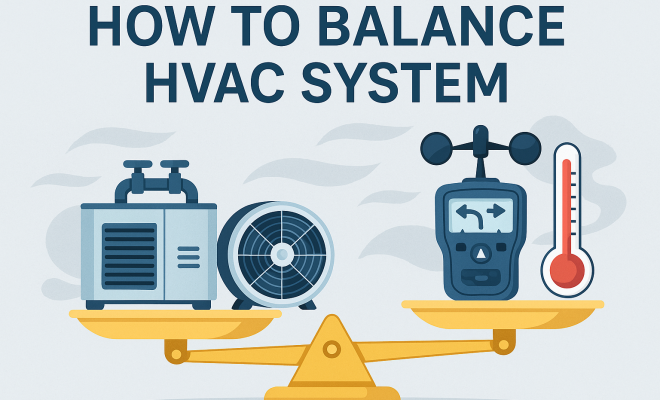
Master HVAC Balancing for Home Comfort & Efficiency
“`html
When it comes to maintaining a comfortable indoor environment, effective HVAC balancing is paramount. Many homeowners underestimate its importance, yet this process can significantly influence comfort levels, energy efficiency, and system longevity. In this guide, we’ll explore the intricacies of HVAC balancing, from basic concepts to practical steps you can take to achieve an evenly heated or cooled home.
1. Understanding HVAC Balancing
HVAC balancing involves adjusting the airflow distribution within a heating, ventilation, and air conditioning (HVAC) system to ensure that each room receives the right amount of conditioned air. This process is crucial because uneven airflow can lead to hot or cold spots, increased energy consumption, and overall inefficiency. An unbalanced system not only diminishes comfort but can also strain the HVAC equipment, leading to premature wear and tear.
The need for HVAC balancing often arises in homes with multiple zones or rooms that have varying heating and cooling requirements. Factors such as duct size, insulation, and the layout of the space can all affect how air is distributed. By properly balancing your HVAC system, you can achieve a much more comfortable and efficient living environment.
2. Signs Your HVAC System Needs Balancing
Before diving into the balancing process, it’s essential to recognize the signs indicating your HVAC system may require adjustments. Common symptoms of an unbalanced system include:
- Temperature Variations: Rooms that are too hot or too cold compared to the thermostat setting often signify imbalance.
- Inefficient Energy Use: If your energy bills seem unusually high, it could be due to your HVAC system working overtime to compensate for airflow issues.
- Noisy Ductwork: Unusual sounds, such as whistling or banging from the ducts, can indicate air pressure differences caused by imbalance.
Identifying these signs early can save you money on energy bills and prevent costly repairs in the long run. If you notice any of these issues, it may be time to consider an HVAC balancing assessment.
3. The Importance of Proper Duct Design
Proper duct design is foundational for effective HVAC balancing. Ducts must be appropriately sized and routed to ensure uniform airflow throughout the home. Oversized ducts can lead to excessive airflow, while undersized ducts may restrict airflow, both contributing to temperature imbalances. The layout of the ducts also plays a significant role; they should be designed to minimize bends and turns, which can impede airflow.
Additionally, duct insulation is critical, especially in unconditioned spaces like attics or crawl spaces. Insulated ducts prevent heat loss or gain, maintaining the desired temperature as air travels through the system. Consider hiring a professional to evaluate your ductwork design, as they can recommend necessary modifications to optimize airflow.
4. DIY vs. Professional HVAC Balancing
While some homeowners may feel inclined to tackle HVAC balancing independently, it often requires specialized knowledge and tools. For minor adjustments, such as tweaking supply vents or checking air filters, DIY methods can suffice. However, for a comprehensive balancing job, especially in larger or more complex systems, enlisting a professional is advisable.
HVAC professionals possess the expertise and equipment to accurately assess airflow and make necessary adjustments. They can also conduct a performance analysis to ensure that your system operates at peak efficiency. If you’re considering DIY methods, ensure you educate yourself thoroughly and understand the system components you’ll be working with. (See: Maintaining your air conditioner.)
5. Steps to Balance Your HVAC System
For those ready to take on the challenge, here’s a step-by-step guide to achieving effective HVAC balancing:
- Check Air Filters: Start by inspecting and replacing dirty air filters, which can restrict airflow and lead to imbalances.
- Inspect Supply and Return Vents: Ensure that all vents are open and unobstructed. Furniture, curtains, and other objects can block airflow.
- Measure Airflow: Using an anemometer, measure the airflow at each supply and return vent. This will help identify any discrepancies.
- Adjust Dampers: If your system has manual dampers, adjust them to balance airflow across different rooms.
- Test and Monitor: After making adjustments, monitor temperature changes over a few days to ensure balance is achieved.
By following these steps, you can take a proactive approach to maintaining your HVAC system’s efficiency and comfort levels.
6. The Role of Zoning Systems in HVAC Balancing
Zoning systems are another effective solution for HVAC balancing, especially in larger homes. These systems divide a house into separate zones, each with its thermostat and control system. This allows for tailored temperature settings in different areas, addressing the unique heating and cooling needs of each zone.
With zoning systems, you can avoid wasting energy on unoccupied spaces while providing comfort where it’s needed most. Additionally, zoning can enhance the overall performance of your HVAC system, reducing wear over time. If you’re considering upgrading your system, integrating zoning might be a worthwhile investment.
7. Common HVAC Balancing Mistakes to Avoid
Even seasoned homeowners can make mistakes when it comes to HVAC balancing. Here are some pitfalls to watch out for:
- Ignoring Air Filters: Neglecting to change air filters regularly can lead to airflow blockages, nullifying your balancing efforts.
- Overlooking Vent Placement: Failing to consider the location and orientation of vents can result in inefficient airflow distribution.
- Neglecting Professional Help: Attempting significant adjustments without professional guidance can lead to further complications.
Avoiding these mistakes can streamline your balancing efforts and ensure a more comfortable home environment.
8. The Impact of HVAC Balancing on Energy Efficiency
Energy efficiency is a major concern for homeowners today, and HVAC balancing plays a pivotal role in achieving it. An unbalanced system can lead to excessive energy consumption, as the HVAC unit works harder to compensate for uneven airflow. According to the U.S. Department of Energy, properly balanced and maintained HVAC systems can improve efficiency by as much as 10% to 30%.
In addition to reducing energy bills, improving efficiency can also extend the lifespan of your HVAC equipment. When a system operates under optimal conditions, it experiences less strain, leading to fewer breakdowns and repairs. Thus, investing in proper HVAC balancing isn’t just about comfort; it’s also a smart financial decision.
9. Future Trends in HVAC Balancing Technology
As technology advances, so too does the field of HVAC balancing. New innovations are emerging to enhance efficiency and user control. Smart thermostats, for example, allow for real-time monitoring and adjustments based on occupancy and preferences. These devices can provide detailed insights into energy usage and airflow distribution, making it easier to maintain balance.
Additionally, developments in ductless mini-split systems are gaining popularity. These systems offer zoning capabilities without the need for extensive ductwork, making them an excellent choice for retrofitting older homes. As these technologies evolve, homeowners will have more options than ever to achieve effective HVAC balancing, ensuring optimal comfort and efficiency for years to come. (See: Importance of ventilation in buildings.)
10. Frequently Asked Questions (FAQ) About HVAC Balancing
What is HVAC balancing?
HVAC balancing is the process of adjusting the airflow in your HVAC system to ensure each room receives the appropriate amount of heated or cooled air. This helps prevent hot and cold spots in your home and improves overall comfort and energy efficiency.
How can I tell if my HVAC system is unbalanced?
Signs of an unbalanced HVAC system include noticeable temperature differences between rooms, high energy bills, and strange noises coming from your ductwork. If you experience any of these symptoms, it might be time to assess your system’s balancing.
Can I balance my HVAC system myself?
While minor adjustments like checking air filters and ensuring vents are unobstructed can be done by homeowners, balancing a complex system often requires professional expertise. HVAC technicians have the right tools and experience to accurately measure airflow and make necessary adjustments.
What tools do I need for HVAC balancing?
To balance your HVAC system, you may need tools such as an anemometer (to measure airflow), a manometer (to measure pressure), and possibly duct tape and dampers for adjustments. However, many of these tools are best handled by professionals.
How often should I have my HVAC system balanced?
It’s a good idea to have your HVAC system assessed and balanced at least once a year, preferably before major heating or cooling seasons. Regular maintenance can ensure optimal performance and efficiency.
Does HVAC balancing save energy?
Yes, properly balancing your HVAC system can lead to significant energy savings. An efficiently balanced system uses less energy to maintain desired temperatures, which can reduce your utility bills and extend the lifespan of your HVAC equipment.
What are the benefits of using a professional for HVAC balancing?
Professionals bring experience, tools, and a comprehensive understanding of HVAC systems. They can identify issues that may not be apparent to the average homeowner, ensuring that your system is not only balanced but also functioning optimally.
11. Real-World Examples of HVAC Balancing Success
To understand the benefits of HVAC balancing better, let’s look at a few real-world examples where proper balancing made a significant difference:
- Case Study 1: A family living in a 2,500 square foot home experienced dramatic temperature differences between the upstairs and downstairs areas. After a professional HVAC balancing assessment, adjustments to the ductwork and the installation of a zoning system resulted in a more uniform temperature. The family reported a 25% reduction in energy bills after the changes were made.
- Case Study 2: A small business owner faced consistently high energy costs and an uncomfortable work environment due to temperature fluctuations in the office. By hiring an HVAC specialist to balance their system, they were able to identify and fix issues with duct sizing and vent placement. This led to a 30% decrease in energy consumption and significantly improved comfort for employees.
- Case Study 3: In an older home with a less efficient HVAC system, the homeowner felt that their energy bills were unreasonably high. After an HVAC professional assessed the system, it was found that the ductwork was poorly insulated and improperly sized. With a few strategic modifications and improved insulation, the homeowner noticed a marked improvement in their system’s efficiency, alongside lower bills.
12. The Cost of HVAC Balancing
Investing in HVAC balancing can vary in cost depending on several factors, including the size of the home, the complexity of the system, and whether any duct modifications are necessary. On average, homeowners can expect to pay between $100 and $500 for a professional assessment and balancing. While this may seem like a considerable investment, the long-term savings in energy costs and improved comfort can more than offset the initial expense. (See: Importance of ventilation and HVAC systems.)
If you’re considering balancing your system, it’s wise to get multiple quotes from HVAC professionals to ensure you’re getting a fair deal. However, remember that the lowest price isn’t always the best option; look for a contractor with positive reviews and a solid track record.
13. Best Practices for Maintaining HVAC Balance
To maintain HVAC balance over time, there are several best practices homeowners can follow:
- Regular Maintenance: Schedule regular HVAC maintenance checks at least once a year. This will help identify potential issues before they become significant problems.
- Change Air Filters: Change or clean your air filters regularly, ideally every 1-3 months, depending on usage. This ensures that airflow remains unobstructed.
- Keep Vents Clear: Regularly check that vents are not obstructed by furniture, curtains, or other items. Even a small blockage can affect airflow significantly.
- Monitor Temperature: Keep an eye on temperature variations in your home. If you notice any changes, it might be time for another assessment.
By following these best practices, you can help ensure that your HVAC system remains balanced and operates efficiently throughout the year.
14. The Connection Between HVAC Balancing and Indoor Air Quality
When discussing HVAC balancing, it’s essential to consider its impact on indoor air quality (IAQ). An unbalanced system may lead to stagnant air in some areas of your home, which can result in the accumulation of dust, allergens, and other contaminants. Balancing your HVAC system helps promote better airflow, reducing the risk of mold and improving the overall quality of the air you breathe.
Additionally, investing in high-quality air filters and ensuring regular maintenance can significantly enhance IAQ. Always aim to choose filters that can capture the smallest particles possible, as this will contribute to a healthier indoor environment.
15. Conclusion
In conclusion, HVAC balancing is a crucial aspect of home comfort that shouldn’t be overlooked. Whether you’re considering DIY adjustments or seeking professional assistance, understanding the fundamentals of balancing can lead to a more efficient and enjoyable indoor environment. Stay informed about new technologies and practices to ensure your system performs at its best. Investing time and resources into proper HVAC balancing can pay off in comfort, energy savings, and equipment longevity.
“`
Trending Now
Frequently Asked Questions
What is HVAC balancing?
HVAC balancing is the process of adjusting the airflow distribution within a heating, ventilation, and air conditioning system to ensure that each room receives the appropriate amount of conditioned air. This helps to eliminate hot or cold spots, improve energy efficiency, and extend the lifespan of the system.
How do I know if my HVAC system needs balancing?
Signs that your HVAC system may need balancing include noticeable temperature variations between rooms, inefficient energy use reflected in high bills, and unusual noises from the ductwork, such as whistling or banging, which indicate air pressure imbalances.
What are the benefits of balancing my HVAC system?
Balancing your HVAC system leads to improved comfort levels by eliminating hot and cold spots, increased energy efficiency which can lower utility bills, and reduced strain on the HVAC equipment, ultimately extending its lifespan and reducing repair costs.
Can I balance my HVAC system myself?
While some basic adjustments can be made by homeowners, such as adjusting vents or dampers, achieving optimal HVAC balancing often requires professional expertise. A qualified technician can assess the system comprehensively and make precise adjustments to ensure balanced airflow. Related reading: understanding insulation.
What causes an HVAC system to become unbalanced?
An HVAC system can become unbalanced due to factors like incorrect duct sizing, inadequate insulation, or an inefficient layout of the space. Additionally, changes in the home, such as renovations or the addition of new rooms, can also affect airflow distribution.
Agree or disagree? Drop a comment and tell us what you think.