Unlock a Lush Lawn: Your Guide to Effective Aeration Techniques
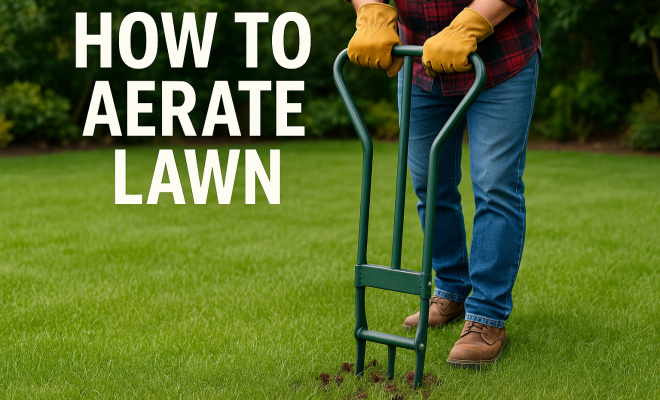
“`html
A lush, green lawn is the envy of every homeowner, but achieving that perfect yard requires more than just regular mowing and watering. One of the most essential yet often overlooked practices is aeration. Understanding lawn aeration techniques can significantly improve the health of your grass and enhance your outdoor space. In this comprehensive guide, we’ll explore what lawn aeration is, why it’s important, and how you can implement effective techniques tailored to your lawn’s needs.
1. What is Lawn Aeration?
Lawn aeration is the process of perforating the soil with holes to allow air, water, and nutrients to penetrate deep into the root zone. This technique helps to alleviate soil compaction, improve drainage, and promote healthy root growth. During aeration, small plugs of soil are removed, which enhances the overall effectiveness of the lawn’s existing maintenance.
This process is vital for maintaining a healthy lawn, especially in areas with heavy foot traffic, clay soils, or where grass has been over-fertilized. By enabling roots to access vital resources more easily, aeration leads to stronger grass that can better withstand drought, disease, and pests.
2. Why is Lawn Aeration Important?
Understanding the importance of lawn aeration can transform your approach to lawn care. Compacted soil restricts root growth and reduces the penetration of essential elements such as water and nutrients. This is where lawn aeration techniques come into play. Aeration helps to:
- Improve Soil Structure: Aeration breaks up compacted soil, allowing for better movement of air and moisture.
- Encourage Root Growth: With better access to nutrients, grass roots can expand and strengthen.
- Enhance Turf Health: Regular aeration reduces thatch buildup, leading to a healthier and greener lawn.
Additionally, aeration promotes microbial activity in the soil, which is crucial for nutrient cycling and overall soil health. Without proper aeration, lawns may become susceptible to a myriad of problems, including root diseases and nutrient deficiencies.
3. Signs Your Lawn Needs Aeration
Identifying when your lawn requires aeration is key to maintaining its health. Here are a few signs to watch out for:
- Soil Compaction: If your lawn feels hard underfoot or has visible signs of wear and tear, it may be compacted.
- Water Pooling: If water tends to pool on the surface instead of soaking in, this indicates that the soil is compacted.
- Thin Grass Areas: If patches of grass appear thin or unhealthy, it may be due to poor root development.
In general, aerating your lawn once or twice a year can help maintain its health, especially if you notice any of these issues emerging. Timing can also be a crucial factor; aerating during the growing season for your grass type is generally recommended.
4. When is the Best Time to Aerate Your Lawn?
The timing of aeration depends largely on the type of grass you have. Warm-season grasses, such as Bermuda and Zoysia, thrive when aerated in late spring or early summer. On the other hand, cool-season grasses, like Kentucky bluegrass and fescue, benefit from aeration in the early fall or spring.
For optimal results, consider the following guidelines:
- Warm-Season Grasses: Aerate during the active growth period, typically between May and July.
- Cool-Season Grasses: Aim for aeration in the fall when temperatures are cooler, usually from September to early November.
Performing aeration at these times allows for quicker recovery and ensures that the benefits of aeration are maximized. (See: importance of air quality in lawns.)
5. Different Lawn Aeration Techniques
There are various lawn aeration techniques you can consider, each with its own pros and cons. The most common methods are:
- Core Aeration: This technique involves removing plugs of soil and thatch from the lawn. It’s the most effective method for relieving soil compaction and promoting air exchange.
- Spike Aeration: In this method, spikes puncture the soil but do not remove any soil. While it’s easier and less expensive, it can sometimes lead to further compaction.
- Liquid Aeration: This newer technique involves applying a liquid solution that helps to loosen compacted soil. While promising, it may require more research for long-term effectiveness.
Choosing the right method will depend on your lawn’s specific conditions, budget, and the extent of compaction.
6. How to Aerate Your Lawn: A Step-by-Step Guide
Now that you understand the importance of aeration and the various techniques, here’s a practical guide on how to aerate your lawn effectively:
- Assess Your Lawn: Identify the areas that need aeration based on the signs mentioned earlier.
- Choose Your Method: Decide whether you’ll use core aeration, spike aeration, or liquid aeration based on your evaluation.
- Prepare the Lawn: Water your lawn a day or two before aeration to soften the soil.
- Aerate: If using a core aerator, make passes over the lawn, allowing the machine to remove soil plugs.
- Leave the Plugs: Allow the removed soil plugs to break down on the surface; they will enrich the lawn.
- Follow Up: After aerating, fertilize your lawn and water it well to enhance recovery.
By following these steps, you’ll ensure your lawn gets the benefits of aeration and sets it up for success.
7. Post-Aeration Care for Best Results
After aerating your lawn, it’s critical to provide proper care to maximize the benefits. Here are some tips for post-aeration maintenance:
- Watering: Ensure your lawn receives adequate moisture post-aeration. Water deeply but infrequently to encourage deep root growth.
- Fertilization: Apply a balanced fertilizer to provide the nutrients your grass needs to recover and thrive.
- Mowing: Avoid mowing your lawn immediately after aeration. Wait a week or two to allow the grass to re-establish.
By taking these steps, you’ll help your lawn bounce back stronger than ever and enjoy the vibrant green space that you’ve always wanted.
8. Common Mistakes to Avoid
While aerating is essential, there are common mistakes that many homeowners make that can hinder the effectiveness of the process. Here are a few to watch out for:
- Aerating at the Wrong Time: Make sure you aerate during the correct growth season for your type of grass.
- Ignoring Soil Conditions: Aeration is not effective in overly dry or muddy conditions. Ensure the soil is adequately moist before starting.
- Not Fertilizing: Many people forget to fertilize after aeration. This step is crucial for recovery and growth.
By avoiding these common pitfalls, you’ll greatly enhance the success of your lawn care efforts.
9. The Future of Lawn Care: Innovations and Trends
As technology advances, so do the techniques and tools available for lawn care. Innovations in aeration are on the rise, with some companies developing specialized equipment that combines aeration with seeding or fertilizing in one efficient pass. Additionally, the emergence of smart lawn care technologies allows homeowners to monitor soil health and moisture levels remotely, making it easier to determine the best times for aeration.
Furthermore, eco-friendly lawn care practices are gaining traction. Many homeowners are now seeking organic or less chemically-intensive fertilizers and aeration products. As awareness about sustainable landscaping increases, these trends will likely shape the future of yard maintenance.
10. Comparing Aeration Techniques: Which is Right for You?
Choosing the right aeration technique for your lawn can have significant long-term effects on its health and appearance. Let’s break down these methods further to help you decide which fits your needs best: (See: study on soil aeration effects.)
Core Aeration vs. Spike Aeration
Core aeration is often regarded as the superior choice for most lawns due to its ability to directly remove soil plugs. This method not only alleviates compaction but also allows for the decomposition of the removed soil, enriching the lawn. In contrast, spike aeration, while easier to perform, can cause soil compaction issues if done too frequently. It’s best suited for lawns that experience light foot traffic or where compaction is less severe.
Liquid Aeration: Pros and Cons
Liquid aeration is a technique gaining popularity, particularly for those seeking a no-mess solution. It involves applying a liquid treatment that helps to break up compacted soil particles. While many users report positive results, there isn’t the same level of scientific backing as there is for core aeration. Therefore, if you’re considering liquid aeration, it may be wise to use it as a supplementary method rather than a primary one.
Cost Considerations
When deciding on an aeration method, cost can be a significant factor. Core aeration machines often require rentals or professional services, which can add up. Spike aeration tools are generally more affordable and easier for homeowners to use. Liquid aeration products vary in price, and while they might be initially less expensive, their long-term effectiveness could necessitate further investments.
11. DIY Aeration vs. Hiring a Professional
Another important decision is whether to tackle aeration as a DIY project or hire a professional. Here are some points to consider for both options:
DIY Aeration
Doing it yourself can save money, and many homeowners take pride in maintaining their lawns. If you choose this route, ensure you have the right tools, whether renting or purchasing. Additionally, learning the best practices through online tutorials can help you avoid common mistakes. Be prepared to dedicate a weekend or even more time if your lawn is large.
Hiring a Professional
If your lawn is large, severely compacted, or if you’re unsure about the techniques, hiring a professional service may be beneficial. They come equipped with specialized tools and experience to ensure the job is done correctly. Many lawn care companies offer aeration as part of a package, which can be convenient. Plus, professionals often have access to more advanced equipment, yielding better results.
12. Frequently Asked Questions About Lawn Aeration
1. How often should I aerate my lawn?
It depends on the condition of your soil and traffic on your lawn. Generally, aerating once or twice a year is recommended, especially if you notice signs of compaction.
2. Can I aerate my lawn myself?
Absolutely! Many homeowners choose to aerate their lawns themselves using rented equipment. Just ensure you’re familiar with the process and timing for your grass type.
3. What happens if I aerate at the wrong time?
Aerating at the wrong time can lead to poor recovery and less effective results. It can stress the grass, especially if done during extreme temperatures. Always aim to aerate during the optimal growth season for your grass type.
4. Is there any preparation needed before aerating?
Yes, it’s best to water your lawn a day or two prior to aeration. This helps to soften the soil, making it easier for the aerator to penetrate. (See: benefits of soil aeration.)
5. Will aeration remove all the thatch in my lawn?
Aeration primarily helps with soil compaction and allows for better nutrient and water absorption. It does not completely remove thatch but can significantly reduce it by promoting microbial activity in the soil.
6. What should I do after I’ve aerated?
After aeration, ensure you water your lawn well and consider applying fertilizer to help the grass recover and thrive. Avoid mowing immediately after aeration to allow the grass to establish itself.
7. Can aeration help with lawn diseases?
Yes! Aeration improves air circulation and promotes healthier root systems, making your lawn less susceptible to diseases. It allows beneficial microbes to thrive, which can help combat pathogens.
8. How does aeration affect overseeding?
Aeration is beneficial when overseeding because the holes created allow seeds to make direct contact with the soil. This increases germination rates, ensuring that new grass has the best chance to establish.
9. What should I do if it rains after I aerate?
If it rains shortly after aeration, that’s generally good! It will help the soil plugs break down faster and provide moisture for the seeds if you decide to overseed. Just keep an eye on the lawn to ensure it doesn’t become too saturated.
10. Is there a specific temperature for aerating?
While there’s no strict temperature guideline, aerating when temperatures are between 60°F and 75°F is ideal for most cool-season grasses. For warm-season grasses, aim for temperatures around 70°F to 85°F.
13. Conclusion: Cultivating Your Lawn’s Potential
By exploring lawn aeration techniques, homeowners can create thriving green spaces that not only enhance curb appeal but also contribute to environmental health. With the right knowledge, timing, and care, your lawn can become a vibrant outdoor sanctuary. Understanding and implementing effective aeration strategies will lead to a lush, healthy lawn that can withstand the test of time. So gear up, get your aerator ready, and prepare to give your lawn the care it deserves!
“`
Trending Now
Frequently Asked Questions
What is the best time to aerate your lawn?
The best time to aerate your lawn is during the growing season when the grass is actively growing. For cool-season grasses, early spring or fall is ideal, while for warm-season grasses, late spring to early summer is recommended. Aerating during these periods helps the grass recover quickly and benefit from improved access to air, water, and nutrients.
How often should I aerate my lawn?
Most lawns benefit from aeration once a year, but high-traffic areas or lawns with heavy clay soil may require aeration twice a year. Regular aeration helps alleviate soil compaction, enhances root growth, and improves overall turf health, ensuring your lawn remains lush and vibrant.
Can I aerate my lawn myself?
Yes, you can aerate your lawn yourself using a lawn aerator, which can be rented from garden centers or home improvement stores. Manual aerators are suitable for smaller areas, while powered aerators are more efficient for larger lawns. Ensure to follow the proper techniques for effective aeration.
What should I do after aerating my lawn?
After aerating your lawn, it's important to water it thoroughly to help the soil recover and allow nutrients to penetrate deeper. You may also consider overseeding or applying fertilizer to further enhance growth. Avoid heavy foot traffic on the lawn for a few days to allow the grass to establish.
Does lawn aeration really work?
Yes, lawn aeration is highly effective in improving soil structure, promoting root growth, and enhancing turf health. By alleviating compaction and allowing better air, water, and nutrient penetration, aeration leads to a stronger and healthier lawn, making it more resilient against drought, disease, and pests.
Agree or disagree? Drop a comment and tell us what you think.