Craft Stunning Paper Flowers: A Comprehensive DIY Guide
“`html
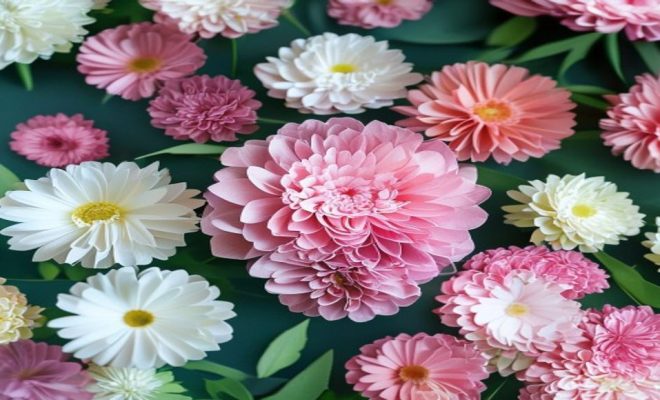
Crafting beautiful paper flowers is an engaging way to bring a burst of color and creativity into your home, alongside a sense of accomplishment. Whether you’re preparing for a special event or simply looking to spice up your decor, a comprehensive paper flowers tutorial will guide you through the process of creating stunning blooms that never wilt.
1. The Art of Paper Flowers: A Brief History
Paper flowers have a rich history that dates back centuries. Originating in various cultures around the globe, these handcrafted blooms were often used in ceremonies or celebrations. In Japan, for instance, the tradition of making paper flowers, known as origami, showcases the beauty of folded paper artistry.
The craft gained significant traction in the West during the Victorian era, where intricate paper flowers were used for home decor. Today, as sustainability becomes more important, many are turning to paper flowers as an eco-friendly alternative to real flowers. This transition highlights a growing appreciation for craftsmanship and creativity.
2. Gathering Your Materials: What You’ll Need
Before diving into your paper flowers tutorial, gather the necessary materials. Here’s a basic list to get you started:
- Colored paper (crepe paper, cardstock, or tissue paper)
- Scissors
- Glue or double-sided tape
- Floral wire or pipe cleaners
- Floral tape
- Optional: paint, markers, or embellishments for added detail
Choosing the right paper is crucial; crepe paper, for example, has a lovely texture that mimics real petals, while cardstock offers sturdiness. Mixing different types of paper can yield unique results, giving your flowers character and depth.
3. Choosing Your Flower Designs: Popular Options
When it comes to making paper flowers, the possibilities are endless. Some popular designs include:
- Roses
- Daisies
- Tulips
- Peonies
- Sunflowers
Each flower has its own unique method of construction. For instance, roses often require multiple layers to create depth, while daisies can be simpler, with fewer petals. Choosing a design that resonates with you will make the crafting experience all the more enjoyable.
4. A Step-by-Step Guide: Crafting a Simple Rose
Now, let’s dive into a specific paper flowers tutorial by crafting a classic rose. Follow these steps:
- Start with a piece of crepe paper, cutting it into a rectangle about 6 inches by 12 inches.
- Fold the rectangle accordion-style into 1-inch sections.
- Cut the ends of the folded paper into a petal shape.
- Unfold the paper slightly to create the petals, then roll the paper tightly from one end to the other.
- Secure the base with floral wire and wrap it with floral tape.
This basic rose design can be adjusted for size and color, making it versatile for any decor. Feel free to experiment by using different shades or adding embellishments like glitter. (See: History of paper flowers.)
5. Perfecting Your Technique: Tips and Tricks
As with any craft, practice makes perfect. Here are some tips to enhance your paper flower-making skills:
- Experiment with Textures: Mixing different types of paper can create visually appealing contrasts in your flowers.
- Use Wire Wisely: Floral wire can offer stability. Bend and shape it to mimic the stem of real flowers.
- Detailing: Adding details like painted edges or glitter can elevate your flowers significantly. Don’t shy away from personal touches!
- Watch Tutorials: YouTube and crafting blogs are treasure troves of information. Visual guides can provide insights that written instructions sometimes miss.
These tips can help you refine your craft, ensuring that each flower you create is both beautiful and unique.
6. Creative Applications: Where to Use Your Paper Flowers
Once you’ve mastered your paper flowers tutorial, you might wonder where to display your creations. Here are some creative applications:
- Home Decor: Use them as centerpieces or wall art. A floral arrangement of paper flowers can make a room feel vibrant and inviting.
- Weddings and Events: Many couples are opting for paper flowers as part of their wedding decor due to their longevity and unique aesthetic.
- Gifts: Create a bouquet of paper flowers as a sentimental gift. Personalizing each flower can add meaning.
- Craft Projects: Incorporate paper flowers into other crafts, like scrapbooking or card making.
The versatility of paper flowers makes them an excellent choice for virtually any occasion. Their durability ensures they can be kept as lasting memories of special days.
7. Current Trends: The Resurgence of Handmade Decor
As we move forward into a more eco-conscious society, handmade crafts like paper flowers are experiencing a resurgence. Many people are seeking sustainable alternatives to traditional decorations, turning to crafting as both a hobby and a way to express individuality.
In addition to being environmentally friendly, paper flowers can be customized to fit any color scheme or theme, making them a hit for events like birthdays, anniversaries, and holidays. Social media platforms like Instagram and Pinterest are filled with examples of unique paper flower designs, inspiring crafters to innovate.
8. Resources: Where to Find More Help
For those eager to explore more about making paper flowers, several resources can help:
- Craft Books: Look for books focused on paper crafts that often include detailed tutorials.
- Online Courses: Websites like Skillshare and Udemy offer courses on crafting paper flowers.
- YouTube Channels: Numerous crafting channels provide step-by-step visual guides and tips.
- Local Workshops: Check local craft stores or community centers for workshops where you can learn in person.
Utilizing these resources can enhance your skills and inspire new ideas for your next paper flower project.
9. FAQs: Your Paper Flowers Questions Answered
What type of paper is best for making paper flowers?
Crepe paper is often recommended due to its texture and flexibility, making it easy to shape petals. However, cardstock can be great for sturdier blooms, while tissue paper offers a soft and delicate look. Your choice depends on the flower design and the effect you want to achieve.
Can I use recycled paper for my flowers?
Absolutely! Using recycled paper adds an eco-friendly touch to your creations. Old book pages, magazines, or wrapping paper can also produce unique and interesting flowers. Just ensure the paper is not too thick for easier handling. (See: Sustainability and eco-friendly practices.)
How do I store my paper flowers?
Store your paper flowers in a cool, dry place away from direct sunlight to prevent fading. Using a box or a storage container can protect them from dust and physical damage, ensuring they stay beautiful for years to come.
Can paper flowers be used outdoors?
While paper flowers can withstand some outdoor conditions, they’re best suited for indoor displays as moisture and sunlight can damage them. If you’re looking to use them outdoors, consider using a protective spray to coat your flowers, but keep in mind that prolonged exposure may still affect their appearance.
How can I make my paper flowers last longer?
To extend the life of your paper flowers, avoid placing them in areas with high humidity or direct sunlight. Additionally, consider using a fixative spray to protect them from dust and moisture. If they start to look worn, a gentle dusting or light reshaping can rejuvenate their appearance.
Are there any safety tips when using scissors and glue?
Always use scissors with caution, especially if children are involved in the crafting process. Opt for child-safe scissors for younger crafters. When using glue, particularly hot glue, be mindful of burns. Allow glue to cool before handling, and keep it out of reach of children.
10. Advanced Techniques: Elevating Your Craft
Once you’re comfortable with basic designs, think about exploring more advanced techniques to elevate your paper flower creations. Techniques like layering, shading, and even adding mixed media elements can provide depth and interest.
Layering Techniques
Layering can add dimension to your flowers. For example, when making roses, try using multiple shades of the same color. Start with darker hues at the bottom and work your way to lighter shades on top. This technique mimics how real flowers often have subtler gradients.
Shading with Markers or Paint
Using markers or watercolors can add realism to your flowers. Lightly brush the edges of your petals with a darker color to create depth. This detail can drastically enhance the overall look of your blooms.
Mixed Media Incorporation
Don’t hesitate to get creative by incorporating other materials. Use beads, rhinestones, or fabric scraps to add unique touches to your flowers. For instance, a beaded center can make a flower look even more elaborate. (See: Crafts and creativity in modern times.)
11. Paper Flowers for Kids: Fun Family Projects
Crafting paper flowers is a fantastic activity for kids. It not only fosters creativity but also enhances fine motor skills. Here are some kid-friendly tips:
- Simple Designs: Start with basic flower shapes, like simple daisies or tulips, which require fewer steps.
- Safety First: Use child-safe scissors and non-toxic glue. Supervise younger children during the crafting process.
- Color Choices: Let children pick their favorite colors, encouraging personal expression in their creations.
- Display Their Work: Create a designated art display area at home to showcase their beautiful paper flowers.
12. Seasonal Inspirations: Crafting for Different Occasions
When crafting paper flowers, consider seasonal themes to enhance your decor. Each season brings unique colors and styles that can inspire your creations.
- Spring: Think pastels and vibrant colors. Flowers like tulips and cherry blossoms symbolize new beginnings, making them perfect for spring. Host a spring-themed crafting day with friends or family.
- Summer: Bright and bold colors are ideal for summer flowers. Sunflowers and hibiscus can bring warmth and cheer to your space, making them perfect for outdoor gatherings.
- Autumn: Warm tones like oranges, reds, and yellows can be used to craft flowers that reflect the fall foliage. Creating paper flowers with leaves can also add a seasonal touch.
- Winter: For winter, think about crafting flowers in icy shades of blue and white to resemble snowflakes or frosted blooms. Adding glitter can help mimic the sparkle of snow.
Inspiration can come from nature and the changing seasons, allowing your paper flowers to reflect the beauty of each time of year.
13. Eco-Friendly Practices: Sustainable Crafting
As crafting continues to grow in popularity, incorporating eco-friendly practices is essential. Here are some tips for sustainable crafting:
- Use Recycled Materials: Opt for recycled paper whenever possible. This reduces waste and gives a second life to materials.
- Natural Adhesives: Consider using natural adhesives made from flour and water instead of chemical-laden glues. They’re just as effective and better for the environment.
- Compostable Options: When your flowers eventually wear out, consider composting rather than throwing them away. Use materials that can decompose naturally.
- Local Sourcing: Purchase supplies from local craft stores to reduce your carbon footprint and support local businesses.
14. Conclusion: A Journey of Creativity
The beauty of crafting paper flowers lies not just in the final product, but in the process itself. As you follow this paper flowers tutorial, remember to enjoy each step. Allow your creativity to flow, and don’t be afraid to make mistakes — they often lead to the most beautiful outcomes.
As you create more flowers and explore different designs, you’ll find unique ways to incorporate them into your life. So grab your materials and let your artistic side bloom! Who knows? You might just start a trend in your circle.
“`
Trending Now
Frequently Asked Questions
What materials do I need to make paper flowers?
To make paper flowers, you will need colored paper (like crepe, cardstock, or tissue paper), scissors, glue or double-sided tape, floral wire or pipe cleaners, and floral tape. Optional materials include paint, markers, or embellishments to add extra detail to your creations.
What are some popular designs for paper flowers?
Popular designs for paper flowers include roses, daisies, tulips, peonies, and sunflowers. Each flower has its unique construction method, allowing for a variety of creative options when crafting your blooms.
How do you make paper flowers last longer?
To make paper flowers last longer, choose sturdy materials like cardstock or crepe paper, and store them in a cool, dry place away from direct sunlight. Additionally, avoid bending or crushing the petals to maintain their shape.
What is the history of paper flowers?
Paper flowers have a rich history, originating in various cultures for ceremonies and celebrations. In Japan, the art of origami showcases folded paper artistry, while in the Victorian era, intricate paper flowers became popular for home decor, reflecting a growing appreciation for craftsmanship.
Can I mix different types of paper for my flowers?
Yes, mixing different types of paper can yield unique results when crafting paper flowers. For example, combining the texture of crepe paper with the sturdiness of cardstock can give your flowers added character and depth, enhancing their overall appearance.
Agree or disagree? Drop a comment and tell us what you think.