Build a Custom Dog House: Plans & Guide for Pet Owners
“`html
Creating a dog house can be a fulfilling project that not only provides shelter for your furry friend but also enhances your backyard. Understanding how to design sturdy and comfortable dog house plans is essential for every dog owner. Whether you are a seasoned DIY enthusiast or a beginner looking to try your hand at construction, this guide will help you navigate through the process of building a dog house that meets your pet’s needs and fits your style.
1. Understanding Your Dog’s Needs
The first step in any dog house project is understanding the specific needs of your dog. Factors such as size, breed, and climate will heavily influence the design and materials used in your dog house. For instance, larger breeds like Great Danes will need more space compared to smaller breeds like Chihuahuas. A good rule of thumb is to ensure that your dog can stand up, turn around, and lie down comfortably inside the house.
Climate is another critical aspect to consider. If you live in an area with extreme temperatures, you’ll need to insulate the dog house adequately. In cold climates, consider using insulated walls and a sloped roof to prevent snow accumulation, while in hot climates, ventilation and shade are crucial to keep your dog cool.
2. Choosing the Right Materials
When it comes to dog house plans, selecting the correct materials is essential for durability and comfort. The most commonly used materials include wood, plastic, and metal. Wooden dog houses are popular and can be easily customized; however, they require regular maintenance to prevent rot. On the other hand, plastic houses are lightweight, easy to clean, and resistant to the elements, but they may not provide the same level of insulation.
Regardless of the material you choose, ensure that it is non-toxic and safe for your pet. Opt for treated wood, if possible, to enhance durability while avoiding harmful chemicals. Additionally, make sure any metal parts are rust-resistant to withstand outdoor conditions.
3. Designing Your Dog House
Once you have a grasp on your dog’s needs and the materials you’ll use, it’s time to sketch out your dog house plans. Start by deciding on the dimensions based on your dog’s size. The basic design usually includes a floor, walls, a roof, and an entrance. An average dog house might be around 32 inches long, 24 inches wide, and 30 inches tall for a medium-sized dog.
Consider incorporating features such as a raised floor to keep your dog dry during rain, slanted roofs for water drainage, and overhanging eaves to shield the entrance from the elements. You can also personalize the design by adding windows for light and ventilation, ensuring your dog stays happy and healthy inside.
4. Gathering Your Tools
Preparation is key in any DIY project, and building a dog house is no exception. Before starting, gather all necessary tools to avoid interruptions. Common tools you’ll need include a saw, hammer, measuring tape, level, drill, and screws. If you’re using wood, a wood chisel and sandpaper will also be handy for finishing touches.
Ensure that you have safety equipment such as gloves and goggles, especially if you’re using power tools. Taking safety precautions helps avoid accidents and makes the building process smoother and more enjoyable.
5. Constructing the Base
The base of the dog house is crucial for stability and insulation. Start by cutting the floor from your chosen material, ensuring it is slightly larger than the dimensions of the walls. This will prevent water from pooling inside the house. If you’re using wood, consider using pressure-treated lumber for the base to increase its lifespan.
Next, elevate the base by adding small wooden blocks or legs. This will help keep the floor dry and insulated from the cold ground. Construct a frame for the sides using wood, and then attach the floor securely to this frame. Make sure everything is level and stable before moving on to the walls.
6. Building the Walls
With the base secured, it’s time to construct the walls of your dog house. Cut out the wall panels according to the dimensions of your design. It’s a good idea to use pre-fabricated panels if you want to save time. As you assemble the walls, ensure that you leave an opening for the door. The door should be about 75% of your dog’s shoulder height for easy access. (See: CDC on dog health and safety.)
When attaching the walls to the base, ensure they are plumb and square. Use screws or nails to secure the walls together, and consider reinforcing the corners with additional wood pieces for added stability. If insulation is necessary, you can insert insulating material between the wall panels before sealing them up.
7. Adding the Roof
The roof design varies based on the climate and aesthetics. A sloped roof is recommended for areas with heavy rain or snow, as this design enables water and debris to slide off easily. Cut the roof panels to size and attach them securely to the top of the wall frames.
If you are feeling creative, you can add shingles or roofing material to enhance durability and aesthetics. Ensure that the roof overhangs the walls slightly to protect the entrance from weather. This simple feature can significantly increase your dog’s comfort by keeping the inside dry.
8. Finishing Touches
Once the main structure of the dog house is complete, it’s time for the finishing touches. Start by sanding any rough edges to prevent splinters and ensure safety for your dog. Consider painting or staining the exterior with non-toxic paint or sealant to protect against the elements while also adding visual appeal.
Additionally, you might want to install a removable roof for easy cleaning access, or add a dog bowl holder and chew toys to keep your dog entertained. Don’t forget to place comfortable bedding inside the house, such as straw or a dog bed, to create a cozy environment.
9. Placement and Maintenance
Choosing the right location for your dog house is crucial for maximizing its utility and comfort. Ideally, place it in a shaded area to protect your dog from direct sunlight. Ensure that it’s not in a low-lying area where water might accumulate. Regular maintenance, such as cleaning and checking for wear and tear, will prolong the life of the dog house and keep it a safe haven for your pet.
Inspect the house periodically for any signs of damage, especially after severe weather. Repair any issues promptly to maintain a safe and dry environment. Regularly refreshing bedding and clearing debris around the dog house will also help keep it appealing to your pet.
10. Customizing for Different Breeds
Dogs come in various shapes and sizes, and customizing your dog house plans to accommodate different breeds can enhance their comfort and usability. For instance, small dogs might benefit from a snugger house with added warmth, while larger breeds require more space to move around comfortably.
Consider additional features like a removable floor for easy cleaning or a doggy door to keep out unwanted pests. For breeds prone to anxiety, creating a den-like environment with lower ceilings and soft materials can help them feel more secure. Tailoring your dog house according to breed characteristics will ensure your canine companion feels right at home.
11. Incorporating Environmental Considerations
While creating dog house plans, it’s essential to think about the environment. Using sustainable materials can decrease your carbon footprint. Consider reclaimed wood or eco-friendly insulation materials. Some homeowners even opt for solar panels to provide a few extra comforts, like heating or cooling, depending on the climate. This way, not only do you provide a safe and comfortable shelter for your dog, but you also contribute positively to the environment.
Additionally, using paints and finishes that are low in volatile organic compounds (VOCs) can make your dog house safer for both your pet and the environment. You might even consider implementing a rainwater collection system for cleaning the dog house and watering plants in your yard.
12. Cost-Benefit Analysis
Before starting your project, it’s wise to conduct a cost-benefit analysis to understand what you’re getting into financially. The cost of materials can vary greatly based on your choices. Basic wooden dog houses might range from $100 to $300, while more elaborate structures could easily exceed $500 or more, especially when you factor in custom designs or eco-friendly materials.
When you build your own dog house, consider the return on investment. Not only do you save on labor costs, but you also gain a unique structure tailored specifically to your dog’s needs. Moreover, a well-constructed dog house can add value to your property, especially for pet owners. Think about the long-term savings you’ll see in reduced veterinary costs by providing your dog a safe and healthy environment. (See: WHO on animal welfare standards.)
13. Expert Perspectives on Dog House Designs
Consulting experts can provide unique insights into dog house plans. Many veterinarians recommend designs that allow for proper ventilation. Dr. Emily Smith, a veterinarian specializing in canine behavior, emphasizes that a well-ventilated dog house reduces the risk of heat stress in warmer climates.
Architects and builders also suggest considering the aesthetic aspect of your dog house. A dog house that complements your home’s architecture can enhance your property’s overall appeal. So, if you live in a modern house, opting for sleek lines and a contemporary design can be beneficial.
14. FAQs about Dog House Plans
What size dog house do I need for my dog?
The size of the dog house you need should ideally allow your dog to stand, turn around, and lie down comfortably. A general guideline is to measure your dog and add several inches to each dimension.
How do I insulate a dog house?
To insulate a dog house, you can use foam board insulation, fiberglass insulation, or even straw between wall panels. Make sure to cover any insulation with a non-toxic barrier to keep your dog safe.
Can I build a dog house using recycled materials?
Absolutely! Many dog owners successfully build dog houses using recycled materials. Just ensure that any materials used are safe and non-toxic for pets.
How often should I clean my dog house?
It’s best to clean your dog house regularly, about once a month. However, during wet or muddy seasons, you may need to clean it more frequently to ensure your dog’s health and comfort.
What are common mistakes to avoid when building a dog house?
Some common mistakes include not considering the size of your dog, failing to provide adequate ventilation, and neglecting to elevate the house off the ground. Make sure to plan thoroughly to avoid these pitfalls.
15. Inspiration from Unique Dog House Designs
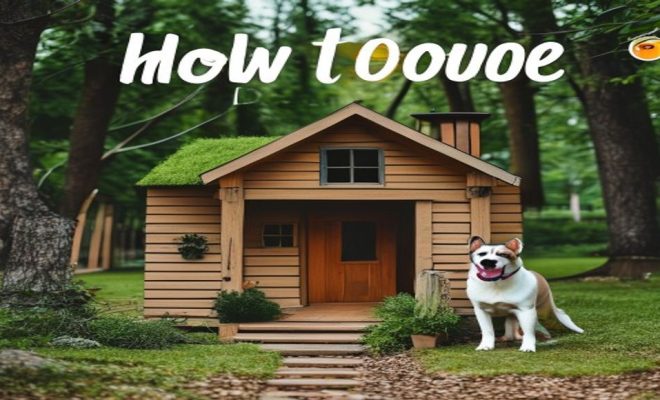
Looking for inspiration? Check out some innovative dog house designs that have gained popularity. For instance, some homeowners have built stylish dog houses resembling mini versions of their own homes, complete with front porches and decorative roofing. Others have opted for modern designs with clean lines and large windows, combining form and function beautifully.
You might also find dog houses with integrated features like dog runs or play areas attached. These designs not only serve as a shelter but also provide a safe space for your dog to play and exercise. Consider browsing platforms like Pinterest or Instagram for fresh ideas.
16. Understanding Dog House Regulations and Permissions
Before you build your dog house, it’s important to be aware of any local regulations or permissions you might need. Some cities or municipalities have zoning laws that dictate the size, placement, and even construction materials for outdoor structures, including dog houses. Checking with your local building department can save you time and potential fines.
Moreover, homeowners’ associations (HOAs) may have specific guidelines regarding external constructions. It’s a good idea to familiarize yourself with these rules to ensure your dog house complies with community standards. This way, you can avoid any conflicts with neighbors and maintain a good relationship in the community.
17. Seasonal Considerations for Dog House Plans
As seasons change, so do the needs of your dog house. In winter, insulation becomes paramount, and you might want to add a flap door to keep out drafts. It’s also a good idea to provide a thick layer of bedding, like straw or a thermal dog bed, to keep your dog warm. (See: New York Times on dog house designs.)
During summer, focusing on ventilation is key. You might consider installing mesh windows or vents that allow for airflow while keeping insects out. Shade is also essential, so placing the dog house in a naturally shaded area or adding a small awning can make a big difference in keeping your dog comfortable during hot days.
18. Advanced Dog House Features
For those looking to go above and beyond with their dog house plans, consider adding advanced features. Some dog owners have embraced smart technology in their dog houses, incorporating automatic heating and cooling systems, or even cameras to keep an eye on their pets while they’re away. These features not only enhance comfort but also add a layer of safety and peace of mind for pet owners.
Another feature to consider is a built-in feeding area that can help keep food and water fresh and clean. You might create a small feeding door that allows you to refill bowls without entering the dog house. This can help maintain cleanliness and prevent pests from being attracted to food left outside.
19. Building a Dog House for Multiple Dogs
If you have more than one dog, you might want to consider building a larger dog house that can accommodate them comfortably. When designing a multi-dog house, ensure that there are separate sleeping areas to prevent any territorial disputes. Each area should have enough room for each dog to lie down without crowding, and you may want to include separate entrances to give each dog their own space.
Additionally, you can create a shared living space in the center, where they can interact, play, and spend time together. The design should still consider proper ventilation and insulation, as multiple dogs can generate more heat and require adequate airflow.
20. DIY Dog House Kits
If building from scratch feels overwhelming, consider looking into DIY dog house kits. These kits typically come with pre-cut materials and easy-to-follow instructions, making the construction process more manageable. They can be an excellent option for beginners or those who want to ensure they get the dimensions and materials right without the hassle of starting from scratch.
Many kits also allow for personal customization, giving you the flexibility to paint or decorate the dog house to fit your style while ensuring that the structure itself is sound and safe. Look for kits that include all necessary hardware and tools to make the assembly process as straightforward as possible.
Building a dog house might seem like a daunting task, but by following these steps and customizing your dog house plans, you can create a safe and comfortable shelter for your furry friend. Remember, a well-constructed dog house not only provides protection from the elements but also shows your love and care for your pet.
“`
Trending Now
- our breakdown of a visitors guide to northshore, new zealand
- the complete explanation
- this guide on “5 evidence-based strategies to improve math fluency in middle school classrooms”
- How Nonverbal Communication Impacts Conflict Resolution
- this guide on the role of fine motor skills in kindergarten readiness and academic success
Frequently Asked Questions
What size should a dog house be for my dog?
The size of a dog house should allow your dog to stand up, turn around, and lie down comfortably. Larger breeds like Great Danes need more space compared to smaller breeds like Chihuahuas. Always consider your dog's size and breed when determining the dimensions.
What materials are best for building a dog house?
The best materials for a dog house include wood, plastic, and metal. Wooden houses are customizable but need maintenance, while plastic is lightweight and easy to clean. Ensure all materials are non-toxic and safe for your pet, opting for treated wood when possible.
How do I insulate a dog house for winter?
To insulate a dog house for winter, use insulated walls and a sloped roof to prevent snow accumulation. Additionally, consider adding bedding materials like straw or blankets for extra warmth and ensure the entrance is shielded from the wind.
What features should a dog house have for hot climates?
In hot climates, a dog house should have good ventilation and shade. Consider features like an elevated floor, adjustable vents, and a roof that provides shade to keep your dog cool and comfortable during hot weather.
How can I customize a dog house for my pet?
You can customize a dog house by selecting the right materials, adding insulation, and incorporating features that suit your dog's needs, such as a raised floor or a sloped roof. Personal touches like color and design can enhance its appeal in your backyard.
What did we miss? Let us know in the comments and join the conversation.