Asian Markets Plummet 2026 Amid Iran Tensions & Soaring Oil Prices
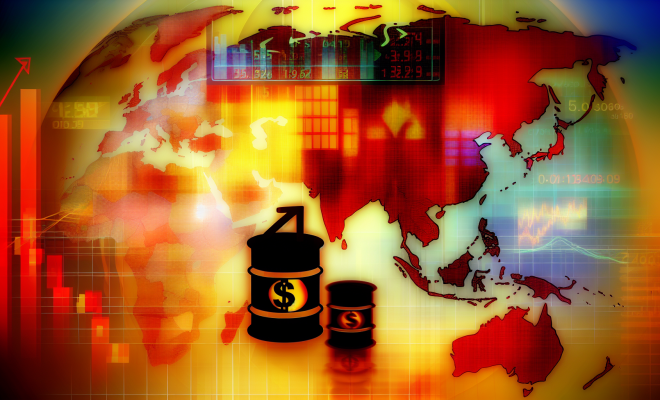
On March 23, 2026, Asian stock markets experienced a notable decline, reflecting investors’ growing concerns over geopolitical tensions in the Middle East. This downturn came in the wake of President Donald Trump’s assertive warning directed at Iran, where he threatened to “obliterate” the country’s power plants unless the critical Strait of Hormuz was reopened within a tight 48-hour window. This ultimatum has escalated fears of military conflict, prompting Tehran to issue stern threats against U.S. and Israeli assets in the region.
Market Response to Geopolitical Uncertainty
The remarks from President Trump not only rattled Asian shares but also sent oil prices soaring. U.S. benchmark crude increased by $1.76, reaching $99.99 per barrel, while Brent crude rose to $113.34 per barrel. This increase is significant, especially when compared to pre-war oil prices that hovered around $70 per barrel. The market reaction is a clear indicator of how closely tied global oil prices are to geopolitical stability in oil-rich regions like the Middle East.
Wall Street’s Reaction
Back in the United States, the impact of these developments was mirrored in the stock market. The S&P 500 index fell by 1.5%, closing at 6,506.48, while the Dow Jones Industrial Average decreased by 1%, settling at 45,577.47. The tech-heavy Nasdaq saw an even steeper drop of 2%, with a closing value of 21,647.61. Additionally, small-cap stocks reflected this negative sentiment, as the Russell 2000 index dropped 2.3%.
Context of the Tensions
The Strait of Hormuz is a vital waterway through which approximately 20% of the world’s oil supply is transported. Its strategic importance cannot be overstated, as any disruption could have far-reaching implications for global energy markets and economies. President Trump’s comments come amid ongoing tensions between the U.S. and Iran, particularly following a series of incidents attributed to Iranian-backed forces in the region.
Tehran’s response to Trump’s ultimatum was swift, with Iranian officials reiterating their readiness to protect their interests and respond to any threats against their national sovereignty. This escalation presents a complex challenge for policymakers as they balance national security concerns with the potential economic fallout of military engagement.
Investor Sentiment and Future Outlook
Investor sentiment has been significantly impacted by these developments. The fear of rising oil prices, combined with the potential for military conflict, has led many to adopt a cautious approach. Analysts warn that sustained high oil prices could exacerbate inflationary pressures globally, making it more difficult for central banks to manage economic growth.
- Geopolitical Risks: Heightened tensions in the Middle East can lead to sudden spikes in oil prices, affecting global markets.
- Inflationary Concerns: Rising oil prices contribute to overall inflation, complicating monetary policy decisions.
- Market Volatility: Ongoing geopolitical uncertainties often lead to increased market volatility, prompting investors to reconsider their positions.
What Lies Ahead?
As the situation develops, investors will be closely monitoring any further statements from both U.S. and Iranian officials. The potential for diplomatic negotiations remains, although trust levels are low following years of heightened tensions and intermittent conflicts. Analysts suggest that the best-case scenario would involve a de-escalation of rhetoric and a return to dialogue, which could stabilize both oil prices and global markets.
In conclusion, the recent comments by President Trump have triggered a significant response in both Asian and U.S. markets, underscoring the intricate link between geopolitical events and economic stability. As investors brace for potential implications, the coming days will be crucial in determining whether tensions will subside or escalate further, impacting not only oil prices but also global economic conditions.