Why This Shocking Global Stock Market Plunge Could Signal a Major Economic Shift
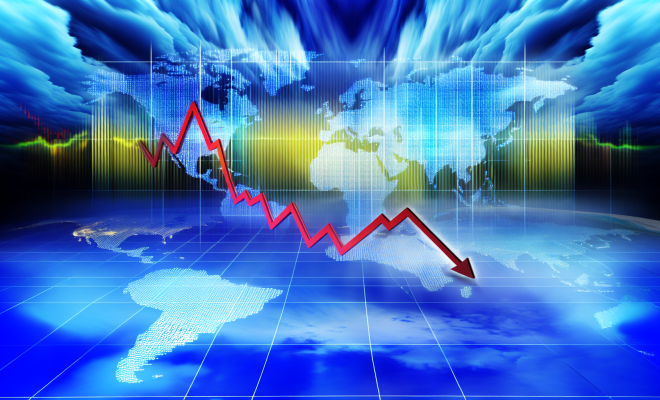
In an unexpected turn of events, major global stock indices have experienced one of their most significant declines in recent years. On May 8-9, 2026, the S&P 500, FTSE, and DAX all plummeted by over 8%, marking their worst week in two years. This global stock market plunge has sent shockwaves through the financial community and left investors scrambling to reassess their strategies.
The Catalyst Behind the Decline
The catalyst for this drastic market shift was the hawkish stance taken by key central banks, notably the Federal Reserve, European Central Bank (ECB), and the Bank of England (BoE). These institutions have long been seen as the guardians of economic stability, but their recent pronouncements have raised alarm bells among investors.
On the critical dates mentioned, these central banks emphasized their ongoing concerns regarding persistent inflation. They indicated that they might pursue aggressive interest rate hikes in the range of 75-100 basis points over the next two quarters. This was a stark departure from the market’s expectations, which had leaned towards potential rate cuts. The sudden about-face caught many by surprise, leading to a massive sell-off across global markets.
The Reaction from Investors
The immediate reaction from the investing community has been frantic. Searches for terms like ‘recession 2026’ and ‘market crash’ surged by an astonishing 450% within just 48 hours following the announcement. This spike in interest reflects a growing sense of unease and urgency among investors. Many are now scrambling to secure safe-haven assets and strategies to protect their portfolios against further declines.
Safe-Haven Assets in High Demand
In times of economic uncertainty, investors typically flock to safe-haven assets. Traditionally, gold, government bonds, and certain currencies like the US dollar perform well during periods of market volatility. The current situation is no exception, as these assets have experienced increased demand.
- Gold: Often viewed as a store of value, gold prices have seen an uptick as investors seek to hedge against inflation and currency devaluation.
- Government Bonds: With the prospect of rising interest rates, bonds may offer a more stable return compared to equities in the current climate.
- U.S. Dollar: The dollar is perceived as a safe haven, leading to increased demand and a stronger exchange rate against other currencies.
Social Media and Investor Sentiment
The volatile market conditions have also ignited widespread panic on social media. Financial influencers and economists have taken to platforms like Twitter and Instagram to express their views, leading to intense discussions about the implications of this global stock market plunge.
This surge of commentary has created a climate of fear and uncertainty, with many investors feeling the pressure of missing out on potential recovery opportunities (FOMO). The emotional responses from both amateur and professional investors could further exacerbate volatility as sentiments shift rapidly.
What This Means for the Economy
The implications of this global stock market plunge extend beyond the immediate financial landscape. The aggressive rate hikes signaled by central banks suggest a commitment to combating inflation, which could have several longer-term impacts:
- Slower Economic Growth: Higher interest rates typically cool down economic activity, as borrowing costs rise for individuals and businesses.
- Impact on Consumer Spending: As interest rates climb, consumers may reduce spending on big-ticket items, which could lead to a slowdown in various sectors.
- Investment Shifts: Companies may delay or scale back investments due to increased financing costs, further slowing growth.
Analysts Weigh In
Financial analysts are divided on how to interpret the central banks’ actions and their potential effects on the broader economy. Some believe that the aggressive rate hikes are necessary to rein in inflation and stabilize the economy, while others caution that such measures could lead to a recession.
One prominent economist noted, “Central banks are walking a tightrope. They must balance the need to control inflation with the risk of stalling economic growth. The recent global stock market plunge may be indicative of underlying tensions that could bubble to the surface in the coming months.”
How Investors Can Navigate This Environment
In light of this significant market upheaval, investors are advised to reevaluate their strategies and consider several key factors:
- Diversification: Maintaining a diversified portfolio can help mitigate risks associated with market volatility.
- Focus on Fundamentals: Investors should consider the underlying fundamentals of their investments rather than reacting purely to market sentiment.
- Stay Informed: Keeping abreast of economic indicators and central bank policies can provide valuable insights into potential market movements.
The Future Outlook
As we move forward, the trajectory of the global economy remains uncertain. The actions of central banks will play a crucial role in shaping market conditions and investor sentiment. While some analysts maintain an optimistic outlook, suggesting that the markets could rebound as central banks stabilize their policies, others warn that the current environment could lead to prolonged economic challenges.
Ultimately, this global stock market plunge serves as a reminder of the interconnectedness of global economies and the complexities of monetary policy. In a world where information travels rapidly and investor sentiment can shift on a dime, the ability to adapt and respond to changing conditions is more critical than ever.
Conclusion
The global stock market plunge witnessed in early May 2026 serves as a crucial juncture in the ongoing narrative of economic recovery and growth. As central banks signal aggressive interest rate hikes, investors must navigate a landscape fraught with uncertainty and volatility. By staying informed, diversifying portfolios, and focusing on long-term fundamentals, they can better position themselves to weather the storms that may lie ahead.