Coffee Crisis 2026: Climate Change Brews Price Surge
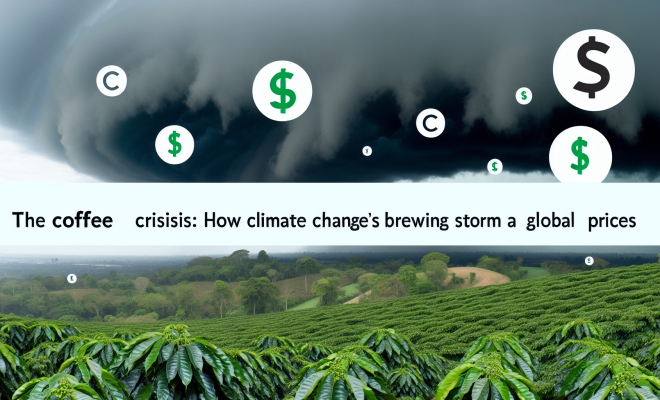
The Rising Tide of Coffee Prices
Global coffee prices have surged dramatically, reaching a staggering 40% increase as the climate crisis wreaks havoc on major coffee-growing regions. Coffee futures have hit a 15-year high, with arabica bean prices soaring to $2.85 per pound, up from $2.03 just three months ago. This alarming trend is largely attributed to severe drought conditions affecting Brazil, Vietnam, and Colombia—countries that together account for approximately 60% of the world’s coffee production.
The Climate Crisis and Its Impact
The climate crisis is not a distant threat; it is a present-day reality impacting agricultural sectors worldwide. For coffee, a crop sensitive to temperature and moisture levels, the ramifications of climate change are particularly acute.
Major Coffee-Producing Regions Under Threat
- Brazil: As the largest coffee producer in the world, Brazil is facing unprecedented drought conditions that threaten its coffee yields.
- Vietnam: Known for its robusta beans, Vietnam is also grappling with similar climatic challenges, affecting both quality and quantity.
- Colombia: The third-largest producer, Colombia, is experiencing erratic weather patterns that disrupt traditional growing cycles.
According to the International Coffee Organization, these droughts are leading to decreased crop yields, which could significantly impact the global supply chain for the 2026-2027 season. The potential for further price increases looms large if weather conditions do not improve.
Consumer Impact: What to Expect at the Coffee Shop
The ripple effects of rising coffee prices will inevitably reach consumers across the globe. Industry analysts project that retail coffee prices could increase by as much as 15-25% within the next six months. This price hike will affect various sectors of the coffee market:
- Specialty Coffee Shops: Small businesses that thrive on serving high-quality coffee may face increased costs, potentially passing those costs on to consumers.
- Instant Coffee Products: Even instant coffee, a staple for many households, will likely see price adjustments, impacting consumers who rely on affordability.
- Global Coffee Supply Chains: As prices rise, supply chains may experience disruptions, leading to further uncertainty in product availability.
The Role of Climate Adaptation Strategies
The increasing volatility in coffee prices underscores the urgent need for effective climate adaptation strategies. Agricultural experts emphasize that without intervention, the coffee industry may face dire consequences.
Investment in Drought-Resistant Varieties
One crucial strategy is investing in drought-resistant coffee varieties. Breeding programs that focus on developing resilient coffee plants can help stabilize yields in regions that are experiencing extreme weather.
Water Management Practices
Implementing efficient water management practices is also vital. Techniques such as rainwater harvesting and drip irrigation can conserve water and improve crop resilience.
Agroforestry and Sustainable Practices
Promoting agroforestry and sustainable farming practices can enhance biodiversity, improve soil health, and create more resilient coffee-growing systems. These practices not only benefit farmers but also help mitigate the impacts of climate change.
Global Responses and Initiatives
Various organizations and governments are beginning to recognize the importance of addressing climate change’s impact on coffee production. Initiatives aimed at supporting farmers and investing in sustainable practices are gaining momentum.
The Role of the International Coffee Organization
The International Coffee Organization (ICO) plays a pivotal role in facilitating dialogue and cooperation among coffee-producing countries. Their efforts focus on promoting sustainability and helping farmers adapt to changing climatic conditions.
Local Government Initiatives
Local governments in coffee-producing regions are also taking action. Programs aimed at providing financial support for farmers to transition to sustainable practices are crucial for long-term resilience.
Consumer Awareness and Responsibility
As consumers, being aware of the challenges facing the coffee industry can lead to more responsible purchasing decisions. Supporting brands that prioritize sustainability can help drive positive change within the industry.
Choosing Sustainable Brands
- Look for Certifications: Seek out brands that are certified organic, Fair Trade, or Rainforest Alliance Certified, as these certifications often indicate sustainable practices.
- Support Local Roasters: Local coffee roasters who source beans responsibly can foster direct relationships with farmers, ensuring fair pricing and ethical practices.
- Educate Yourself: Understanding the complexities of coffee production can empower consumers to make informed choices.
Conclusion
The surge in global coffee prices is a stark reminder of the interconnectedness of climate change and agriculture. As severe droughts threaten major coffee-producing regions, the potential for rising prices and reduced availability looms large. By understanding these dynamics, supporting sustainable practices, and advocating for climate adaptation strategies, we can all play a role in securing the future of coffee.
As the industry navigates these challenging waters, collaboration between farmers, consumers, and organizations will be essential in ensuring a stable and sustainable coffee supply for generations to come.