Unlocking Creativity: The Profound Impact of Drawing on Child Brain Development
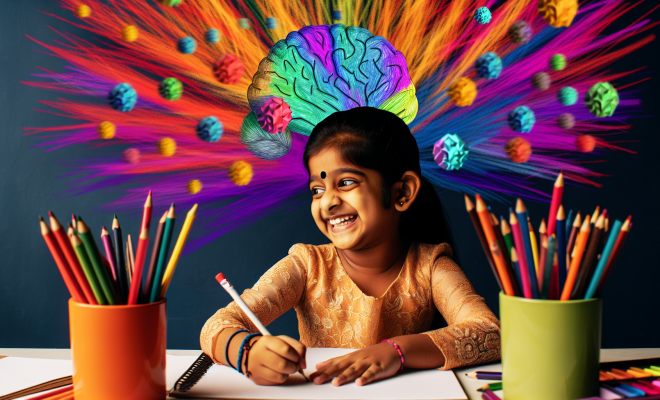
In an era where technology often dominates children’s activities, the timeless art of drawing remains a powerful tool for nurturing young minds. Recent research underscores the significance of drawing in fostering various aspects of brain development in children. This article delves into six research-backed benefits of drawing that can aid in enhancing children’s cognitive, emotional, and motor skills.
1. Enhanced Fine Motor Skills
One of the most immediate benefits of drawing is its ability to enhance fine motor skills. Fine motor skills involve the coordination of small muscles in the hands and fingers, which are crucial for various tasks ranging from writing to buttoning shirts. Engaging in drawing activities encourages children to practice these skills in a fun and creative way.
As children hold crayons, pencils, or paintbrushes, they develop control over their hand movements. This practice contributes to their ability to perform everyday activities with greater ease and confidence. Additionally, improved fine motor skills lay a strong foundation for later academic skills, particularly in writing.
2. Improved Cognitive Functions
Drawing is not merely a creative outlet; it is also a cognitive exercise that stimulates various brain functions. Engaging in drawing helps children develop crucial cognitive skills such as problem-solving, critical thinking, and creativity.
When children draw, they often face challenges that require them to think critically. For instance, deciding how to represent a particular object or scene encourages them to analyze shapes, colors, and proportions. This problem-solving aspect of drawing nurtures their ability to think outside the box and approach challenges with a creative mindset.
Creativity Unleashed
Moreover, drawing allows children to express their unique perspectives and ideas. This creative expression is vital for their cognitive development, as it encourages them to explore different concepts and think divergently. Research indicates that fostering creativity in childhood can lead to enhanced innovation and adaptability in adulthood.
3. Better Emotional Expression
Artistic activities like drawing provide an exceptional platform for emotional expression. Children often struggle to articulate their feelings verbally, making drawing a valuable tool for emotional communication. When they put pencil to paper, they can express complex emotions such as joy, sadness, anger, or fear through their artwork.
This form of expression promotes emotional intelligence by helping children recognize and understand their feelings. It also fosters empathy, as they learn to interpret the emotions of others through their drawings. Encouraging children to draw their feelings can be a cathartic experience, providing them with a safe outlet for their emotions.
Building Resilience
Furthermore, drawing can also aid in building resilience. When children encounter challenges in their artwork, such as a mistake or a failed attempt to depict something, they learn valuable lessons about perseverance and adaptability. Overcoming these hurdles fosters a growth mindset, which is essential for emotional resilience.
4. Strengthened Focus and Attention
In today’s fast-paced world, the ability to focus and maintain attention is more important than ever. Drawing requires children to concentrate on the task at hand, which helps improve their attention span over time. As they immerse themselves in the creative process, they learn to block out distractions and engage deeply with their artwork.
This enhanced focus can translate into improved performance in academic settings. Research indicates that children who engage in creative activities like drawing tend to show better attention control, which is essential for concentration in school tasks.
5. Boosted Memory Skills
Drawing can also play a pivotal role in enhancing memory skills. The act of drawing involves recalling information and translating it into visual representations, which strengthens memory retention. When children draw, they often rely on their memory to recreate shapes, colors, and scenes, thereby reinforcing their ability to remember details.
Furthermore, drawing can serve as an effective learning tool. For instance, children who draw pictures related to a story they’ve read or a concept they’ve learned are more likely to remember the information. This multi-sensory approach to learning not only makes it enjoyable but also significantly enhances their overall retention.
Visual Learning
Incorporating drawing into educational activities can cater to visual learners, who benefit from seeing information represented visually. By allowing children to illustrate concepts, parents and educators can create a more engaging learning environment that promotes better understanding and recall of information.
6. Social Skills and Collaboration
Lastly, drawing can foster social skills and collaboration among children. When children engage in drawing activities together, whether in a classroom or at home, they learn to share ideas, give feedback, and work collaboratively on projects. This interaction not only enhances their social skills but also teaches them the value of teamwork.
Group drawing activities encourage communication and negotiation as children discuss their ideas and preferences. These social interactions are essential for developing interpersonal skills that will benefit them throughout their lives.
Creating a Supportive Environment
Parents can nurture these social skills by encouraging group drawing sessions with friends or family. Setting up collaborative art projects can create opportunities for children to bond while expressing their creativity. This shared experience can lead to deeper relationships and promote a sense of community.
Conclusion
As parents, recognizing the myriad benefits of drawing for child brain development is crucial. From enhancing fine motor skills to fostering emotional expression and boosting cognitive functions, drawing is an accessible and enjoyable activity that supports overall neurological growth. By encouraging regular drawing sessions, parents can help their children unlock their creativity and build essential skills that will serve them well throughout their lives.
Incorporating drawing into everyday routines can be as simple as setting aside time for doodling or engaging in themed art projects. The key is to provide children with a variety of materials and opportunities to express themselves freely. As research continues to unveil the extensive benefits of drawing, it becomes increasingly clear that this simple act can play a powerful role in shaping the minds of future generations.