Texas Teen Girls’ Mental Health Crisis: A Call to Action
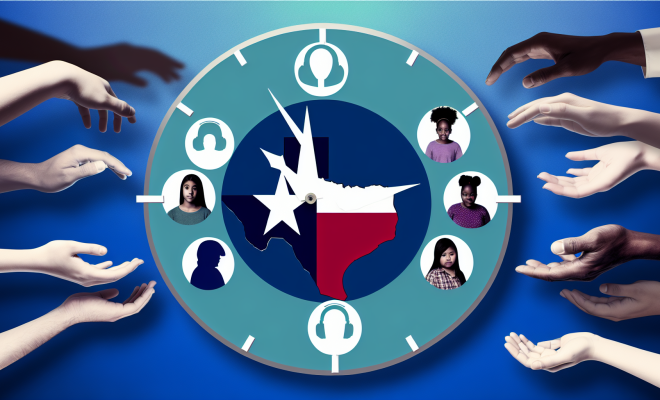
The mental health landscape for adolescents has become increasingly concerning, particularly among teenage girls in Texas. A recent report published by the Girl Scouts of the USA and the Girl Scouts of Northeast Texas provides a stark view of the growing mental health struggles faced by this demographic. With nearly 3 in 5 teen girls in Texas reporting feelings of persistent sadness or hopelessness, the findings underscore a critical need for immediate attention and intervention.
Understanding the Scope of the Problem
The alarming statistics presented in the report highlight a troubling trend: while many teenage girls are grappling with significant mental health challenges, a disproportionately small number are receiving the help they need. This gap in support can lead to severe consequences, including the potential escalation into self-harm or other risky behaviors.
Key Findings from the Report
- Prevalence of Sadness: Nearly 60% of teenage girls in Texas experience persistent feelings of sadness or hopelessness.
- Low Rates of Professional Help: A significant percentage of these girls do not access professional mental health services.
- Expert Recommendations: Mental health experts emphasize the importance of creating safe spaces for discussion and recognizing the signs of distress.
The Importance of Non-Judgmental Environments
According to mental health expert Katie Harlan, fostering a non-judgmental environment is crucial for encouraging teenage girls to express their feelings. When young individuals feel safe to articulate their emotions without fear of repercussion or misunderstanding, it becomes easier for them to seek help and support.
Recognizing Signs of Distress
Parents, educators, and peers play a pivotal role in identifying when a teenage girl is struggling. Signs to watch for include:
- Withdrawal: A noticeable decrease in social interactions or desire to engage with friends and family.
- Changes in Sleep Patterns: Insomnia or excessive sleeping can be strong indicators of mental distress.
- Loss of Interest: A lack of enthusiasm for activities that were once enjoyable can signal deeper emotional issues.
Parental Involvement: A Key Component
To combat the rising mental health challenges faced by teenage girls, parental involvement is essential. The report encourages parents to engage with their daughters through open-ended questions, which can facilitate more in-depth conversations about their emotional well-being.
Effective Communication Strategies
- Ask Open-Ended Questions: Instead of yes/no questions, encourage dialogue with prompts like, “How was your day?” or “What’s been on your mind lately?”
- Listen Actively: Show genuine interest in their responses, validating their feelings and experiences.
- Be Present: Create opportunities for regular check-ins, showing your child that their emotions matter.
Utilizing Available Resources
Another vital aspect of addressing the mental health crisis among teenage girls is accessing available resources. School counselors and community mental health services can provide crucial support and interventions.
How to Access Help
- School Counselors: Encourage your child to visit the school counselor for support and guidance.
- Community Resources: Research local mental health organizations that offer counseling and educational programs.
- Hotlines: Utilize mental health hotlines for immediate support and guidance.
The Role of Schools in Supporting Mental Health
Schools are uniquely positioned to play a significant role in the mental health of their students. By incorporating mental health education into the curriculum and providing resources, schools can help reduce stigma and encourage students to seek help.
Implementing Mental Health Programs
- Education and Awareness: Teach students about mental health, emphasizing its importance and normalizing conversations about feelings.
- Peer Support Programs: Create peer-led initiatives where students can support each other in a safe environment.
- Professional Development: Train teachers and staff to recognize signs of mental health struggles and how to approach students in need.
Community Initiatives and Support Networks
Beyond schools and families, community initiatives can provide essential support systems for teenage girls facing mental health challenges. Local organizations can create programs tailored to the needs of young women, offering resources and a sense of belonging.
Examples of Community Support Initiatives
- Support Groups: Establish support groups specifically for teenage girls, allowing them to share their experiences and coping strategies.
- Workshops and Seminars: Host events that focus on mental health awareness, self-esteem building, and coping mechanisms.
- Partnerships with Mental Health Professionals: Collaborate with psychologists and counselors to provide workshops and resources for teens and parents.
The Importance of Early Intervention
The data from the report emphasizes that early intervention can significantly alter the trajectory of a young person’s mental health journey. Addressing issues before they escalate can prevent long-term consequences and facilitate healthier coping mechanisms.
Strategies for Early Intervention
- Regular Check-Ins: Maintain regular communication with your child about their feelings and experiences.
- Encourage Healthy Coping Mechanisms: Promote activities such as exercise, journaling, or art as outlets for emotions.
- Seek Professional Help Early: If signs of distress are evident, do not hesitate to consult a mental health professional.
Conclusion: A Collective Responsibility
The findings of the Girl Scouts report serve as a wake-up call for parents, educators, and communities across Texas. With nearly 60% of teen girls experiencing significant mental health struggles, it is imperative that we come together to create supportive environments and accessible resources. By fostering open communication, utilizing available support systems, and prioritizing mental health education, we can make a difference in the lives of young girls battling these challenges.
As we move forward, it is essential to recognize that addressing mental health is not solely the responsibility of healthcare professionals; it is a collective responsibility that requires the involvement of families, schools, and communities. Together, we can work towards a future where every teenage girl feels heard, supported, and valued, ultimately leading to healthier and happier lives.