How to add windshield washer fluid
“`html
Your windshield plays a crucial role in your driving safety. It acts as a barrier against wind, rain, debris, and harmful UV rays. But what happens when your view is obstructed by dirt or grime? That’s where windshield washer fluid comes into play. Understanding how to add windshield washer fluid not only keeps your view clear but is also a simple maintenance task that you can do yourself. In this guide, we’ll walk you through everything you need to know about adding windshield washer fluid, from the basics to practical tips and common pitfalls.
1. What Is Windshield Washer Fluid?
Windshield washer fluid is a specialized liquid designed to clean your car’s windshield. It’s not just plain water; it contains a blend of detergents, antifreeze agents, and alcohol that helps to break down dirt, grime, and even bug splatters. The detergent lifts the dirt, while the antifreeze prevents the fluid from freezing in colder climates—an essential feature during winter.
Most washer fluids are tinted blue or green for easy identification. While you might be tempted to use plain water, it’s crucial to note that water alone can freeze and may not clean effectively, especially if you live in an area with harsh weather conditions. Understanding what’s in windshield washer fluid prepares you to make better choices when it comes time to refill.
2. Why Is It Important to Keep Your Washer Fluid Full?
Driving with an empty or nearly empty washer fluid reservoir can lead to dangerous situations. If your windshield gets dirty—whether from dirt kicked up by other vehicles, bird droppings, or salt during winter—you won’t be able to clean it effectively, compromising your visibility. This lack of visibility can lead to accidents, putting you and other road users at risk.
Regularly checking and refilling your windshield washer fluid is an essential part of vehicle maintenance. Some experts recommend checking your fluid levels each time you fill up your gas tank. Keeping your reservoir full ensures that you won’t find yourself in a bind when you need to clean your windshield most.
3. How to Check Your Windshield Washer Fluid Level
Before you can add windshield washer fluid, you first need to check the current level. Most vehicles have a transparent reservoir located near the engine bay, making it simple to spot. Look for a plastic tank with a cap that often has a windshield icon on it.
To check the fluid level, simply look at the side of the reservoir. If the fluid level is below the minimum line, it’s time to add more. Some vehicles have a dipstick within the reservoir to gauge fluid levels. If your vehicle has this feature, pull it out, wipe it clean, and reinsert it to check the level again.
4. Choosing the Right Windshield Washer Fluid
Not all windshield washer fluids are created equal. Depending on where you live, you might need specific types of fluid. For example, in colder climates, you might opt for washer fluid with antifreeze components to prevent freezing. In contrast, if you live in a warmer area, a standard detergent-based washer fluid might suffice.
Additionally, consider the specific formulations available on the market. Some fluids are designed for heavy-duty cleaning and can tackle stubborn grime effectively. Others have added features like rain-repellent ingredients, which can enhance visibility during rainy conditions. Always read the label to ensure the fluid meets your vehicle’s needs.
5. Steps on How to Add Windshield Washer Fluid
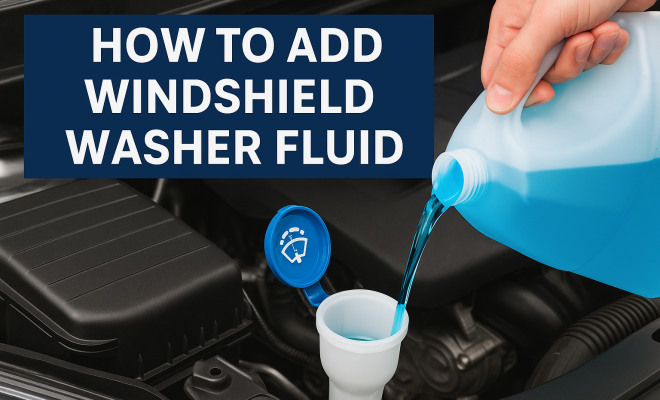
Adding windshield washer fluid is a straightforward process that you can do in a matter of minutes. Here’s a step-by-step guide: (See: Wikipedia on windshield washer fluid.)
- Gather Your Supplies: You’ll need a bottle of windshield washer fluid and a funnel (optional but recommended).
- Locate the Reservoir: Open your vehicle’s hood and find the washer fluid reservoir. It usually has a blue or yellow cap marked with a windshield icon.
- Remove the Cap: Twist or pull off the cap to expose the opening of the reservoir.
- Add the Fluid: Pour the windshield washer fluid into the reservoir. If you’re using a funnel, place it in the opening to avoid spills.
- Replace the Cap: After filling, securely replace the cap to prevent any contamination.
That’s it! You’ve just learned how to add windshield washer fluid successfully.
6. Common Mistakes When Adding Washer Fluid
While adding windshield washer fluid seems simple, there are common mistakes that many drivers make. One frequent error is using the wrong type of fluid. As noted earlier, using plain water or the wrong washer fluid can lead to freezing or ineffective cleaning.
Another common mistake is overfilling the reservoir. If you pour too much fluid, it can overflow and cause spills that may damage other components in the engine bay. Always adhere to the max fill line to avoid this issue. Lastly, be sure to properly replace the cap after adding the fluid to prevent contamination or evaporation.
7. When to Replace Your Washer Fluid
Knowing when to replace your windshield washer fluid is essential for maintaining optimal visibility. As a rule of thumb, replace your washer fluid at least once a season, especially if you live in an area with harsh weather conditions. If you notice that the fluid is dirty or smells off, it’s time to swap it out.
Keep an eye on how often you need to refill the reservoir as well. If you’re using the washer fluid frequently due to heavy use, consider a more robust cleaner or a mixture that suits your driving conditions. It’s not just about keeping your windshield clean; it’s about ensuring your safety on the road.
8. DIY Alternatives to Commercial Washer Fluid
If you find yourself in a pinch and don’t have commercial windshield washer fluid available, several DIY alternatives can suffice until you can refill properly. A common mixture is one part distilled water to one part white vinegar. This combination can effectively clean the windshield without freezing in moderate temperatures.
Another recipe includes mixing water with a few drops of dish soap. However, be cautious with the soap; too much can create excessive suds that may obstruct your view. If you live in colder climates, consider adding rubbing alcohol to your mixture to prevent freezing. DIY solutions can be a cost-effective and quick fix but should only be a temporary solution until you can purchase proper fluid.
9. Environmental Considerations
As you consider how to add windshield washer fluid, it’s also essential to think about environmental impact. Many commercial washer fluids contain chemicals that can be harmful to the environment. When disposing of old fluid or spills, ensure you’re following local regulations regarding hazardous waste.
Consider looking for eco-friendly washer fluids designed to minimize environmental impact while still providing effective cleaning capabilities. These products typically use biodegradable ingredients and are less harmful to aquatic life, making them a sustainable choice for conscientious drivers.
10. Final Thoughts
Knowing how to add windshield washer fluid is more than just a maintenance task; it’s a crucial aspect of vehicle safety. Regularly checking and refilling your washer fluid ensures that you can maintain clarity during adverse weather conditions, which is vital for safe driving.
So next time you stop for gas, take a moment to check your windshield washer fluid levels. With the right knowledge, you can keep your windshield clean, your view clear, and your driving experience safe. Don’t overlook the little things—they can make all the difference on the road. (See: NHTSA on windshield washers and safety.)
11. Signs You Need Windshield Washer Fluid
It’s easy to forget about windshield washer fluid until you need it. Here are some signs that you might be running low:
- Streaky or Dirty Windshield: If you notice that the washer fluid doesn’t clear the dirt, it may be time to refill.
- Low Warning Light: Some vehicles come equipped with a warning light that activates when washer fluid is low.
- Fluid Not Dispensing: If you press the washer button and no fluid sprays, it’s likely empty.
12. What to Do if Your Windshield Washer Fluid Freezes
If you live in a colder climate, you might experience issues with your windshield washer fluid freezing. If you find that your fluid is frozen, follow these steps:
- Park Indoors: If possible, park your vehicle in a garage or a warmer area to allow the fluid to thaw.
- Use Heated Settings: Turn on your vehicle’s defroster, which may help warm the windshield and the fluid.
- Replace with Antifreeze Fluid: Consider using a washer fluid with antifreeze properties to avoid this issue in the future.
13. Frequently Asked Questions
What can I use as a windshield washer fluid substitute?
Common substitutes include a mixture of distilled water and white vinegar or a small amount of dish soap diluted in water. However, use these only in emergencies and switch back to proper fluid as soon as possible.
How often should I check my washer fluid level?
It’s a good practice to check your washer fluid level every time you fill up your gas tank. Regular checks can help ensure you never run out unexpectedly.
Can I mix different brands of washer fluid?
It’s generally not recommended to mix different brands or types of washer fluid, as chemical reactions between them might lead to poor performance. Stick to one brand for consistency.
Is it safe to use water in the windshield washer reservoir?
While water can be used temporarily, it’s not ideal because it can freeze and may not clean effectively. Long-term use of water can also lead to algae or bacteria growth in the reservoir.
What should I do if my windshield washer pump is not working?
If your washer pump isn’t working, check the fuse and the connections first. If those are fine, it may need to be replaced or serviced by a professional.
Are there eco-friendly windshield washer fluids available?
Yes, many brands now offer eco-friendly washer fluids that use biodegradable ingredients and are less harmful to the environment. Check your local auto parts store or online retailers for options.
14. Signs Your Windshield Washer System Needs Maintenance
Just like any other system in your vehicle, your windshield washer system might experience issues over time. Here are some common signs that indicate your washer system might need maintenance: (See: CDC on motor vehicle safety.)
- Poor Spray Pattern: If the fluid is spraying unevenly or in a weak stream, the nozzles may be clogged or misaligned.
- Fluid Leaks: If you notice fluid pooling under your vehicle, this could indicate a leak in the reservoir or the tubing. It’s essential to address this as soon as possible.
- Strange Noises: If you hear unusual noises when activating the washer pump, it could mean that the pump is struggling to operate, and it may need replacing.
15. Common Questions About Windshield Washer Fluid
What happens if I put the wrong fluid in my washer reservoir?
Using the wrong fluid can lead to a variety of issues, including reduced cleaning efficiency and potential damage to the washer system. For example, using plain water can freeze and lead to clogged lines.
Can windshield washer fluid go bad?
Yes, windshield washer fluid can degrade over time, especially if it’s exposed to extreme temperatures. Always check the expiration date and consider replacing it if it has been sitting for a long time.
How do I clean my windshield washer nozzles?
If your nozzles are clogged, you can clean them by using a pin or a small needle to gently clear the blockage. Be careful not to damage the nozzle while doing this.
Is it necessary to use specialized washer fluid for heavy-duty cleaning?
If you frequently deal with severe grime, bugs, or other tough residues on your windshield, then using a specialized washer fluid can significantly improve performance. These formulas are designed to tackle tough challenges.
What should I do if my windshield washer warning light comes on?
When the warning light activates, check your washer fluid level immediately. If it’s low, refill it. If the light remains on after refilling, there might be an issue with the sensor or the washer system that needs to be diagnosed by a mechanic.
16. Additional Tips for Maintaining Your Windshield Washer System
Maintaining your windshield washer system goes beyond just adding fluid. Here are a few additional tips:
- Regular Inspections: Regularly inspect the washer fluid reservoir and hoses for any signs of wear, cracks, or leaks. Catching these issues early can save you from more significant problems later.
- Use Quality Fluid: Invest in a quality windshield washer fluid that suits your driving conditions. This not only enhances visibility but also protects the system.
- Seasonal Preparation: Before winter, switch to a fluid that has antifreeze properties. In the spring, consider a formula designed for bug cleaning as the weather warms up.
17. Conclusion
By understanding how to add windshield washer fluid and how to maintain the proper levels, you’re taking a proactive step in ensuring your safety and clarity on the road. Whether you’re facing the grime of summer or the ice of winter, having effective washer fluid is vital. Equip yourself with the right knowledge, and don’t hesitate to make this simple maintenance task part of your regular routine.
“`
Trending Now
Frequently Asked Questions
What is windshield washer fluid made of?
Windshield washer fluid is a specialized liquid that contains a blend of detergents, antifreeze agents, and alcohol. These components work together to break down dirt, grime, and bug splatters, while the antifreeze prevents the fluid from freezing in cold weather.
How do I know if my windshield washer fluid is low?
You can check the windshield washer fluid level by locating the reservoir under the hood of your vehicle. Many cars have a transparent reservoir with a fill line indicator. If the fluid is below this line, it's time to refill.
Can I use water instead of windshield washer fluid?
While you might be tempted to use plain water, it's not recommended. Water can freeze in cold weather and may not clean effectively, leaving dirt and grime on your windshield. It's best to use a proper windshield washer fluid for optimal results.
How often should I check my windshield washer fluid?
It's advisable to check your windshield washer fluid levels regularly, ideally each time you fill up your gas tank. This ensures that you always have enough fluid available to maintain clear visibility while driving.
What happens if I run out of windshield washer fluid?
Running out of windshield washer fluid can lead to dangerous driving conditions. Without the ability to clean your windshield, dirt and debris can obstruct your view, increasing the risk of accidents. Regularly checking and refilling is essential for safe driving.
What did we miss? Let us know in the comments and join the conversation.