Brush Your Cat’s Teeth: Prevent Painful Dental Disease
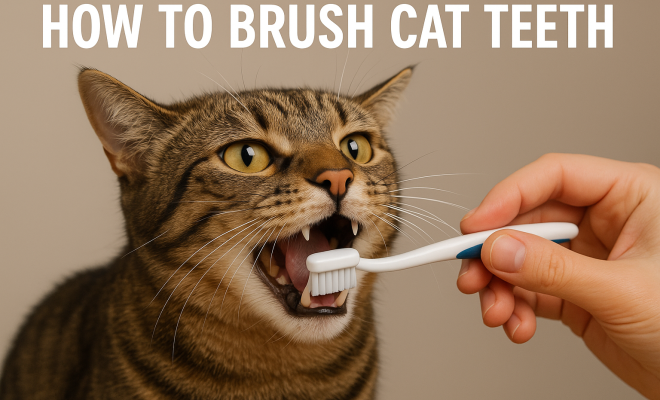
When you picture the pinnacle of feline independence, you probably imagine a cat self-sufficiently grooming itself, perhaps hunting a phantom mouse, or simply ignoring your existence from a sunbeam. What you likely don’t envision is a tiny toothbrush disappearing into its mouth. Yet, here we are, talking about cat teeth brushing – a practice that, while seemingly absurd to some, is absolutely crucial for your furry friend’s long-term health. It’s not just about fresh breath; it’s about preventing a cascade of painful, expensive, and potentially life-threatening issues.
Dental disease in cats is far more common than most owners realize, affecting as many as 70-90% of felines by the age of three. Think about that for a second: the vast majority of young cats already have some form of dental trouble. This isn’t just a cosmetic problem. Plaque, that sticky film of bacteria, hardens into tartar, leading to gingivitis (inflammation of the gums). If left unchecked, this progresses to periodontitis, which can cause painful gum recession, bone loss, and even tooth loss. The bacteria from these infected mouths can then enter the bloodstream, traveling to vital organs like the heart, kidneys, and liver, causing serious systemic illness. So, while your cat might protest the idea of a toothbrush, understanding the ‘why’ behind cat teeth brushing is the first critical step toward embracing this vital routine.
1. Ignoring the Early Warning Signs: Don’t Wait for a Crisis
One of the biggest blunders many cat owners make is assuming their cat’s mouth is fine because they aren’t visibly suffering. Cats are masters of disguise when it comes to pain. Their evolutionary instincts tell them to hide weakness, making it incredibly difficult for us to spot discomfort until a problem is severe. By the time you notice foul breath, drooling, difficulty eating, or pawing at the mouth, the dental disease has likely progressed significantly, requiring more extensive and costly veterinary intervention.
Regularly lifting your cat’s lip, even if they’re not thrilled about it, can give you a heads-up. Look for redness or swelling of the gums, especially where the gum meets the tooth. Notice any yellow or brown buildup on the tooth surface, particularly on the back molars or canines. Persistent bad breath, a common but often overlooked symptom, is almost always a sign of bacterial overgrowth. Catching these subtle indicators early can make the difference between a simple cleaning and a series of extractions. Don’t underestimate the power of keen observation in preventing a dental crisis.
2. Using the Wrong Tools: Human Toothpaste is a Big No-No
It might seem convenient to just grab your own toothbrush and a dab of minty fresh paste, but this is a dangerous shortcut. Human toothpastes contain fluoride, detergents, and xylitol – all of which are toxic to cats if ingested. Since cats can’t rinse and spit like we do, they’ll swallow whatever you put in their mouths, leading to potential stomach upset, kidney damage, or worse. The bristles of a human toothbrush are also often too large and stiff for a cat’s delicate gums, potentially causing more harm than good.
The correct tools are specifically designed for felines. You’ll need an enzymatic toothpaste formulated for cats, which comes in palatable flavors like chicken, seafood, or malt. These toothpastes contain enzymes that help break down plaque, making them effective even if your cat doesn’t tolerate a perfect brushing motion. For the brush itself, opt for a small, soft-bristled cat-specific toothbrush, a finger brush that slips over your digit, or even a piece of gauze wrapped around your finger. The key is gentle effectiveness, not aggressive scrubbing.
3. Starting Too Late and Too Abruptly: Patience is a Virtue with Felines
Imagine someone suddenly shoving a strange object into your mouth without warning. You’d probably react poorly, right? Cats are no different. Trying to introduce cat teeth brushing to an adult cat who’s never experienced it, especially by force, is a recipe for disaster and can lead to a lasting aversion. This is why starting early, ideally when they are kittens, is so beneficial, as they are more adaptable to new sensations.
If you have an adult cat, the process needs to be gradual and positive. Don’t expect to accomplish a full brushing on day one. Begin by simply letting your cat lick the enzymatic toothpaste off your finger. Once they’re comfortable with that, gently rub your finger along their gums. Slowly introduce the finger brush or soft toothbrush, always keeping sessions short and ending on a positive note with praise and a treat. Multiple, very brief sessions are far more effective than one long, stressful struggle. This slow introduction builds trust and positive associations, making the routine much more manageable in the long run. (See: animal dental health guidelines.)
4. Inconsistent Routine: Brushing Once a Month Won’t Cut It
You wouldn’t brush your own teeth once a month and expect them to be healthy, so why would you expect that for your cat? Plaque begins to form within hours of eating, and it takes only 24-48 hours for it to start mineralizing into tartar, which cannot be removed by brushing alone. An inconsistent cat teeth brushing schedule is almost as ineffective as no brushing at all when it comes to preventing tartar buildup.
For optimal results, daily brushing is the gold standard. If daily isn’t feasible, aiming for at least three times a week can still provide significant benefits. The consistency helps prevent plaque accumulation and keeps the gums stimulated and healthy. Make it a part of your daily routine – perhaps after their morning meal or before their evening play session. Cats thrive on routine, and once they understand what to expect, the process often becomes much smoother. Think of it as a small, consistent investment in their long-term health.
5. Forgetting the Back Teeth: Where the Real Problems Often Hide
It’s natural to focus on the easily accessible front teeth when attempting cat teeth brushing. However, the molars and premolars at the back of the mouth are often where the most significant plaque and tartar accumulation occurs, leading to painful periodontal disease. These teeth are crucial for chewing and are more susceptible to food particle buildup due to their structure and location. If you’re only brushing the canines and incisors, you’re missing a large part of the problem.
To access the back teeth, you’ll need to gently lift your cat’s lip and angle the brush. Often, just focusing on the outer surfaces of these teeth is enough, as the cat’s tongue and saliva provide some cleaning action on the inner surfaces. A small, angled brush or a finger brush can be particularly helpful for reaching these trickier areas. Remember, you’re not trying to scrub vigorously; a gentle circular motion at the gumline is sufficient to disrupt plaque. Don’t be discouraged if it takes practice; even a partial brushing of these critical areas is better than none.
6. Lack of Positive Reinforcement: Making Brushing a Chore, Not a Treat
Cats learn through association. If cat teeth brushing is always a battle, accompanied by scolding or restraint, your cat will quickly associate the experience with stress and negativity. This makes each subsequent attempt harder and can damage your bond. Negative reinforcement simply doesn’t work with cats, especially for a routine that requires their cooperation.
Instead, focus on making the experience as pleasant as possible. Use a calm, reassuring voice. Offer high-value treats immediately after each session, even if it was just a quick lip lift. Playtime or a favorite cuddle can also serve as a reward. The goal is for your cat to see the toothbrush as a precursor to something good. If your cat is particularly resistant, consider breaking the session into even smaller steps and rewarding each tiny success. Over time, this positive association will transform a potentially stressful chore into a manageable part of their day.
7. Neglecting Professional Dental Care: Brushing Isn’t a Substitute for the Vet
Even with diligent cat teeth brushing at home, professional veterinary dental cleanings are still essential. Think of it this way: you brush your teeth every day, but you still visit the dentist for cleanings and check-ups, right? The same principle applies to your cat. Brushing prevents plaque from hardening into tartar, but once tartar has formed, it’s cemented onto the tooth surface and requires specialized tools and techniques to remove.
During a professional dental cleaning, performed under general anesthesia, your veterinarian can thoroughly examine each tooth, probe for pockets under the gumline, take dental X-rays to check for issues beneath the gum surface (like abscesses or bone loss), and scale off all plaque and tartar. They can also polish the teeth to smooth out any microscopic scratches where bacteria might cling and address any extractions or other procedures needed. Home brushing significantly reduces the frequency and intensity of these professional cleanings, but it doesn’t eliminate the need for them entirely. Regular veterinary check-ups, typically annually, will include an oral examination and help determine when a professional cleaning is necessary.
Establishing a Cat Teeth Brushing Routine: A Step-by-Step Guide
Starting a cat teeth brushing routine can feel daunting, but with patience and the right approach, it’s entirely achievable. Here’s a structured way to introduce this vital habit to your feline companion: (See: impact of dental disease in cats.)
Phase 1: Getting Acquainted with Taste and Touch
- The Taste Test (Days 1-3): Begin by letting your cat lick a tiny bit of cat-specific enzymatic toothpaste off your finger. Choose a flavor they might enjoy, like chicken or tuna. Do this once or twice a day, praising them gently. The goal is to create a positive association with the paste itself.
- Finger Fun (Days 4-7): Once they’re happily licking the paste, put a small amount on your finger and gently rub it along their gums and outer surfaces of their teeth. Focus on just a few teeth at a time, especially the canines and any easily accessible premolars. Keep sessions extremely short – 10-15 seconds at most – and follow with a treat or praise.
Phase 2: Introducing the Brush
- Brush Introduction (Week 2): After your cat is comfortable with your finger, introduce a finger brush or a very soft, small cat toothbrush. Put a pea-sized amount of toothpaste on it and let them lick it off. Then, gently try to brush just one or two teeth for a few seconds. Don’t worry about perfection; any contact is a win.
- Gradual Extension (Weeks 3-4): Slowly increase the number of teeth you brush and the duration of each session. Aim for 30 seconds to a minute, focusing on the outer surfaces of the upper and lower teeth. Remember to lift the lip gently to access the back molars.
Phase 3: Making it a Habit
- Consistency is Key (Ongoing): Once your cat tolerates brushing, establish a consistent schedule. Daily is ideal, but 3-4 times a week is a good minimum. Choose a calm time of day, perhaps when your cat is relaxed after a meal or before a nap.
- Positive Reinforcement: Always end brushing sessions with praise, a favorite treat, or playtime. This reinforces the positive association and makes your cat more cooperative for future sessions. If your cat becomes stressed, stop immediately and try again later, or shorten the session.
Alternative Dental Aids: When Brushing Isn’t an Option
While cat teeth brushing is the gold standard for at-home dental care, it’s not always feasible for every cat or every owner. Some cats simply won’t tolerate it, despite the most patient efforts. In these cases, there are several alternative dental aids that, while not as effective as brushing, can still contribute positively to your cat’s oral health. It’s important to remember that these are supplementary and generally won’t replace the need for professional veterinary cleanings entirely, especially if significant tartar has already built up.
Dental Diets
Specific veterinary dental diets are designed with larger kibble sizes and a unique fiber matrix that scrubs the tooth surface as the cat chews. This mechanical action helps reduce plaque and tartar buildup. Look for products with the Veterinary Oral Health Council (VOHC) seal of acceptance, which indicates that the product meets certain standards for plaque and/or tartar reduction. These diets can be a great option for cats who eat dry food and are resistant to brushing.
Dental Treats
Similar to dental diets, certain dental treats are formulated to help clean teeth through their texture and shape. Again, checking for the VOHC seal is crucial, as many commercial treats marketed as ‘dental’ offer little to no actual benefit. The VOHC-approved treats have been scientifically proven to reduce plaque and/or tartar. They can be a good daily supplement, especially if your cat loves treats.
Water Additives and Oral Rinses
These products contain ingredients that help reduce bacteria in the mouth or break down plaque. Water additives are simply added to your cat’s drinking water, making them very easy to administer. Oral rinses can be applied directly to the gums. While they don’t provide the mechanical scrubbing action of brushing, they can help improve breath and reduce the overall bacterial load in the mouth. Always choose products specifically formulated for cats and consult your vet before adding them to your cat’s routine.
Dental Wipes
For cats who tolerate some oral manipulation but not a full brush, dental wipes can be a good intermediate step. These textured wipes, often impregnated with plaque-fighting ingredients, can be wrapped around your finger and rubbed along the teeth and gumline. They offer a gentler approach than a brush but still provide some mechanical removal of plaque from the tooth surface.
Ultimately, the best approach for your cat’s dental health might be a combination of these methods, tailored to their individual temperament and your lifestyle. Always discuss any dental care plan with your veterinarian to ensure it’s appropriate for your cat’s specific needs and health status. They can help you determine the most effective strategy to keep your feline’s pearly whites in tip-top shape.
Understanding the Feline Mouth: A Quick Anatomy Lesson
To truly grasp why cat teeth brushing is so important, it helps to understand a bit about your cat’s mouth. Adult cats have 30 permanent teeth, a significant number packed into a relatively small space. Unlike humans, whose teeth are designed for grinding a variety of foods, cats are carnivores, and their teeth are primarily built for shearing and tearing meat. Their canines are long and pointed for piercing, and their premolars and molars have sharp, scissor-like edges. This design, while perfect for their diet, also creates nooks and crannies where food particles and bacteria can easily hide, setting the stage for plaque accumulation.
Their gums are also delicate and highly vascular, meaning they have a rich blood supply. This makes them susceptible to inflammation (gingivitis) when plaque builds up. The close proximity of the tooth roots to the jawbone also means that untreated periodontal disease can quickly lead to bone loss, weakening the jaw structure and potentially causing fractures. Knowing these anatomical facts can give you a better appreciation for the targeted approach needed for cat teeth brushing and why regular attention to their oral health is so vital.
The Cost of Neglect: Financial and Emotional Tolls
Many owners avoid cat teeth brushing or professional cleanings due to perceived cost or inconvenience. However, the financial and emotional costs of neglecting your cat’s dental health can far outweigh the preventative measures. A routine dental cleaning under anesthesia might cost a few hundred dollars, but if dental disease progresses to the point of multiple extractions, root canal therapy, or treatment for systemic infections, the bill can easily climb into the thousands. This doesn’t even account for the pain and suffering your cat endures.
Beyond the financial strain, there’s the emotional toll. Watching your beloved cat struggle to eat, lose weight, or become withdrawn due to chronic pain is heartbreaking. The guilt of knowing preventable measures could have averted this suffering can be immense. Investing time in daily cat teeth brushing and budgeting for regular veterinary dental check-ups is not just about their physical health; it’s about preserving their quality of life and your peace of mind.
Expert Perspectives on Feline Dental Health
Veterinary dentists and feline specialists consistently emphasize the critical role of home dental care. Dr. Jan Bellows, a board-certified veterinary dentist, often states that “daily home care is the single most important thing an owner can do to maintain their pet’s oral health after a professional cleaning.” This highlights that while professional cleanings are essential for removing established tartar, it’s the consistent daily effort of cat teeth brushing that truly prevents its recurrence and maintains gum health.
Organizations like the American Veterinary Dental College (AVDC) also provide extensive resources, advocating for proactive dental care. They stress that bad breath is never normal and always indicates an underlying problem. Their guidelines recommend annual oral exams and, when indicated, professional dental cleanings under anesthesia, complemented by daily home care. These expert opinions reinforce that cat teeth brushing isn’t just a suggestion; it’s a cornerstone of responsible pet ownership.
So, next time you see that tooth-brushing kit for cats at the pet store, don’t just scoff and walk by. See it as an opportunity to drastically improve your cat’s quality of life. It takes patience, consistency, and the right tools, but the payoff — a healthier, happier cat free from the silent pain of dental disease — is absolutely worth the effort. Start small, be consistent, and don’t hesitate to ask your vet for guidance. Your cat might not thank you with words, but their vibrant health will be thanks enough.
Trending Now
Frequently Asked Questions
How often should I brush my cat's teeth?
Ideally, you should brush your cat's teeth daily to prevent plaque buildup and dental disease. However, if daily brushing isn't feasible, aim for at least two to three times a week to maintain oral health and prevent serious issues.
What are the signs of dental disease in cats?
Signs of dental disease in cats include bad breath, drooling, difficulty eating, pawing at the mouth, swollen gums, and visible tartar buildup. If you notice these symptoms, it's crucial to consult your veterinarian for an evaluation.
Can I use human toothpaste on my cat?
No, you should never use human toothpaste on your cat as it contains ingredients that can be harmful to them. Instead, use a toothpaste specifically formulated for cats, which is safe for them to ingest.
Why is dental care important for cats?
Dental care is vital for cats because dental disease is common and can lead to severe health issues. Bacteria from infected teeth can enter the bloodstream, affecting vital organs like the heart and kidneys, potentially causing serious systemic illness.
How can I get my cat used to having their teeth brushed?
To acclimate your cat to teeth brushing, start slowly by allowing them to taste the toothpaste and gradually introducing the toothbrush. Use positive reinforcement, such as treats and praise, to create a positive association and reduce stress during the process.
What did we miss? Let us know in the comments and join the conversation.