Create a Mobile Game: 10 Essential Steps for Success
“`html
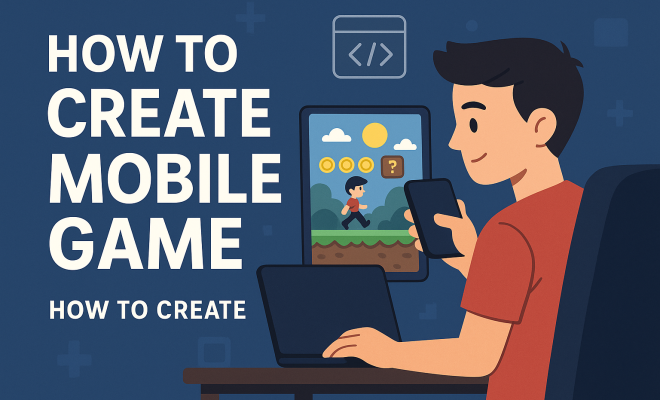
Creating a mobile game that captures the attention of gamers is an exciting yet challenging endeavor. With the mobile gaming industry continuing to grow, understanding how to create a mobile game has never been more relevant. This article will guide you through ten essential steps to help you turn your vision into a reality.
1. Define Your Game Concept
The first step in your journey to create a mobile game is to define your game concept. This involves determining the genre, target audience, and unique selling points (USPs) of your game. Ask yourself: What type of game am I creating? Is it a puzzle, action, adventure, or role-playing game? Who will play it, and what makes it different from other games on the market?
A well-defined concept not only serves as a foundation for development but also helps in creating a compelling narrative. Consider creating a game design document (GDD) to outline your ideas systematically. This document should cover gameplay mechanics, art styles, and storylines, ensuring that your vision remains clear throughout the development process.
2. Research the Market
Before diving into development, it’s crucial to research the mobile gaming market. Understanding trends and successful games can provide invaluable insights into what works and what doesn’t. Study top charts in app stores, analyze player reviews, and identify gaps in the market that your game might fill.
For instance, according to Newzoo’s Global Games Market Report, mobile gaming revenue reached $77.2 billion in 2020, accounting for over 50% of the global gaming market. By understanding the demographics of your potential players and their preferences, you can tailor your game to meet their expectations.
3. Choose the Right Platform
When you create a mobile game, choosing the right platform is critical. The most popular platforms are iOS and Android, each having unique development environments and requirements. Decide whether you want to develop for one platform or both from the outset. If you’re just starting, focusing on one may allow you to refine your game better before expanding.
Consider the different monetization strategies available on each platform as well. For instance, iOS tends to have higher-paying users, while Android offers a broader audience base. Your choice of platform may significantly impact your game’s visibility and profitability in the long run.
4. Design Engaging Gameplay
Your game’s core mechanics should be engaging and accessible. When players interact with your game, they should find it intuitive and rewarding. Think about the user interface (UI) and user experience (UX) design. Players should feel drawn into the game world without being overwhelmed by complicated controls.
Incorporate a feedback mechanism that rewards players for their achievements and progress. This could be in the form of points, badges, or other incentives. According to a report by GameAnalytics, players are more likely to stay engaged when they receive immediate rewards for their actions. Balancing challenge and reward is key to maintaining player interest.
5. Select the Right Tools and Technology
Choosing the right technology stack is fundamental when you create a mobile game. You’ll need to decide on a game engine that aligns with your vision and technical skills. Popular options include Unity, Unreal Engine, and Godot. Each has its strengths, depending on the type of game you want to create.
For example, Unity is known for its versatility and support for 2D and 3D games, while Unreal Engine is great for high-fidelity graphics. Additionally, consider programming languages, asset creation tools, and third-party services for analytics and monetization. Your tech choices can streamline development and enhance the overall quality of your game.
6. Develop a Prototype
Creating a prototype is a crucial step in game development. A prototype is a simplified version of your game that showcases core mechanics and gameplay. It allows you to test ideas and gather feedback before committing to full-scale development. This stage is about experimentation, so don’t hesitate to iterate based on playtesting results. (See: Mobile game overview on Wikipedia.)
It can be beneficial to involve potential players in testing your prototype. Use their feedback to refine your game mechanics, adjust difficulty levels, and enhance user experience. Early testing can save time and resources later in the development process, ensuring that you build a game that resonates well with your audience.
7. Focus on Art and Sound Design
The visual and auditory elements of your game play a significant role in player engagement. Invest time in creating high-quality graphics and sound effects that complement your gameplay. The art style should resonate with your game’s theme and target audience. Whether it’s pixel art, 3D models, or hand-drawn illustrations, the visuals should create a compelling atmosphere.
Sound design is equally important; it enhances the gaming experience by providing audio cues and immersive background music. According to a study from the University of Southern California, music can significantly influence players’ emotions and overall enjoyment. Therefore, ensure that your sound design aligns closely with the gameplay to maintain player immersion.
8. Implement Monetization Strategies
When you create a mobile game, monetization should be a vital consideration from the start. There are various strategies, including in-app purchases, ads, and premium pricing models. Your choice will depend on your target audience and game genre. For instance, free-to-play games often rely on in-app purchases, while premium games charge an upfront fee.
It’s essential to balance monetization with user experience. Aggressive ads or paywalls can drive players away. According to a report by Statista, 74% of gamers prefer in-game purchases over ads, suggesting that a well-implemented in-app purchase system may lead to higher user retention and satisfaction.
9. Beta Testing and Feedback
Once your game is in a nearly finished state, conducting beta testing is critical. This phase allows a select group of players to experience your game before its official launch. Gather feedback on gameplay, mechanics, and any bugs they may encounter. This process is invaluable for refining the final product.
Utilize various platforms to reach beta testers, whether through social media, gaming forums, or dedicated testing websites. The insights gained from beta testing can help you make necessary adjustments, leading to a polished and successful launch. Remember, a well-tested game is more likely to garner positive reviews and a loyal player base.
10. Launch and Market Your Game
The final step in creating a mobile game is launching and marketing it effectively. A strong launch strategy involves not only releasing your game on app stores but also promoting it across various channels. Social media, gaming communities, and influencer partnerships can amplify your reach and create buzz around your game.
Consider creating a press kit, including trailers, screenshots, and press releases to share with gaming media. Engage with your audience through social media, providing updates and behind-the-scenes content to build anticipation. Remember, the launch is just the beginning; continue to foster a community around your game to encourage player engagement and retention.
11. Post-Launch Support and Updates
Once your mobile game is live, the work isn’t done. Post-launch support is essential to maintain player interest and satisfaction. Players appreciate regular updates that introduce new content, fix bugs, and improve gameplay based on their feedback. Keeping a pulse on community sentiments through forums and social media can guide your update strategy.
Consider implementing seasonal events, new levels, or characters to keep the game fresh and exciting. According to a study by App Annie, games that receive regular updates can see a 50% increase in player retention over time. Listening to your community and responding with meaningful updates is crucial for the longevity of your mobile game.
12. Community Building
Building a community around your game can greatly enhance its lifespan. Engage with players through social media platforms, forums, and in-game chats. Consider hosting events, contests, or Q&A sessions to foster a sense of belonging among your players. When players feel connected to your game and each other, they’re more likely to stay for the long haul.
Creating a Discord server or a subreddit can serve as a central hub for your community to discuss strategies, share fan art, and provide feedback. A vibrant community can also help promote your game through word-of-mouth, as satisfied players are likely to recommend it to friends and family.
13. Analyze Performance Metrics
To ensure your mobile game is thriving, you need to track its performance through various metrics. Key performance indicators (KPIs) like daily active users (DAU), retention rates, and average revenue per user (ARPU) can provide insights into player engagement and financial success. Use tools like Google Analytics or game-specific analytics platforms to gather this data. (See: New York Times article on mobile gaming trends.)
Understanding player behavior can guide future updates and marketing strategies. For instance, if you notice a drop in retention after a particular update, it could indicate that players are dissatisfied with the changes. Constantly analyzing performance metrics will help you adapt and thrive in the competitive mobile gaming landscape.
14. Learning from Competitors
Paying attention to your competitors can provide valuable lessons that help you refine your own game. Analyze successful games in your genre to identify what they do well and where they fall short. Are there features that players rave about? Is there a common complaint among reviews that you can address in your game?
Additionally, keeping an eye on emerging trends in the gaming industry can position your game to capitalize on new opportunities. For instance, the rise of augmented reality (AR) gaming has opened up new avenues for creativity. Learning from both the successes and failures of others can give you a competitive edge.
15. Common Mistakes to Avoid
As you embark on your journey to create a mobile game, being aware of common pitfalls can save you time and resources. One significant mistake is underestimating the importance of thorough testing. Skipping this step can lead to a frustrating experience for players, resulting in negative reviews and poor retention.
Another mistake is failing to define a clear target audience. Without understanding who your players are, it becomes challenging to create a game that resonates with them. Ensure that your marketing and development strategies align with your audience’s preferences and expectations.
16. Frequently Asked Questions (FAQ)
What does it cost to create a mobile game?
The cost of creating a mobile game can vary widely, ranging from a few thousand dollars for simple games to millions for complex, high-quality productions. Factors influencing the cost include development time, team size, art and sound assets, and marketing expenses.
How long does it take to develop a mobile game?
The timeline for developing a mobile game can range from a few months to several years. Simpler games may be completed within 3-6 months, while more intricate titles with advanced features and graphics can take up to 2 years or more.
Do I need programming skills to create a mobile game?
While programming skills can be helpful, many game development tools like Unity and GameSalad allow for drag-and-drop functionality that doesn’t require coding. However, having a basic understanding of programming can greatly enhance your ability to customize your game.
Can I create a mobile game solo?
Yes, many indie developers create successful mobile games on their own. However, being a solo developer means you’ll often wear multiple hats, from programming to art design to marketing. Alternatively, consider collaborating with others to leverage each person’s strengths.
What are the best resources for learning game development?
There are numerous resources available for aspiring game developers, including online courses on platforms like Udemy, Coursera, and YouTube. Additionally, game development communities and forums like Reddit, Unity forums, and Stack Overflow offer support and knowledge sharing.
How can I market my mobile game effectively?
Effective marketing strategies include leveraging social media, creating a website, engaging with gaming influencers, and generating buzz through press releases and trailers. Building a community around your game before its launch can also amplify interest and downloads. (See: Research on mobile gaming from ScienceDirect.)
17. Advanced Monetization Techniques
While basic monetization strategies are essential, exploring advanced techniques can significantly boost your revenue. Subscription models, for example, have gained popularity, allowing players to access exclusive content or features for a recurring fee. Games like “Apple Arcade” have proven that players will pay for a high-quality service if it offers value.
Another advanced approach is to integrate cross-promotion within your game. If you have multiple titles, you can direct players from one game to another, enhancing engagement and maximizing monetization opportunities. It’s a smart way to leverage an established player base and keep your audience invested in your brand.
18. Analytics and User Behavior Tracking
Beyond basic performance metrics, deep-diving into analytics can unveil actionable insights about user behavior. Tracking how players interact with your game—such as the levels they find most challenging or the features they engage with the most—can help you make informed decisions about updates and enhancements.
Tools like Mixpanel or Firebase provide detailed analytics capabilities, allowing you to segment your audience and tailor experiences based on player behavior. You might discover, for example, that most players drop off after a specific level, indicating a need for difficulty adjustment or additional tutorial content.
19. Engaging Storytelling in Games
Storytelling plays a pivotal role in player engagement. A compelling narrative can foster emotional connections with players, making them more invested in the game. Consider developing rich backstories for characters and crafting engaging plotlines that unfold through gameplay. Games like “Life is Strange” and “Firewatch” illustrate how powerful storytelling can elevate the gaming experience.
Use dialogue, cutscenes, and in-game events to slowly reveal the storyline, keeping players intrigued. Engaging storytelling not only enhances player satisfaction but also encourages them to share their experiences, further promoting your game through word-of-mouth.
20. Future Trends in Mobile Gaming
As you plan your mobile game, it’s essential to keep an eye on future trends that might shape the industry. For example, the rise of cloud gaming allows players to access high-quality games on low-end devices without requiring expensive hardware. This could broaden your potential audience drastically.
Additionally, consider the integration of Artificial Intelligence (AI) in gaming. AI can be utilized to create more engaging NPCs (non-player characters), personalize player experiences, and even dynamically adjust game difficulty based on player skill levels. Staying ahead of these trends can help your game remain relevant for years to come.
Creating a mobile game is a multifaceted process that requires careful planning, creativity, and execution. By following these ten essential steps, you can set yourself on the path to developing a game that not only stands out in the crowded market but also resonates with players. As the mobile gaming industry continues to evolve, there’s never been a better time to start your journey. So, roll up your sleeves and get ready to create a mobile game that could capture hearts and minds!
“`
Trending Now
Frequently Asked Questions
What are the first steps to create a mobile game?
The first steps to create a mobile game include defining your game concept by determining the genre, target audience, and unique selling points. Additionally, creating a game design document can help outline your ideas and keep your vision clear throughout the development process.
How do I research the mobile gaming market?
To research the mobile gaming market, analyze top charts in app stores, study player reviews, and identify trends and gaps that your game could fill. Understanding player demographics and preferences will help you tailor your game to meet their expectations.
Which platforms should I choose for my mobile game?
Choosing the right platform is critical for mobile game development. The most popular platforms are iOS and Android, each with its own development environments and requirements. Decide based on your target audience and the features you want to implement in your game.
What is a game design document (GDD)?
A game design document (GDD) is a comprehensive outline that details your game concept, gameplay mechanics, art styles, and storylines. It serves as a blueprint for development, ensuring that your vision remains consistent and organized throughout the entire process.
Why is it important to define a game concept?
Defining a game concept is crucial because it lays the foundation for development. It helps clarify the type of game you are creating, your target audience, and what makes your game unique, guiding your design and marketing strategies effectively.
What’s your take on this? Share your thoughts in the comments below — we read every one.