How to do handstand
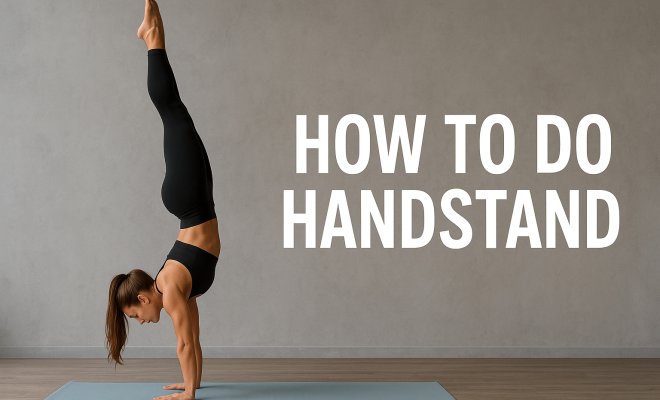
“`html
Handstands are not just a display of strength and balance; they are a captivating skill that many aspire to master. Whether you’re a gymnast, a yoga enthusiast, or simply seeking a thrilling physical challenge, knowing how to do a handstand can elevate your practice to new heights. This article serves as your comprehensive handstand tutorial, guiding you through essential techniques, tips, and exercises to help you achieve this impressive feat.
1. The Basics of Handstands
Before we dive into the specifics of performing a handstand, it’s important to understand what it entails. A handstand is a vertical position supported by your hands, with your body upside down. This position not only demonstrates strength and flexibility but also enhances your body awareness and control. So, why should you learn how to do a handstand?
For one, handstands engage multiple muscle groups, particularly in your shoulders, arms, and core. Mastering this skill can lead to improved strength and stability in various physical activities, including gymnastics, yoga, and even everyday movements. Plus, there’s a certain sense of accomplishment that comes from achieving the seemingly impossible!
2. Preparing Your Body
Before attempting a handstand, it’s crucial to prepare your body properly. Warming up will help prevent injuries and improve your overall performance. Start with dynamic stretches focusing on the wrists, shoulders, and core muscles. Here are some effective exercises to include in your warm-up:
- Wrist Rolls: Rotate your wrists clockwise and counterclockwise to loosen the joints.
- Shoulder Taps: In a plank position, alternate tapping each shoulder with the opposite hand to engage your core and stabilize your shoulders.
- Plank Holds: Build core strength by holding a plank position for 30 seconds to a minute.
Incorporating these exercises into your routine can significantly enhance your ability to perform a handstand. Remember, preparing your body is just as essential as the execution itself.
3. Getting the Right Gear
While you don’t need fancy equipment to practice handstands, having the right gear can make a difference. A yoga mat provides cushioning for your wrists and shoulders, ensuring a safer landing. If you’re trying handstands on a hard surface, consider using a padded mat to absorb impact.
Additionally, wearing comfortable clothing that allows for a full range of motion is crucial. Avoid loose-fitting garments that could get in the way. Tight-fitting athletic wear will help you stay streamlined and focus on your balance without distractions.
4. The Fundamental Position
To begin your handstand journey, familiarize yourself with the fundamental position. Start in a standing position, then engage your core and bend at the waist, placing your hands shoulder-width apart on the ground. It’s important to keep your fingers spread wide for better stability and grip.
From here, kick your legs up toward the ceiling. The goal is to find balance while keeping your body in a straight line from hands to toes. A common mistake is to arch the back; instead, maintain a neutral spine and engage your core muscles to help stabilize your body. (See: Improving strength and stability.)
5. Kick-Up Technique
The kick-up is a crucial skill for handstand success. To practice this, start in the fundamental position, then take a small hop or kick with one leg while pushing through your shoulders. Remember to focus on your core and keep your legs straight as you rise. It may take time, but with consistent practice, you’ll gain the strength and balance necessary to hold your handstand.
Another effective method to practice the kick-up is through the wall. Position your body facing the wall, bend your knees, then kick up with one leg while the other leg follows. This can help you find your center of balance without the fear of falling over. Just be sure to keep your body as straight as possible as you transition to the upside-down position.
6. Finding Your Balance
Once you’ve successfully kicked into a handstand, the next challenge is maintaining your balance. It can feel like a delicate dance, but with practice, you can find your sweet spot. Engage your core muscles to keep your body aligned. If you start to wobble, focus on pressing through your fingertips to stabilize yourself.
Using a wall can provide reference points as you learn to balance. Start by placing your feet against the wall and gradually work on shifting your body weight away from it. The goal is to find that point where you can hold your body upright without the support of the wall. This may take time, so be patient with yourself!
7. Common Mistakes to Avoid
Even the most experienced practitioners make mistakes when learning handstands. Here are some common pitfalls to avoid during your practice:
- Letting Your Back Arch: This can lead to instability and injury. Keep your spine aligned and engage your core.
- Not Using Your Fingers: Your fingers are your best friends while balancing. Use them to grip and stabilize your position.
- Holding Your Breath: Remember to breathe! Holding your breath can tense up your body and make balancing harder.
- Giving Up Too Soon: Learning to handstand takes time and persistence. Don’t get discouraged; keep practicing!
By being aware of these mistakes, you can make corrections and improve your technique effectively.
8. Advanced Techniques and Variations
Once you’ve mastered the basic handstand, you might want to explore advanced techniques and variations to keep your practice exciting. Consider trying:
- Handstand Push-Ups: These require considerable strength and balance, adding an extra challenge to your routine.
- Handstand Walking: This variation takes balance and core strength to the next level. Start by practicing small steps while upside down.
- One-Handed Handstands: This is an impressive feat that requires exceptional balance and strength.
- Handstand Snap Downs: This involves kicking down from a handstand into a strong landing position, which helps in transitioning to other skills.
Exploring these variations not only keeps your practice fresh but also helps build greater strength and balance.
9. Staying Motivated and Inspired
Learning how to do a handstand can be a journey filled with challenges, but it’s essential to stay motivated. Surround yourself with supportive communities, whether online or in person, to share your progress and tips. Consider documenting your journey, as seeing your improvements over time can be a great source of inspiration.
Additionally, seek out workshops, classes, or instructional videos focused on handstands. Sometimes, a new perspective can illuminate different techniques and strategies that resonate with you. Remember, even the most skilled acrobats started in the same place you are now — the key is to keep pushing yourself and enjoy the process!
10. Strength and Conditioning for Handstands
To achieve a solid handstand, building strength and conditioning is key. Here are some exercises specifically tailored to improve the muscles required for a successful handstand: (See: Health benefits of physical activity.)
- Shoulder Taps: Besides being great for warming up, shoulder taps help to strengthen your shoulders and core. In a plank position, perform shoulder taps to increase shoulder stability.
- Handstand Holds: Practice holding a handstand against the wall to build endurance. Start with your back to the wall, then progress to facing the wall as you gain confidence.
- Box Handstands: Place your feet on a box or elevated surface while your hands are on the ground. This modified handstand can help build strength and control.
- Core Strength Exercises: Incorporate exercises like hollow holds, leg raises, and planks to enhance your core strength, which is crucial for maintaining balance.
Additionally, consider integrating full-body workouts that include push-ups, dips, and pull-ups to strengthen your upper body, which supports the handstand. Training these muscle groups will not only assist you in executing a handstand but will also enhance your overall agility and fitness.
11. Understanding the Importance of Flexibility
Flexibility plays a vital role in performing a successful handstand. Tight muscles can hinder your ability to achieve proper alignment and balance. Here are some specific stretches and flexibility exercises:
- Hamstring Stretch: Flexible hamstrings allow for better leg positioning in a handstand. Try standing and reaching for your toes, or use a strap to assist.
- Shoulder Stretch: Use a wall or doorway to stretch your shoulders. Reaching your arms overhead while keeping your back straight can help open up tight shoulders.
- Wrist Flexibility: Regularly perform wrist stretches by extending your fingers back towards your forearm, which helps maintain wrist health and flexibility.
By integrating flexibility training into your routine, you’ll find it easier to achieve the proper handstand position and maintain it for longer periods. This not only helps with handstands but also improves your overall movement quality in other athletic endeavors.
12. How to Overcome Fear and Build Confidence
Fear is a common barrier when it comes to attempting a handstand. Here are some steps to help you overcome that fear:
- Start Small: If kicking up feels intimidating, start with wall-supported handstands or practice on a softer surface like grass or a padded mat.
- Visualization Techniques: Spend time visualizing yourself successfully performing a handstand. Imagining the process can help reduce anxiety and build confidence.
- Practice with a Buddy: Having someone to spot you can help alleviate fears of falling and provide encouragement.
Keep in mind that every expert has faced fear and uncertainty along their journey. The key is to practice with patience and gradually challenge yourself to push past the fear. Celebrate your small victories along the way — they all count toward your progress!
13. Handstand Tutorial FAQs
What is a handstand?
A handstand is an inverted position where the body is supported by the hands while the feet point upward. It requires significant strength, balance, and body awareness.
How long does it take to learn how to do a handstand?
The time it takes to learn a handstand varies from person to person, depending on your fitness level, prior experience, and the amount of practice you put in. Some may take weeks, while others might take months of consistent practice. Many find that regular short sessions can be more beneficial than infrequent long ones.
Can anyone learn to do a handstand?
Yes, with dedication and practice, most people can learn to do a handstand. The key is to focus on building strength, flexibility, and balance progressively. People with prior experience in activities that require core strength — like swimming, martial arts, or dance — may find it easier to pick up handstands.
What are the best surfaces for practicing handstands?
Soft surfaces like grass or mats are ideal for beginners to minimize the risk of injury. As you gain confidence, you can practice on harder surfaces, but always ensure you have adequate padding in case you fall. Floors with a bit of give, like gym floors or dance studios, are also excellent. (See: Fitness and exercise guidelines.)
Is it safe to practice handstands every day?
Practicing handstands every day can be safe if you listen to your body and avoid overexertion. It’s crucial to include rest days and cross-training activities to prevent injury. If you’re feeling sore, give yourself a break and focus on flexibility or strength training instead.
What can I do if I’m not strong enough for a handstand yet?
If you’re not strong enough yet, focus on building your upper body and core strength through exercises like push-ups, planks, and shoulder presses. Strengthening these areas will prepare your body for the demands of a handstand. Incorporating resistance training can also be beneficial, helping with the muscle groups needed for stabilization.
Are there any age restrictions for learning handstands?
No specific age restrictions exist for learning handstands; people of all ages can try! However, younger individuals and older adults should consult a healthcare professional before starting intense physical activities. Many find that age brings a natural wisdom to their practice, allowing them to approach handstands in a well-considered way, focusing on technique over speed.
How can I integrate handstands into my regular workout routine?
Integrating handstands into your regular workout can be quite rewarding. Set aside a specific time during your fitness sessions to practice handstands, ideally after your warm-up. You can include handstand drills as a part of an upper-body or core workout. Also, consider creating a dedicated handstand practice day where you focus solely on improving your technique.
What are the benefits of handstands beyond physical strength?
Handstands provide numerous benefits beyond just physical strength. They can improve your mental focus and help reduce stress by encouraging a different perspective on challenges. The act of being upside down can also boost circulation and stimulate the nervous system, leading to an overall feeling of exhilaration and rejuvenation.
By following this handstand tutorial, you’ll be well-equipped to take on the challenges of mastering one of the most impressive skills in physical fitness. So, roll out your mat, engage your core, and get ready to turn your world upside down!
“`
Trending Now
Frequently Asked Questions
What are the benefits of doing a handstand?
Handstands engage multiple muscle groups, particularly in the shoulders, arms, and core. They enhance strength, flexibility, and body awareness, which can improve performance in activities like gymnastics and yoga. Additionally, achieving a handstand provides a sense of accomplishment and can boost your confidence.
How do I prepare my body for a handstand?
Proper preparation includes warming up with dynamic stretches focusing on the wrists, shoulders, and core. Effective exercises include wrist rolls, shoulder taps in a plank position, and plank holds to build core strength. This warm-up routine helps prevent injuries and improves your performance.
What is the correct body position for a handstand?
In a handstand, your body should be vertical and supported by your hands, with your head facing downward. Your arms should be straight, and your core engaged to maintain balance. Proper alignment and control are crucial for achieving a stable handstand.
Can anyone learn how to do a handstand?
Yes, with practice and proper technique, anyone can learn to do a handstand. It requires dedication, strength, and balance, but by following a structured approach and gradually building your skills, you can master this impressive feat.
What exercises can help improve my handstand?
Exercises that build core strength and shoulder stability are essential for improving your handstand. Incorporate planks, shoulder taps, and wrist rolls into your routine. Additionally, practicing against a wall can help you develop balance and confidence in the handstand position.
What’s your take on this? Share your thoughts in the comments below — we read every one.