The Growing Trend of Social Media Bans for Kids: What Parents Need to Know
“`html
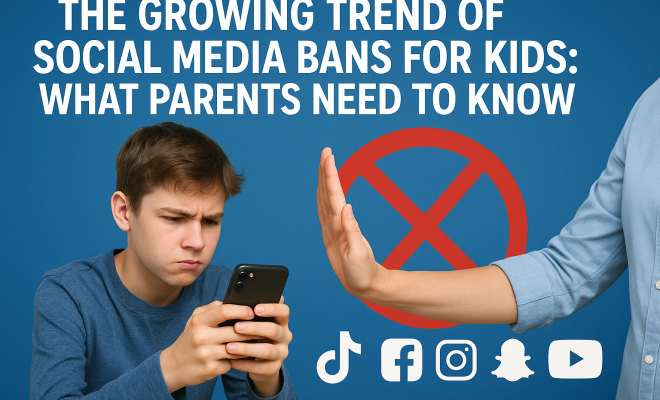
In recent months, a significant shift has emerged in how countries approach social media use among minors. The UK has taken a bold step by implementing a social media ban for kids under the age of 16 across popular platforms like Snapchat, TikTok, YouTube, Instagram, X, Reddit, and Twitch. This development is more than just a national policy; it’s part of a rapidly spreading global phenomenon that raises urgent questions about child safety, parental control, and the role of technology in young lives.
The Rationale Behind the Ban
Britain’s initiative is ultimately framed as a protective measure against the harmful effects of social media. The government cites excessive screen time and exposure to inappropriate content as major concerns. Reports indicate that children are increasingly vulnerable to cyberbullying, mental health issues, and unrealistic body image standards exacerbated by social media. The UK’s approach reflects a growing recognition that the digital landscape can be detrimental to young minds.
This ban isn’t an isolated case. Many parents and educators have been vocal about their worries regarding the unregulated world of social media. They argue that the platforms often prioritize engagement over safety, which can leave children exposed to harmful messages and behaviors. By limiting access, proponents hope to create a safer online environment where children can grow without the pressures that often accompany social media interactions.
Global Trends: Countries Joining the Movement
In the wake of the UK’s announcement, countries across Europe and beyond are contemplating similar measures. France, Spain, Denmark, Greece, Thailand, and South Korea are among those considering or actively pursuing policies that would restrict social media access for younger users. This collective action highlights a growing consensus regarding the necessity of regulation in the digital age.
For instance, France has already enacted laws that require stricter age verification processes for social media platforms. The French government emphasizes the need to protect children from online predators and inappropriate content, aiming to ensure that social media is a safer space for minors. Meanwhile, efforts in South Korea focus on enhancing digital literacy, teaching children how to recognize harmful content while advocating for responsible online behavior.
Implications for Parents and Children
The prospect of a social media ban for kids raises complex issues for families. For parents, the ban could alleviate some of the worries that come with unsupervised internet access. However, it also presents challenges, particularly regarding how to keep children engaged socially without digital platforms. Many children rely on social media to connect with peers, share experiences, and even learn new skills.
As restrictions tighten, parents are faced with the dilemma of balancing their children’s need for social interaction with the potential risks associated with social media use. The conversations around these policies often force parents to engage in deeper discussions about media literacy, critical thinking, and the importance of offline relationships. Rather than isolating children, such bans could encourage families to explore alternative activities that foster genuine social connections.
Enforcement Challenges
One of the most significant challenges surrounding a social media ban for kids is enforcement. How do governments plan to verify ages effectively? Social media platforms have faced scrutiny for their existing age verification processes, which many view as inadequate. While some apps utilize ID checks or credit card information, others rely on self-reporting, leaving gaps that could be exploited by younger users.
Moreover, with the rise of VPNs and other circumvention tools, tech-savvy teenagers may find ways to bypass restrictions, rendering the ban less effective. This leads to questions about responsibility: Should social media companies be held accountable for enforcing age limits, or is it ultimately the parents’ duty to monitor their children’s online behavior?
How Age Verification Works
To better understand the potential effectiveness of these bans, it’s essential to examine possible age verification methods. Various approaches have been proposed, each with its benefits and challenges:
- ID Verification: This method requires users to submit identification documents, but raises concerns over privacy and data security.
- Third-Party Services: Some companies specialize in providing age verification services that can be integrated into platforms, but they come with costs and logistical hurdles.
- Parental Approval: Parents could be required to approve their children’s accounts, but this places the onus on parents to actively engage in their children’s digital lives.
- AI and Algorithms: Advanced technologies could analyze user behavior to flag underage users, but this approach can lead to privacy issues and false positives.
No single solution is foolproof, and the challenge of age verification remains a key point of contention as countries move forward with social media bans. (See: Adolescent mental health concerns.)
Potential Impact on Mental Health
With social media becoming an integral part of youth culture, the implications of a social media ban for kids could have far-reaching consequences for mental health. Numerous studies have linked excessive social media use to increased anxiety, depression, and feelings of isolation among teenagers. By restricting access, policymakers aim to mitigate these adverse effects.
However, it’s crucial to consider that social media also plays a role in fostering communities, facilitating discussions, and providing platforms for self-expression. The challenge lies in finding a balance that allows for healthy engagement without exposing children to the darker sides of the online world.
Parental Perspectives: A Divided Opinion
As discussions around the social media ban for kids continue to unfold, parents are expressing mixed feelings. Some view the bans as a necessary step to protect their children, citing real-life examples of cyberbullying and social pressure that arise from unrestricted access to social media. These parents advocate for regulations that prioritize child safety over unrestricted access.
On the opposite end, other parents argue that bans may hinder their children’s ability to learn how to navigate the digital world responsibly. They worry that without the chance to experience social media, kids may struggle when they eventually encounter it unsupervised. This perspective emphasizes the importance of teaching digital literacy and responsible online behavior instead of outright banning access.
Alternatives to Social Media
In light of the growing movement towards a social media ban for kids, parents are encouraged to explore alternative avenues for their children to connect and interact. Here are some suggestions:
- Encourage Outdoor Activities: Get your kids involved in sports, arts and crafts, or nature explorations to foster social skills away from screens.
- Promote Family Time: Plan regular family outings or game nights to strengthen bonds and encourage communication.
- Engage in Creative Projects: Support hobbies that allow children to express themselves without relying on digital platforms, such as painting, writing, or music.
- Explore Educational Programs: Many organizations offer workshops or classes designed to develop social skills and foster teamwork.
These activities can provide rich, rewarding experiences while minimizing screen time, ultimately leading to healthier social interactions.
The Future of Social Media and Kids
As the dialogue around a social media ban for kids evolves, one thing is clear: it’s crucial to keep the conversation going. Policymakers, parents, and educators must collaborate to craft solutions that prioritize child safety while acknowledging the realities of the digital age. As technology continues to advance, it will be essential to adapt policies accordingly and remain vigilant about the risks associated with social media usage.
Ultimately, how children interact with social media will shape not just their childhood experiences but their relationships and mental health for years to come. With a concerted effort from all stakeholders involved, we can aim to create a safer online environment that supports healthy growth and development for future generations.
Expert Insights on Social Media Impact
Several experts in child psychology and digital safety have weighed in on the implications of a social media ban for kids. Dr. Sarah Johnson, a child psychologist, argues that while the ban may protect children from immediate harm, it could also deprive them of learning vital coping mechanisms. “The digital world is not going away,” she states. “Instead of banning it outright, we should be teaching kids how to navigate it securely and responsibly.”
On the other hand, Dr. Mark Stevens, a digital safety advocate, emphasizes the need for strict regulations to ensure children’s safety. He notes that “with the rise of online predators and cyberbullying, it has become critical to create barriers that protect children from potential harm. The ban can serve as a necessary intervention while we work towards a more comprehensive education on digital literacy.”
Statistics on Child Social Media Use
Understanding the scope of child social media usage can illuminate why such bans are being considered. According to a recent report by the Pew Research Center, approximately 95% of teenagers have access to a smartphone, and around 85% of them use social media platforms regularly. This staggering figure emphasizes the pervasive nature of social media in teenagers’ lives.
Moreover, the same report highlights that 60% of teens feel pressure to present a certain image on social media, which can lead to anxiety and self-esteem issues. These numbers illustrate the urgent need for action as many children struggle to cope with the expectations set by their peers online.
Potential Educational Policies
In light of the social media ban for kids, schools may need to adapt their educational strategies to incorporate lessons on digital citizenship. Teaching students about online behavior, data privacy, and digital footprints should be a priority. Many educators advocate for including digital literacy in the curriculum to equip students with the necessary skills to navigate the online world safely. (See: Youth Risk Behavior Surveillance.)
For example, some schools are implementing programs that encourage students to think critically about the content they consume online. By promoting discussions around online ethics and the implications of digital interactions, educators can help students understand the weight of their online presence and the impact it can have on their lives.
FAQs about Social Media Ban for Kids
What is the age limit for the social media ban in the UK?
The social media ban in the UK applies to children under the age of 16. This applies to popular platforms such as Snapchat, TikTok, YouTube, Instagram, X, Reddit, and Twitch.
How will the ban be enforced?
Enforcement will primarily involve age verification processes that social media platforms must implement. However, challenges remain regarding the effectiveness and reliability of these methods.
Are there exceptions to the ban?
Currently, the focus is on minors under 16, and there are no publicly stated exceptions. However, ongoing discussions may lead to the development of guidelines for specific cases, such as educational or supervised use.
What should parents do if their child wants to use social media?
Parents should engage in open conversations with their children about the risks and benefits of social media. Encouraging media literacy and critical thinking can empower children to make informed decisions about their digital interactions.
How can children socialize if they are banned from social media?
There are numerous alternatives for socialization, including participating in sports, clubs, or community activities. Parents can facilitate playdates and encourage outdoor activities to strengthen friendships without relying on social media.
What are the potential long-term impacts of a social media ban?
While the immediate goal is to protect children, long-term impacts may include a lack of familiarity with navigating online spaces when they eventually gain access. This could lead to challenges in developing online communication skills and understanding digital etiquette.
Can the ban lead to increased offline bullying?
There is a possibility that restricting online interactions could push some forms of bullying into offline settings. However, the intention behind the ban is to reduce the overall exposure to harmful interactions, both online and offline.
What role do parents play in navigating social media bans?
Parents play a crucial role by monitoring their children’s online behavior, encouraging healthy offline activities, and fostering discussions about digital citizenship. Being proactive can help children develop necessary skills for future digital interactions.
Deeper Analysis of Social Media and Development
Understanding the implications of social media on child development is complex and multifaceted. Research indicates that the formative years of childhood are critical for social and emotional development. During this time, children learn to form relationships, understand social nuances, and develop their identities. Access to social media can influence these processes significantly.
For example, social media platforms can create echo chambers where children may only encounter opinions and lifestyles similar to their own, limiting their exposure to diverse perspectives. This can hinder the development of empathy and social understanding. On the flip side, social media can provide a space for marginalized voices, allowing children to connect with others who share similar experiences or struggles, potentially enhancing their sense of belonging. (See: Social media and children's mental health.)
A study published in the Journal of Adolescence found that adolescents who engage in positive social media interactions feel a greater sense of support and community. However, the same study also highlighted that negative interactions, such as cyberbullying or exclusion, can lead to detrimental outcomes, including depression and anxiety. Thus, the impact of social media is not universally negative or positive; it largely depends on the context and nature of the interactions that occur on these platforms.
International Case Studies
Looking at international examples can shed light on how different countries are approaching the issue of social media bans for kids. For instance, in Finland, where digital literacy is a part of the national curriculum, educational programs emphasize critical thinking about online content. The Finnish approach aims to prepare children to navigate digital spaces responsibly rather than restricting their access outright. This strategy has resulted in lower rates of cyberbullying and a more informed youth population.
In contrast, countries like India have enacted bans on specific platforms due to concerns over content that incites violence or promotes harmful ideologies. While this approach aims to protect children from immediate threats, it raises questions about censorship and the impact on freedom of expression. These contrasting strategies highlight the difficulties governments face in balancing safety and individual rights.
Social Media Platforms Respond
In response to the growing concerns about child safety, social media platforms are exploring various measures to enhance user safety. Companies like Facebook and Instagram have introduced features that allow parents to monitor their children’s accounts, set time limits, and receive alerts about potentially harmful interactions. These tools aim to empower parents while fostering open communication about social media use.
Additionally, platforms are investing in educational initiatives aimed at raising awareness about digital citizenship and the importance of responsible online behavior. For example, TikTok has launched campaigns encouraging users to think critically about the content they consume and share. Such efforts reflect the industry’s recognition of its role in contributing to a safer online environment for minors.
Future Considerations for Policy Makers
As the dialogue surrounding a social media ban for kids continues, policymakers must consider several factors to create effective legislation. Collaboration with tech companies, educators, and child psychologists can lead to a more holistic understanding of the issues at hand. It’s essential to develop policies that not only address the immediate concerns of safety but also promote digital literacy and resilience.
Future policies could also focus on fostering a cultural shift towards healthier online behaviors. This includes encouraging children and teens to take breaks from social media, promoting the importance of in-person interactions, and creating campaigns that celebrate offline achievements and friendships. By addressing the root causes of social media-induced anxiety and depression, society can work towards a well-rounded approach to youth online engagement.
Conclusion: Striking a Balance
The conversation about a social media ban for kids is far from over. It brings to light crucial issues of safety, responsibility, and the evolving role of technology in our lives. As we navigate this complex landscape, the goal should be to strike a balance that protects children while allowing them the opportunity to engage with the digital world in a healthy, informed manner.
“`
Trending Now
Frequently Asked Questions
What is the social media ban for kids in the UK?
The UK has implemented a social media ban for children under the age of 16 across platforms like Snapchat, TikTok, YouTube, and Instagram. This initiative aims to protect minors from the harmful effects of excessive screen time, cyberbullying, and inappropriate content.
Why are countries banning social media for minors?
Countries are banning social media for minors to address concerns about child safety, mental health issues, and exposure to harmful content. The aim is to create a safer online environment for children, minimizing pressures related to social media interactions.
Which countries are considering social media bans for kids?
In addition to the UK, countries like France, Spain, Denmark, Greece, Thailand, and South Korea are contemplating or actively pursuing policies to restrict social media access for younger users, reflecting a global trend towards regulation.
What are the concerns related to social media use among children?
Concerns about social media use among children include increased vulnerability to cyberbullying, mental health issues, and exposure to unrealistic body image standards. These issues have prompted calls for stricter regulations on social media access for minors.
How do parents feel about social media bans for kids?
Many parents and educators support social media bans for kids, expressing worries about the unregulated nature of social media platforms. They believe that limiting access can help protect children from harmful messages and behaviors prevalent online.
Agree or disagree? Drop a comment and tell us what you think.