AI Fuels Surge in Cyberattacks on Small Businesses & Nonprofits (2026)
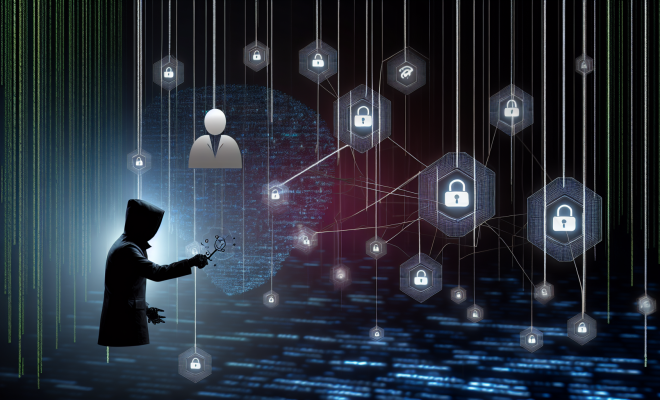
In an alarming trend for small businesses and nonprofit organizations, cyberattacks are surging, significantly fueled by the rise of artificial intelligence (AI)-driven scams, ransomware, and sophisticated email fraud. According to recent reports from NJBIZ, this uptick in cybercrime, highlighted around April 6, 2026, reveals a concerning reality: small enterprises, often lacking the necessary cybersecurity measures, are becoming prime targets for hackers.
The Growing Cyber Threat Landscape
Small businesses and nonprofits have traditionally been seen as less attractive targets for cybercriminals compared to larger corporations. However, the landscape is shifting. According to cybersecurity experts, many of these smaller organizations are now at greater risk due to their limited resources and weaker security protocols. Hackers are increasingly exploiting these vulnerabilities, using advanced technology and tactics to execute their attacks.
AI’s Role in Cybercrime
The integration of AI into cybercrime strategies is particularly concerning. Hackers are leveraging AI algorithms to enhance the sophistication of their attacks. This includes generating convincing phishing emails, automating the discovery of vulnerabilities, and even creating malware that can adapt to security measures. As AI technology becomes more accessible, it enables even novice hackers to launch devastating attacks with minimal effort.
Types of Cyberattacks Targeting Small Entities
Several types of cyberattacks are becoming increasingly prevalent among small businesses and nonprofits:
- Ransomware: This malicious software encrypts an organization’s data, rendering it inaccessible until a ransom is paid. The rise of AI has made ransomware attacks more sophisticated, often enabling hackers to target specific files or systems.
- Email Fraud: Phishing attacks have become more sophisticated, with AI being used to craft emails that closely mimic legitimate communications. These emails often trick employees into divulging sensitive information or clicking on malicious links.
- Business Email Compromise (BEC): This type of attack involves hackers posing as a trusted entity to manipulate employees into transferring money or sensitive data. AI can help attackers learn about organizational structures and communication styles, making their impersonations more convincing.
The Impact on Small Businesses
The consequences of these cyberattacks can be devastating for small businesses and nonprofits. According to recent statistics, approximately 60% of small companies that suffer a cyberattack go out of business within six months. The financial implications can be severe, with costs associated with data breaches averaging around $3.86 million per incident, according to the IBM Cost of a Data Breach Report.
Beyond the immediate financial impact, businesses also face reputational damage and loss of customer trust. In an era where data privacy is paramount, organizations that fail to protect sensitive information risk losing their clientele and market position.
Why Small Businesses Are Vulnerable
Small businesses often lack the robust cybersecurity infrastructure that larger corporations can afford. Factors contributing to this vulnerability include:
- Limited Budgets: Many small businesses operate on tight budgets, leaving little room for cybersecurity investments.
- Lack of Awareness: Owners and employees may not be fully aware of the threats or the importance of cybersecurity.
- Inadequate Training: Employees often lack training on recognizing phishing attempts or understanding secure online practices.
Defensive Measures for Small Businesses
To combat the rising tide of cyberattacks, small businesses and nonprofits must adopt proactive cybersecurity measures. Here are some effective strategies:
- Implement Multi-Factor Authentication (MFA): Adding an extra layer of security can significantly reduce the chances of unauthorized access.
- Regular Software Updates: Keeping software up to date helps patch vulnerabilities that hackers can exploit.
- Employee Training: Regular training sessions on cybersecurity awareness can empower staff to recognize potential threats.
- Data Backup: Regularly backing up data ensures that it can be restored in the event of a ransomware attack.
The Future of Cybersecurity for Small Businesses
As cyber threats continue to evolve, so must the strategies employed by small businesses and nonprofits. The increasing reliance on AI by threat actors emphasizes the need for these organizations to stay vigilant and informed. By investing in cybersecurity measures and fostering a culture of awareness, small businesses can better protect themselves against the rising tide of cybercrime.
In conclusion, the surge of AI-driven cyberattacks presents a significant challenge for small businesses and nonprofits. By understanding the nature of these threats and taking proactive steps, organizations can enhance their resilience against cybercriminals and safeguard their future.