NYC Flooding Chaos: Severe Storms Submerge the Big Apple
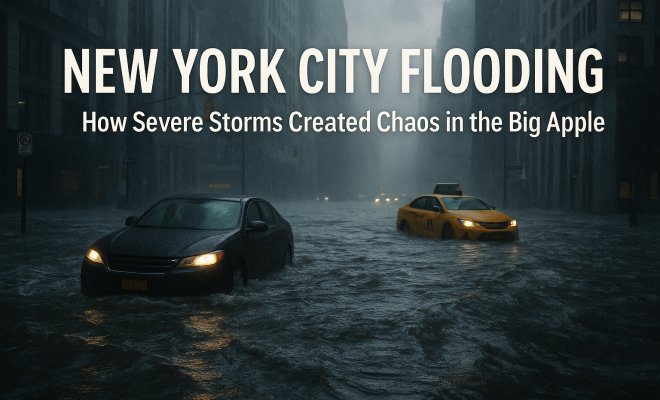
On a seemingly ordinary day, New York City experienced a dramatic shift as severe storms rolled through, resulting in New York City flooding that caught residents off guard. The sudden deluge turned bustling city streets into rivers, with images circulating rapidly across social media platforms.
The Onset of Flash Flooding
Footage from a city bus in Queens painted a vivid picture of the chaos: streets overwhelmed with water, cars submerged up to their windows, and pedestrians struggling to navigate through the unexpected conditions. What was supposed to be a routine commute swiftly transformed into a chaotic scene reminiscent of a disaster movie.
Real-Time Reactions
The footage captured by onlookers quickly became a talking point online, garnering attention due to New York City’s standing as a global hub. The visuals of New York City flooding did not just reflect a weather anomaly; they resonated with broader concerns about climate change and urban infrastructure. Users across various platforms shared the dramatic scenes, prompting discussions about the city’s preparedness for extreme weather.
A Broader Context: Climate Change and Infrastructure
This incident has reignited conversations around the intersection of climate change and urban planning. As extreme weather events become more frequent, cities like New York must confront the vulnerabilities inherent in their infrastructure. The city’s drainage systems, often criticized for their inadequacies, were put to the test as rain poured down in an unforeseen torrent.
- Historical Context: New York City has faced similar challenges in the past, with severe weather events leading to significant flooding.
- Infrastructure Limitations: The city’s aging infrastructure struggles to cope with the rapid influx of water during storms, raising questions about investments in modernizing these systems.
- Climate Change Factors: As scientists warn, climate change is likely to exacerbate weather extremes, making conversations about adaptation increasingly urgent.
The Impact on Daily Life
This latest instance of New York City flooding serves as a stark reminder of how quickly urban life can change due to environmental factors. Commuters found themselves stranded, businesses faced disruptions, and the public safety risks escalated as emergency services were called into action. Local authorities were quick to respond, but the question remains: How prepared is the city for future events?
Public Sentiment and Social Media Amplification
The combination of real-time footage, urban chaos, and potential public safety hazards created a perfect storm for viral content. Social media users amplified the dramatic visuals, sparking widespread engagement and conversations about the implications of such severe weather. Hashtags related to the flooding began trending, and local news outlets provided continuous coverage, further intensifying public interest.
Local Responses and Safety Measures
In the aftermath of the flooding, local officials urged residents to remain vigilant. The New York City Office of Emergency Management issued important advisories regarding travel and safety during severe storms. They emphasized the need for preparedness in the face of increasingly volatile weather patterns.
- Travel Tips: Residents were advised to avoid unnecessary travel during storms, particularly in flood-prone areas.
- Emergency Services: The city’s emergency services were put on high alert, ready to respond to any incidents arising from the flooding.
- Public Awareness: Campaigns to inform the public about flood risks and safety measures are likely to increase following this incident.
Moving Forward: Addressing the Challenges
The recent events underscore the necessity for cities like New York to adapt to changing climate conditions. There is a growing recognition that infrastructure must not only be upgraded but also designed with future weather patterns in mind. Urban planners and city officials are tasked with developing comprehensive strategies that incorporate climate resilience.
Community Engagement
As discussions continue, community engagement will be pivotal in shaping how the city adapts. Public forums and discussions can help identify concerns and potential solutions directly from the residents who experience the impact of such weather firsthand.
Conclusion: A Call to Action
The severe storms that led to New York City flooding may have subsided, but the conversation has only just begun. With climate change expected to intensify, it is crucial for New York City to implement proactive measures to ensure safety and resilience. As residents and officials alike reflect on the chaos that unfolded, the hope is that this incident will serve as a catalyst for meaningful change.