Why Parents Are Rethinking Parental Controls for Devices — And What You Need to Know
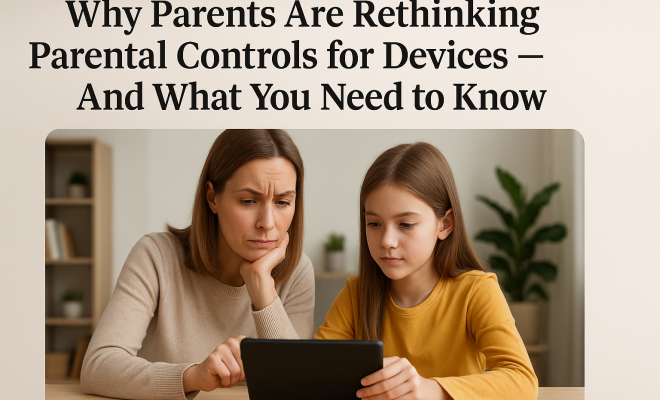
As parents navigate the complexities of raising children in a digital age, the conversation about parental controls for devices has become increasingly urgent and multifaceted. In a recent discussion that has captured the attention of many, parents expressed their frustrations with existing tools designed to safeguard their kids online. The consensus? While these controls are a step in the right direction, they often fall short of providing the robust protection parents need.
The Challenge with Current Parental Controls
Many parents are becoming increasingly aware that the parental controls for devices currently available are often limited and easily circumvented by tech-savvy teens. This growing frustration stems from a perception that these tools are not only weak but also fragmented across different platforms. For instance, a parent may set restrictions on a smartphone, only to find that those same restrictions do not apply to the tablet or gaming console. This inconsistency can leave parents feeling bewildered and ineffective in their efforts to protect their children.
The Perspective of Tech-Savvy Teens
Teens today have a level of digital fluency that often outpaces their parents. They can quickly find ways to bypass basic restrictions, making it seem like parents are fighting an uphill battle. The current generation has grown up with technology, giving them an inherent understanding of its ins and outs. This reality poses a troubling question for parents: are the tools meant to protect their children actually doing the job they are intended for?
Understanding the Parental Control Landscape
Amidst the ongoing conversation about parental controls for devices, one point has resonated deeply with many parents: it’s not necessarily that they are not trying to implement safeguards; it may be that the options available to them are intentionally designed to be insufficient. This counterintuitive perspective has sparked a robust debate among parents and experts alike, highlighting the gaps in technology that need to be addressed.
- Inherent Limitations: Many parental control applications focus on basic restrictions, such as blocking websites or limiting screen time. However, these features often fail to address the myriad of new apps and platforms that emerge regularly.
- Fragmented Solutions: Parents may need to juggle multiple apps for different devices, making it cumbersome to monitor their children’s activities consistently.
- Bypassability: Tech-savvy teens can easily find workarounds, such as using VPNs or encrypted browsers, diminishing the effectiveness of traditional parental controls.
Finding Solutions that Work
So, what can parents do to navigate this landscape effectively? Here are several strategies that can help in the quest for better parental controls for devices:
- Research Robust Tools: Look for parental control software that offers comprehensive monitoring across multiple devices and platforms, ensuring consistent protection.
- Open Communication: Discuss the reasons for implementing these controls with your child. Transparency can foster understanding and compliance.
- Stay Updated: Technology evolves rapidly, and so should your approach. Staying informed about the latest apps and tools can help you make better decisions.
- Involve Teens in the Process: Consider including your teens in the selection of parental control tools. This can make them feel more empowered and less likely to resist the rules.
The Emotional Aspect of Parental Controls
The emotional weight of ensuring a child’s safety online cannot be overstated. Parents often grapple with feelings of fear and frustration when they perceive that traditional methods of protection are insufficient. This emotional landscape makes discussions around parental controls for devices particularly poignant. Parents are not just looking for rules and restrictions; they want to create a safe environment for their children to explore the digital world responsibly.
Moreover, the ongoing debate surrounding these tools reflects a broader cultural concern regarding the influence of social media and unregulated online content on young minds. Parents want to shield their children from inappropriate material while also allowing them the freedom to learn and grow in a digital society.
Conclusion: A Call for Better Solutions
In conclusion, while parental controls for devices are a critical component of keeping children safe online, it is evident that improvements are needed. The current tools may serve as a foundation, but they are not enough to meet the challenges posed by an ever-evolving digital landscape. Parents must advocate for more effective solutions, seek out better technology, and maintain open dialogues with their children to create a safer online experience. In doing so, they can help prepare their children for a future where digital literacy and safety go hand-in-hand.