US Restricts DUV Semiconductor Exports to China
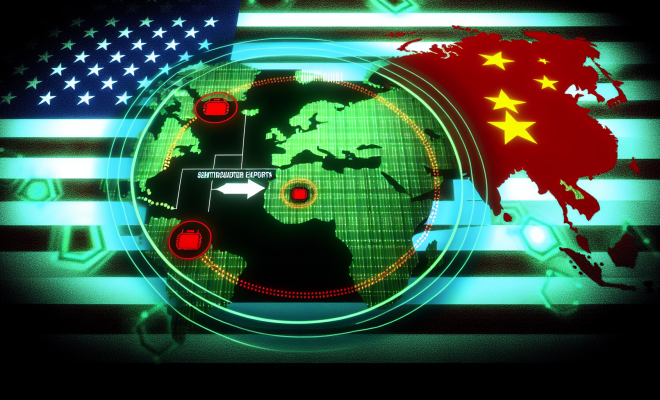
The United States is intensifying its efforts to curb China’s capabilities in semiconductor manufacturing through proposed legislation aimed at restricting the export of critical chip-making tools. The focus of this legislation is on deep ultraviolet (DUV) lithography equipment, which is essential for producing advanced semiconductor nodes. This move reflects the ongoing geopolitical tensions between the two nations, particularly in the realm of technology and supply chain management.
Understanding the DUV Technology
DUV lithography is a vital technology used in the semiconductor manufacturing process to print circuit patterns onto silicon wafers. This equipment allows manufacturers to create smaller and more efficient chips, which are crucial for powering advanced electronics, including smartphones, computers, and emerging technologies like artificial intelligence and autonomous vehicles.
Companies such as Semiconductor Manufacturing International Corporation (SMIC), China’s largest chipmaker, rely on DUV equipment to enhance their production capabilities. By restricting access to this technology, the U.S. aims to slow down China’s progress in achieving advanced semiconductor nodes, which are critical for maintaining competitiveness in the global chip market.
The Legislative Proposal
The proposed legislation is part of a broader strategy by the U.S. government to safeguard its technological advantages and prevent rival nations from catching up in key sectors. This move follows a series of actions taken by the Biden administration to address concerns over national security and economic competitiveness.
According to reports, the bill specifically targets exports of DUV tools, which have been instrumental in the production of chips at nodes smaller than 7 nanometers. By limiting the availability of these tools, the U.S. seeks to hinder China’s ability to manufacture cutting-edge semiconductors, thereby slowing the development of various technologies that depend on advanced chips.
Geopolitical Implications
The introduction of this legislation is not only a technical decision but also a geopolitical maneuver. The semiconductor industry has become a focal point in the U.S.-China rivalry, with both countries recognizing the strategic importance of chip technology for their respective economies and military capabilities.
China has been investing heavily in its semiconductor industry as part of its Made in China 2025 initiative, which aims to achieve self-sufficiency in key technologies. The U.S. response underscores the belief that technological leadership is crucial for national security and economic prosperity.
Potential Impact on the Semiconductor Industry
Industry experts predict that the proposed restrictions could have significant repercussions for both the U.S. and Chinese semiconductor markets:
- Increased Production Costs: With limited access to DUV tools, Chinese manufacturers may face higher production costs, making it more challenging to compete in the global market.
- Supply Chain Disruptions: The restrictions could lead to a ripple effect throughout the semiconductor supply chain, impacting companies that rely on Chinese manufacturers for components.
- Accelerated R&D Investments: In response to these challenges, Chinese firms may increase their investments in research and development to innovate alternative technologies or manufacturing processes.
Industry Reactions
The announcement of the proposed legislation has elicited a mixed response from stakeholders in the semiconductor industry. Some industry leaders express concern about the potential for escalating tensions and the impact on global supply chains.
Moreover, companies that have established partnerships with Chinese firms may find themselves in a precarious position, having to navigate the complexities of compliance with U.S. export controls while maintaining their business relationships.
On the other hand, proponents of the legislation argue that it is a necessary step to protect American technological leadership and ensure that critical technologies do not fall into the hands of potential adversaries.
Looking Ahead
As the U.S. government moves forward with this proposal, the semiconductor landscape is likely to undergo significant changes. The outcome of this legislation will not only affect the players in the semiconductor industry but also shape the future of technology competition between the U.S. and China.
In the short term, the restrictions may slow down China’s ambitions in advanced semiconductor manufacturing. However, in the long term, it could also spur innovation and investment in alternative technologies as companies adapt to a rapidly changing environment.
Ultimately, the proposed export controls represent a pivotal moment in the ongoing battle for semiconductor supremacy, with implications that will resonate far beyond the technology sector.