Brand Intelligence 2026: Transform Business Decisions
“`html
Introduction to Brand Intelligence
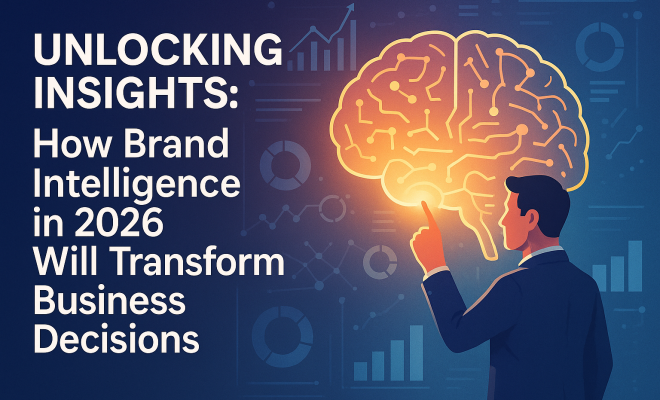
As we navigate through 2026, the landscape of brand intelligence is evolving rapidly, becoming more crucial than ever for businesses seeking to maintain a competitive edge. G2’s recent analysis, which is based on 729 reviews, sheds light on the changing priorities of buyers and the methods companies utilize to track brand perception. Understanding brand intelligence in 2026 not only highlights what customers are currently valuing but also provides a roadmap for businesses looking to adapt their strategies.
Defining Brand Intelligence
Brand intelligence refers to the process of gathering and analyzing data about a brand’s positioning in the market and its perception among consumers. This encompasses various elements such as customer feedback, market trends, competitor analysis, and social media sentiment. In 2026, the significance of brand intelligence is heightened due to the digital transformation that has led to an explosion of information available to consumers and businesses alike.
Organizations leverage brand intelligence to shape their marketing strategies, enhance customer experiences, and optimize product offerings. The data gleaned from reviews and feedback not only informs businesses about their current standing but also highlights potential areas for improvement and innovation.
Key Findings from G2’s 2026 Analysis
The G2 analysis provides a comprehensive overview of the current state of brand intelligence. Some key findings include:
- Enhanced Customer Engagement: Companies are increasingly focusing on engaging customers through personalized experiences and targeted communications.
- Monitoring Coverage Gaps: Businesses recognize the necessity of identifying gaps in their brand monitoring efforts, allowing them to respond promptly to customer concerns and emerging trends.
- Emerging Trends: The report identifies significant shifts in buyer priorities, particularly towards transparency and authenticity in brand messaging.
The Importance of Customer Feedback
Customer feedback plays a pivotal role in brand intelligence. In 2026, companies are leveraging reviews and testimonials not just as a means of social proof, but as a strategic tool for decision-making. The G2 data indicates that businesses that actively solicit and respond to customer feedback see marked improvements in brand perception and loyalty.
A strong emphasis on listening to customers allows brands to adapt their offerings in real time. For instance, companies that utilize AI-driven analytics can sift through vast amounts of data to pinpoint what resonates with their audiences, thereby optimizing their products and services accordingly. This trend underscores the need for organizations to establish robust feedback mechanisms.
Monitoring Coverage Gaps: A New Priority
One of the most significant revelations from the G2 analysis is the growing awareness among brands about monitoring coverage gaps. As the market becomes more saturated, brands must ensure they are consistently aware of how they are perceived across different platforms and demographic segments.
This proactive approach not only helps in managing brand reputation but also allows organizations to identify potential threats and opportunities. For instance, if a brand discovers that competitors are outperforming them in customer satisfaction ratings on specific platforms, they can implement corrective measures to address these gaps quickly.
Emerging Trends in Brand Intelligence
The landscape of brand intelligence is never static, and 2026 has ushered in several trends that are reshaping how organizations approach brand perception:
- Transparency: Customers are demanding more honesty and transparency from brands, which influences their purchasing decisions.
- Real-Time Analytics: Organizations are increasingly relying on real-time data analytics to gain immediate insights into consumer sentiment and market shifts.
- Social Media Influence: Social media channels are becoming critical touchpoints for brand engagement, with trends on these platforms often dictating brand strategies.
Leveraging Data-Driven Insights
With the insights drawn from brand intelligence, companies can better navigate the complexities of consumer behavior. The use of data-driven insights allows brands to tailor their marketing strategies, ensuring they resonate with their target audience.
For instance, businesses can leverage customer data to create personalized marketing campaigns that enhance customer engagement. Brands that utilize insights to inform their strategies are better positioned to respond to market changes and remain relevant in an increasingly competitive landscape.
The Role of Technology in Brand Intelligence
The integration of technology into brand intelligence practices has transformed how organizations gather and analyze data. In 2026, tools that employ artificial intelligence and machine learning are at the forefront of brand intelligence initiatives. (See: Youth Risk Behavior Surveillance.)
These technologies enable companies to automate data collection, analyze customer sentiment at scale, and forecast market trends with impressive accuracy. For example, sentiment analysis tools can process large volumes of social media interactions, allowing brands to gauge public opinion almost instantaneously.
Comparing Competitors: An Essential Strategy
Understanding how a brand stacks up against its competitors is critical for any organization. The 2026 G2 analysis emphasizes the need for businesses to conduct thorough competitor analysis as part of their brand intelligence strategy. By comparing reviews, ratings, and customer feedback across different platforms, companies can obtain actionable insights into their competitive positioning.
This information not only informs marketing strategies but also aids in product development. For instance, if a competitor is receiving praise for a specific feature, other brands may consider incorporating similar functionalities into their offerings.
Practical Implications for Businesses
The findings from G2’s brand intelligence research have critical implications for businesses looking to refine their strategies in 2026 and beyond. Companies should:
- Invest in Brand Monitoring Tools: Implementing tools that provide real-time insights and analytics will enable companies to stay ahead of market trends.
- Foster Customer Relationships: Building strong relationships with customers through engagement and feedback will enhance brand loyalty.
- Emphasize Transparency: Brands should communicate openly with their audience to build trust and credibility.
Conclusion: Looking Ahead to Brand Intelligence in 2026
As we move forward in 2026, the importance of brand intelligence cannot be overstated. The insights gained from G2’s analysis underscore the need for businesses to adapt their strategies in light of changing consumer expectations. By prioritizing customer feedback, monitoring coverage gaps, and leveraging data-driven insights, companies can not only enhance their brand perception but also secure their position in a competitive market.
In conclusion, brand intelligence in 2026 presents both challenges and opportunities for businesses willing to embrace change. As consumer behavior continues to evolve, those who stay informed and responsive will thrive in this dynamic landscape.
Future Projections for Brand Intelligence
Looking ahead, the field of brand intelligence is expected to undergo further transformations powered by advancements in technology and shifts in consumer behavior. Predictions for the coming years suggest that:
- Increased Use of AI and Machine Learning: The reliance on AI and machine learning for brand intelligence will grow, enabling brands to detect nuances in consumer sentiment that were previously overlooked.
- Integration with Customer Relationship Management (CRM) Systems: More brands will integrate brand intelligence tools with CRM systems to create a cohesive view of customer interactions across all touchpoints.
- Enhanced Customization and Personalization: As data analytics become more sophisticated, brands will be able to offer hyper-personalized experiences to their customers, aligning products and marketing strategies closely with individual preferences.
Case Studies: Successful Implementations of Brand Intelligence
To illustrate the practical application of brand intelligence, we can explore a few successful case studies from various industries:
Case Study 1: Fashion Retailer
A leading fashion retailer implemented brand intelligence tools to analyze social media engagement and customer reviews. By identifying trending styles and customer pain points, they revamped their inventory and marketing strategies, resulting in a 30% increase in customer retention rates within a year.
Case Study 2: Consumer Electronics Company
A consumer electronics brand utilized AI-driven analytics to monitor customer feedback across various platforms. By quickly addressing product issues highlighted in reviews, they improved their product rating from 3.5 to 4.8 stars on major retail platforms, leading to a 25% increase in sales.
Case Study 3: Hospitality Industry
A hotel chain adopted brand intelligence to analyze guest reviews and social media mentions. By implementing changes based on guest feedback, such as enhancing amenities and improving service quality, they saw a 40% boost in positive reviews, significantly improving their reputation and occupancy rates.
Statistical Insights on Brand Intelligence
Statistics reveal the growing importance of brand intelligence in the business landscape:
- According to recent studies, 86% of consumers read online reviews before making a purchase, demonstrating the necessity for brands to actively manage their online reputation.
- Data shows that companies utilizing brand intelligence tools see an average increase of 20% in customer engagement and loyalty.
- Research indicates that brands prioritizing transparency can increase their customer base by up to 25%, as consumers increasingly align with values-driven companies.
Expert Perspectives on Brand Intelligence
Industry experts provide valuable insights into the evolving nature of brand intelligence: (See: The New York Times.)
Dr. Sarah Mitchell, Brand Strategist
“Brand intelligence is no longer just about collecting data; it’s about understanding the stories behind that data. Brands that invest in meaningful analytics will not only survive but thrive in 2026.”
Mark Thompson, Digital Marketing Expert
“The future of brand intelligence lies in understanding consumer emotions. Brands that can connect on an emotional level with their audience will create deeper relationships and foster loyalty.”
Lisa Chang, Consumer Behavior Analyst
“As we move forward, the consumer’s voice will only become louder. Brands must listen actively and be willing to adapt, or they risk losing relevance.”
Frequently Asked Questions (FAQ)
What is brand intelligence?
Brand intelligence is the process of collecting and analyzing data related to a brand’s market positioning and perception among consumers. This includes feedback analysis, market trends, and competitor assessments.
Why is brand intelligence important in 2026?
In 2026, brand intelligence is critical due to the rapid pace of digital transformation and the increasing amount of data available. Understanding consumer expectations and market dynamics is essential for staying competitive.
How can companies implement brand intelligence?
Companies can implement brand intelligence by utilizing data analytics tools, integrating feedback mechanisms, and conducting regular competitor analyses to stay abreast of market trends and consumer sentiments.
What role does technology play in brand intelligence?
Technology plays a significant role by automating data collection, enhancing analysis capabilities, and providing real-time insights, allowing brands to make informed decisions swiftly.
How can brands benefit from customer feedback?
Brands can benefit from customer feedback by using it to improve products, enhance customer experiences, and build stronger relationships, ultimately leading to increased loyalty and sales.
What are some emerging trends in brand intelligence?
Emerging trends include a focus on transparency, real-time analytics, and the influence of social media on brand perception, all of which are reshaping marketing strategies.
How can businesses measure the success of their brand intelligence efforts?
Businesses can measure success through key performance indicators (KPIs) such as customer engagement rates, changes in brand perception metrics, and sales growth attributable to improved brand strategies.
The Future of Brand Intelligence in 2026 and Beyond
As we look towards the future, several factors are predicted to influence brand intelligence in the coming years. Here are some key considerations for organizations: (See: Associated Press News.)
Ethical Considerations in Data Usage
With increasing scrutiny on data privacy and ethical considerations, brands must navigate the delicate balance between using consumer data for insights and respecting privacy. In 2026, adhering to stricter data regulations like GDPR will be crucial. Brands that prioritize ethical data practices will not only protect themselves from legal repercussions but also build consumer trust.
Integration of Brand Intelligence with Overall Business Strategy
Brand intelligence will increasingly become integrated into broader business strategies. Organizations will recognize brand perception as a key driver of overall business performance, leading to coordinated efforts across departments such as marketing, sales, and product development. Companies that align brand intelligence with their core business strategies will find it easier to achieve sustainable growth.
Impact of Globalization on Brand Intelligence
As businesses expand into global markets, understanding diverse consumer sentiments across different cultures will become essential. Brand intelligence tools will need to account for regional differences in preferences and perceptions, allowing brands to tailor their messaging and product offerings to resonate with different audiences.
Strategies for Enhancing Brand Intelligence
To fully leverage the potential of brand intelligence, organizations should consider the following strategies:
Investing in Training and Development
As brand intelligence tools become more advanced, it is essential for teams to be well-trained in utilizing these tools effectively. Offering ongoing training can help employees better understand data analysis and its application in decision-making processes.
Fostering a Culture of Feedback
Creating a culture where feedback is actively sought and valued can vastly improve brand intelligence. This cultural shift encourages both employees and customers to share their insights, which can lead to innovative ideas and improvements.
Utilizing Multi-Channel Data
Brands should consider integrating data from multiple channels—social media, email, customer service interactions, and surveys—to gain a holistic view of consumer sentiment. This comprehensive approach will enhance the accuracy of insights derived from brand intelligence efforts.
Conclusion: The Road Ahead for Brand Intelligence
As we progress deeper into 2026, it is clear that brand intelligence will play an increasingly central role in shaping business success. Companies that prioritize data-driven insights, customer feedback, and ethical practices will not only enhance their brand reputation but also adapt more effectively to the rapidly changing market landscape. By staying agile and responsive to consumer needs, businesses can secure their positions as industry leaders and foster long-lasting relationships with their customers.
“`
Trending Now
Frequently Asked Questions
What is brand intelligence and why is it important?
Brand intelligence is the process of gathering and analyzing data about a brand's market positioning and consumer perception. In 2026, it is crucial for businesses to understand customer values and adapt their strategies, especially in a rapidly evolving digital landscape.
How can businesses use brand intelligence to improve customer engagement?
Businesses can leverage brand intelligence to create personalized experiences and targeted communications based on customer feedback and market trends. This approach enhances customer engagement by aligning offerings with evolving consumer preferences.
What are the key findings from G2's 2026 brand intelligence analysis?
G2's 2026 analysis highlights enhanced customer engagement, the importance of identifying coverage gaps in brand monitoring, and shifts in buyer priorities. These insights help businesses refine their strategies and respond effectively to emerging trends.
How does digital transformation affect brand intelligence?
Digital transformation has drastically increased the amount of information available to both consumers and businesses. This evolution makes brand intelligence more significant, as companies must analyze vast data to understand consumer sentiment and market positioning.
What are common methods used to track brand perception?
Common methods for tracking brand perception include analyzing customer feedback, monitoring social media sentiment, conducting competitor analysis, and examining market trends. These approaches help businesses gauge their reputation and identify areas for improvement.
What’s your take on this? Share your thoughts in the comments below — we read every one.