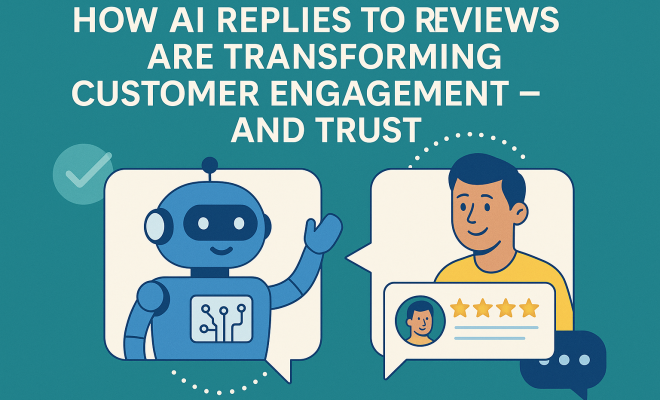
AI Replies to Reviews: Transforming Customer Engagement & Trust
“`html
In recent years, the landscape of customer feedback has evolved dramatically, leading businesses to constantly seek innovative strategies to engage with their audience. One of the latest developments on this front is Google’s testing of AI replies to reviews, a move that has sparked both excitement and concern among marketers, business owners, and consumers alike. As this technology begins to reshape the way businesses manage public feedback, it raises crucial questions about authenticity, trust, and the implications of automating customer communication.
The Rise of AI in Customer Interaction
Artificial intelligence has permeated various sectors, and customer service is no exception. From chatbots that handle inquiries to algorithms that personalize user experiences, AI is becoming an invaluable tool for businesses aiming to enhance efficiency and streamline operations. In this context, Google’s initiative to implement AI-generated responses to online reviews marks a significant shift in how companies can manage customer feedback.
At the heart of this initiative is the need for speed and volume. With the sheer number of reviews businesses receive on platforms like Google, responding promptly can be a daunting task. By employing AI to generate replies, companies can manage large volumes of feedback more efficiently, potentially improving their responsiveness and overall customer satisfaction.
Understanding the Mechanics Behind AI Replies
The technology behind AI replies to reviews relies on natural language processing (NLP), a branch of AI that focuses on the interaction between computers and human language. NLP algorithms analyze text data to understand context, sentiment, and intent, allowing the AI to generate responses that seem relevant and appropriate.
For instance, if a customer leaves a positive review praising a restaurant’s atmosphere, the AI could generate a reply thanking the reviewer and encouraging them to return. Conversely, if a negative review highlights issues with service, the AI can craft a response acknowledging the feedback and offering a resolution or apology. This capability not only streamlines the response process but also ensures that businesses can maintain a level of engagement with their customers, even when resources are limited.
The Benefits of AI Replies
Utilizing AI replies to reviews offers several advantages for businesses. First, it allows for scalability in managing customer feedback. As a company grows, the volume of reviews it receives often increases exponentially. AI can handle this influx without requiring proportional increases in customer service staff.
- Enhanced Response Times: AI-generated replies can be delivered almost instantaneously, enhancing the customer experience through timely engagement.
- Consistency in Messaging: AI ensures that the tone and content of responses remain consistent, reinforcing brand identity and messaging.
- Data-Driven Insights: AI can analyze patterns in reviews, providing businesses with valuable insights into customer sentiment and areas for improvement.
These benefits highlight why many businesses are eager to adopt AI-generated replies as part of their customer engagement strategy. However, these advancements also come with caveats that must be considered.
Potential Risks and Concerns
While the advantages of AI replies are appealing, there are inherent risks associated with automating customer communication. One of the primary concerns is the potential loss of authenticity. Consumers today value genuine interactions, and there is a growing apprehension that automated responses may come off as insincere or detached.
Moreover, the nuances of human emotion and context can sometimes be lost on AI systems. For example, a negative review detailing a distressing experience may require a more nuanced response than a simple acknowledgment. If AI generates a reply that feels generic or fails to address the specific concerns raised, it could further alienate the customer.
The Trust Factor
Trust is a critical element in customer-business relationships. Automated responses could undermine this trust if they fail to convey empathy and understanding. As customers increasingly seek brands that resonate with their values and emotions, AI-generated replies may struggle to meet those expectations.
Furthermore, the potential for miscommunication exists. AI can misinterpret language, dialects, or cultural nuances, resulting in responses that may not resonate with certain customer segments. This risk underscores the importance of maintaining a human element in customer interactions, even as AI systems are integrated into the communication process. (See: AI in customer service transformation.)
Impact on Search Visibility and Reputation
In a digital era where online reviews hold significant sway over a business’s reputation and search visibility, the implications of adopting AI replies to reviews are profound. Consumers often turn to reviews to inform their purchasing decisions, and businesses rely heavily on these reviews for visibility in search engine results. As such, how a business responds to feedback can directly impact its standing in the marketplace.
Google’s algorithm rewards businesses that actively engage with customer reviews, considering timely and relevant responses as a positive ranking factor. By employing AI to enhance response times, businesses may improve their SEO performance, potentially leading to increased visibility and higher conversion rates. However, this raises the question: is it worth sacrificing authenticity for the sake of speed and efficiency?
The Balancing Act
Businesses must strike a delicate balance between leveraging AI for efficiency and maintaining a genuine connection with their customers. While AI can streamline communication, it should not replace the need for personal interactions. Implementing a hybrid approach, where AI handles initial responses that can then be followed up by human representatives, may be a more effective strategy.
Consumer Reactions to AI-Generated Responses
Understanding consumer sentiment towards AI replies to reviews is crucial for businesses considering this technology. Research shows that while many consumers appreciate prompt responses, their preference for authenticity remains strong. A survey conducted by a leading marketing firm revealed that 70% of respondents preferred personalized responses over generic ones, even if it took longer for the business to reply.
This highlights the potential backlash businesses could face if they rely solely on AI-generated replies. The key takeaway here is that consumers value the personal touch and are increasingly discerning about the authenticity of their interactions with brands.
The Importance of Transparency
Another element of consumer trust is transparency. If businesses opt to utilize AI in their communication, they should be upfront about it. Disclosing the use of AI-generated replies can set the right expectations for customers and help foster a sense of trust. Customers are more likely to appreciate the effort to engage with them, even through AI, if they understand the rationale behind it.
Regulatory and Ethical Implications
As AI continues to reshape customer communication, it brings forth ethical and regulatory considerations that businesses must address. The growing reliance on automated systems raises questions about data privacy and the ethical implications of using AI to replace human interactions.
Regulations surrounding consumer data protection, such as the General Data Protection Regulation (GDPR) in Europe, require businesses to be transparent about how they collect and utilize customer data. As AI systems often rely on vast amounts of data to function effectively, companies must ensure they comply with such regulations while utilizing AI-generated responses.
Establishing Ethical Guidelines
To navigate these complexities, businesses should establish ethical guidelines for the use of AI in customer communication. This includes ensuring that AI-generated replies are transparent, accurate, and respectful of customer data. Additionally, companies should continuously monitor the performance of AI systems to address any biases or inaccuracies that may arise.
Preparing for the Future: Strategies for Implementation
For businesses looking to implement AI replies to reviews, a well-thought-out strategy is essential. Here are some actionable steps to consider:
- Assess Your Needs: Evaluate the volume of reviews your business receives and determine whether AI can help streamline your response process without sacrificing authenticity.
- Choose the Right Technology: Research available AI solutions to find one that best aligns with your business needs, ensuring it has robust NLP capabilities and can effectively understand context.
- Train Your AI: Provide training data that reflects your brand’s voice and values to ensure that AI-generated replies align with your company’s messaging.
- Monitor and Adjust: Continuously monitor AI performance and customer feedback to adjust strategies as necessary. Collect feedback on AI-generated responses to gauge customer sentiment and improve future interactions.
- Maintain Human Oversight: Consider employing a hybrid approach where AI handles initial responses and human representatives engage with customers for more complex inquiries or when issues arise.
By taking these steps, businesses can effectively leverage AI while maintaining authenticity in their customer interactions.
Conclusion: The Future of AI in Customer Communication
The testing of AI replies to reviews by Google represents a significant evolution in how businesses engage with customer feedback. While the advantages of efficiency and scalability are enticing, companies must navigate the potential pitfalls of authenticity, trust, and ethical considerations.
As AI continues to advance, maintaining a balance between automated responses and genuine interactions will be crucial for businesses aiming to foster long-term customer relationships. For those willing to embrace this transformative technology with care and consideration, the future of AI in customer communication could offer unprecedented opportunities for growth and engagement. (See: AI and communication strategies.)
Enhancing AI Replies: Best Practices
To maximize the effectiveness of AI replies to reviews, businesses should adopt best practices that enhance the quality and relevance of the responses generated. Here are some strategies to consider:
- Incorporate Customer Feedback: Actively solicit customer feedback on AI-generated replies. Use surveys and feedback forms to gather insights on the effectiveness of responses and areas for improvement.
- Develop a Knowledge Base: Create a comprehensive knowledge base that the AI can reference, including common questions, concerns, and best response templates. This can help the AI generate more accurate and contextually relevant replies.
- Customize AI Responses: Train the AI to recognize different types of reviews and customize responses accordingly. For example, a review that mentions a specific product or service should elicit a tailored response that addresses that product directly.
- Regularly Update AI Training Data: Continually update the training data used for AI models to reflect changes in customer sentiment, industry language, and brand messaging. This will ensure responses remain relevant and appropriate over time.
- Test Different Approaches: Conduct A/B testing to evaluate different styles and tones of AI-generated replies. Determine which approach resonates best with your audience and adjust accordingly.
Real-World Examples of AI Replies in Action
Several companies have begun implementing AI replies to reviews with notable success. Here are a few examples of how organizations are leveraging this technology:
Example 1: Starbucks
Starbucks has utilized AI-driven tools to respond to customer reviews across various platforms. By quickly addressing both positive and negative feedback, they have improved customer engagement and shown a commitment to customer satisfaction. The AI-generated responses often include specific references to customer experiences, enhancing the personal touch while maintaining efficiency.
Example 2: Airbnb
Airbnb has integrated AI into its review response system, streamlining the process for hosts. By automating replies to common queries and concerns, hosts can focus on providing exceptional service. This system has led to faster response times and improved host ratings due to timely engagement with guests.
Example 3: Zocdoc
Zocdoc employs AI to analyze patient reviews and respond promptly. The platform’s AI system can detect sentiment and urgency, allowing it to prioritize responses based on the nature of the review. This has resulted in higher patient satisfaction and retention rates, as users feel heard and valued.
Statistics on Consumer Preferences for AI Replies
To understand the impact of AI replies to reviews, it’s important to look at relevant statistics regarding consumer preferences and behaviors:
- According to a study by PwC, 82% of consumers want more human interaction in the future, indicating a preference for personalized communication even as AI technology becomes prevalent.
- A survey conducted by HubSpot revealed that 75% of consumers prefer to interact with a human for complex inquiries, underscoring the need for a hybrid approach in customer service.
- Research by Qualtrics found that companies with high levels of customer experience outperform their competitors by 80%, highlighting the importance of maintaining authentic interactions, even in a tech-driven environment.
FAQs About AI Replies to Reviews
1. What are AI replies to reviews?
AI replies to reviews are automated responses generated by artificial intelligence systems that interact with customer feedback on various platforms. These replies can acknowledge reviews, respond to inquiries, or address complaints.
2. How does AI understand customer sentiment?
AI systems utilize natural language processing (NLP) to analyze the text of reviews. They assess factors such as word choice, tone, and context to gauge the sentiment behind a review, allowing them to craft appropriate responses.
3. Can AI replies replace human responses entirely?
While AI can handle many interactions efficiently, it is recommended to maintain a hybrid model that includes human oversight for complex or sensitive issues to preserve authenticity and empathy in communication.
4. What are the potential downsides of using AI replies?
The primary concerns include a loss of authenticity, potential misinterpretation of customer sentiment, and the risk of generic responses that may fail to address specific customer concerns adequately. (See: Impact of AI on customer feedback.)
5. How can businesses ensure AI replies align with their brand voice?
Businesses should train their AI models using data that reflects their brand’s voice and messaging. Regular updates and feedback loops can also help ensure that AI-generated replies remain aligned with brand identity.
6. Is it necessary to disclose the use of AI in responses?
Transparency is crucial for building trust with customers. Disclosing that AI is used in generating replies can help set expectations and foster a sense of authenticity in customer interactions.
7. What factors should businesses consider before implementing AI replies?
Businesses should assess the volume of reviews received, the complexity of customer interactions, the capabilities of available AI technology, and the importance of maintaining a human touch in customer communication.
Additional Considerations for Implementing AI Replies
Beyond the basic implementation strategies, businesses should consider several additional factors to enhance the effectiveness of AI replies to reviews.
Training AI for Diverse Scenarios
To ensure AI can handle a wide range of customer inquiries, it is vital to train it on diverse scenarios. This training should include a mix of positive, negative, and neutral reviews, encompassing various customer sentiments. Incorporating feedback on uncommon topics or situations that may arise can help the AI become more versatile and responsive to unusual requests or complaints.
Integration with Other Customer Service Tools
Integrating AI reply systems with existing customer service tools can create a more seamless experience for both customers and staff. For example, linking AI replies with customer relationship management (CRM) systems can provide context to the AI, allowing it to craft responses informed by previous interactions with the customer. This holistic view can enhance the personalization of replies.
Future Trends in AI Replies to Reviews
As AI technology continues to evolve, several trends are expected to shape how businesses implement AI replies to reviews:
- Enhanced Emotion Recognition: Future AI systems may incorporate advanced emotion recognition algorithms capable of detecting subtle nuances in customer sentiment, allowing for even more personalized responses.
- Voice and Tone Adaptation: AI might evolve to adapt its voice and tone based on customer profiles, tailoring responses to meet the preferences of individual users, thereby improving relatability.
- Increased Self-Learning Capabilities: AI systems could become more adept at learning from past interactions, allowing them to refine their responses over time and respond to emerging trends or topics effectively.
Conclusion: Embracing AI Responsibly
The implementation of AI replies to reviews presents an exciting opportunity for businesses to enhance their customer engagement strategies. However, it is essential to approach this technology with caution and responsibility. By prioritizing authenticity, transparency, and the customer experience, businesses can leverage AI to build stronger relationships with their audiences and ultimately drive growth.
“`
Trending Now
- TRIBIT Rolls Out Major Firmware Update…
- this guide on how the charles schwab economy insights can help you navigate today’s financial landscape
- the complete explanation
- our breakdown of unlocking social media success: 10 proven strategies to find your niche for affiliate marketing
Frequently Asked Questions
How does AI respond to customer reviews?
AI responds to customer reviews using natural language processing (NLP) to analyze the text for context and sentiment. This allows the AI to generate relevant and appropriate replies, enhancing engagement and potentially improving customer satisfaction.
What are the benefits of AI replies to reviews?
The benefits of AI replies to reviews include improved efficiency in managing large volumes of feedback, faster response times, and the ability to maintain a consistent brand voice, which can enhance overall customer engagement and trust.
Are AI-generated replies to reviews authentic?
While AI-generated replies can seem relevant and appropriate, concerns about authenticity arise since they lack the personal touch of human responses. Businesses must balance efficiency with the need for genuine customer interaction to maintain trust.
What role does natural language processing play in AI replies?
Natural language processing (NLP) plays a crucial role in AI replies by enabling the analysis of customer reviews. NLP helps the AI understand context, sentiment, and intent, allowing it to craft responses that resonate with customers.
How is customer engagement changing with AI technology?
Customer engagement is changing with AI technology as businesses adopt automated responses to manage feedback. This shift allows for quicker interactions but raises questions about the quality of engagement and the importance of maintaining a personal connection with customers.
Have you experienced this yourself? We’d love to hear your story in the comments.