Google AI Search & SaaS PPC: New Strategies for Startups
“`html
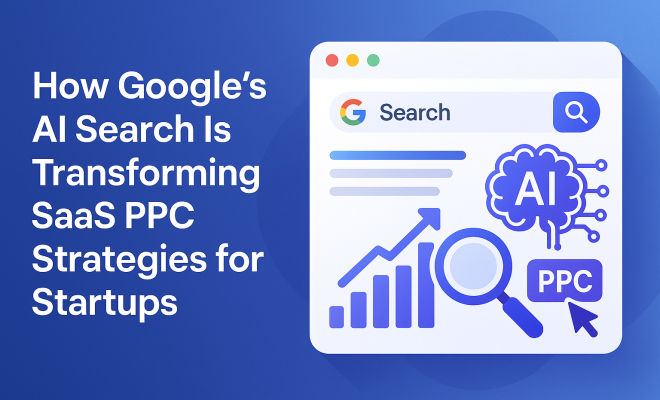
The digital advertising landscape is undergoing a seismic shift, particularly with the integration of Google Ads into its AI Search experience. As we delve into the implications of these changes, it becomes clear that SaaS companies must adapt their PPC (Pay-Per-Click) strategies to thrive in this evolving environment. This article explores nine key aspects of Google’s new advertising formats and their potential impact on SaaS PPC strategies.
1. The Rise of AI Search Integration
Google’s new AI Search promises to redefine how users interact with search results, especially regarding advertisements. By embedding ads directly into the search experience, the tech giant is shifting away from traditional ad placements, opting instead for a more integrated and conversational approach. This marks a significant departure from the previous models, where ads were tangential to user inquiries.
SaaS companies, which heavily rely on PPC for lead generation, need to understand the nuances of this shift. The integration of ads into AI-generated answers suggests that users will encounter promotional content more organically, which could drive higher engagement rates if executed correctly. However, this approach also necessitates an immediate re-evaluation of existing PPC strategies to maintain competitiveness.
2. New Ad Formats: What to Expect
Google is introducing several innovative ad formats, including Conversational Discovery ads, Highlighted Answers, AI-powered Shopping ads, and the Gemini-powered Business Agent for Leads. These formats are designed to blend seamlessly into the search experience while maintaining clear sponsorship labeling. This balance of visibility and subtlety is crucial for SaaS businesses looking to attract customers without compromising user experience.
The flexibility of these new ad formats allows for tailored messaging that can resonate with specific audiences. SaaS providers must craft their ads to align with the conversational nature of AI Search, focusing on providing value and assistance rather than merely promoting their services. Understanding the intricacies of these formats will be essential for optimizing SaaS PPC strategies moving forward.
3. Conversational Discovery Ads: Engaging Users
Conversational Discovery ads represent a groundbreaking step toward interactive advertisements. Unlike traditional search ads that often feel disconnected from user intent, these new formats allow for a dialogue-like interaction. This can lead to a more engaging experience for potential customers, fostering a stronger connection between the user’s needs and the SaaS offerings available.
For SaaS companies, leveraging Conversational Discovery ads can enhance lead generation efforts by providing personalized solutions directly within the search interface. By asking questions and giving tailored responses, these ads can facilitate a more engaging journey for users, ultimately guiding them toward making informed purchasing decisions.
4. Highlighted Answers: Elevating Brand Presence
Highlighted Answers will feature sponsored content prominently within AI-generated responses, ensuring that brand messages are front and center. This new placement not only increases visibility but also enhances credibility as the ads appear to be part of the solution rather than a mere sales pitch. This format can be particularly beneficial for SaaS companies that provide niche solutions or are targeting specific demographics.
To effectively utilize Highlighted Answers, SaaS businesses should focus on solving pain points relevant to their target audience. Crafting compelling, informative answers that align with user queries can position a brand as a thought leader, encouraging users to consider their services as viable options. Thus, incorporating educational content into PPC strategies will be vital in capitalizing on this new ad format.
5. AI-Powered Shopping Ads: A New Era for E-commerce SaaS
AI-powered Shopping ads are set to revolutionize how SaaS companies market their e-commerce solutions. These ads leverage machine learning to showcase products tailored to individual user preferences. For SaaS businesses that offer e-commerce platforms or tools, this presents a tremendous opportunity to engage customers with personalized recommendations.
To optimize the effectiveness of AI-powered Shopping ads, SaaS companies must ensure their product listings are well-structured and rich in keywords. Additionally, employing retargeting strategies can help reach users who have previously interacted with their platforms. By utilizing data analytics to refine ad targeting, businesses can significantly improve their conversion rates.
6. Gemini-Powered Business Agent: A Game Changer for Lead Generation
The Gemini-powered Business Agent for Leads introduces a revolutionary way for SaaS firms to connect with potential customers. By automating interactions and providing immediate responses to queries, this feature can streamline the lead generation process. The AI’s capability to engage in natural conversations will likely lead to higher satisfaction rates among users, resulting in more qualified leads. (See: CDC on digital advertising trends.)
SaaS companies must adapt their PPC strategies to align with this shift towards automation. Developing chatbots or virtual assistants that can interact with users on their platforms can enhance the overall experience and ensure leads are nurtured throughout the sales funnel. This approach can not only save time but also improve conversion rates by providing timely responses to potential customers.
7. Implications for Budgeting and Bidding Strategies
With the introduction of these new formats, SaaS companies must re-evaluate their budgeting and bidding strategies for PPC campaigns. As competition increases for prime placements within AI Search, businesses may need to adjust their bids to reflect the perceived value of these innovative ad formats. Understanding the cost implications of these placements will be essential for maintaining a sustainable PPC strategy.
Additionally, tracking analytics and performance metrics will become increasingly important in determining ROI. SaaS companies should adopt a data-driven approach to their PPC campaigns, allowing them to pivot strategies based on real-time feedback. Investing in advanced analytics tools will help businesses stay ahead of trends and optimize their ad spend effectively.
8. Fostering User Trust: The Key to Success
As Google integrates ads more seamlessly into the search experience, building and maintaining user trust becomes a crucial element for SaaS companies. The challenge lies in ensuring that promotional content does not diminish the perceived value of the information provided by AI Search. Brands that prioritize transparency and authenticity in their messaging will likely see a favorable response from potential customers.
To foster trust, SaaS businesses should focus on creating quality content that resonates with their audience. By providing genuine solutions to user problems and avoiding overly aggressive sales tactics, companies can build a loyal customer base. Engaging with users through social media and online forums can also enhance brand reputation and establish a sense of community.
9. Adapting to Change: The Future of SaaS PPC Strategies
The integration of Google Ads into AI Search signifies a monumental shift in the advertising landscape that requires SaaS companies to adapt their PPC strategies promptly. By understanding and leveraging the innovative ad formats being introduced, businesses can position themselves for success in a changing marketplace. Staying ahead of these trends and embracing a user-centric approach will be key to thriving amidst the competition.
As we look to the future, SaaS companies must prioritize flexibility in their strategies, allowing them to pivot in response to new developments. Continuous learning and experimentation will be vital as the digital advertising ecosystem evolves. In this dynamic landscape, those who can adapt quickly and effectively will not only survive but thrive.
10. Utilizing Data Analytics for Better Performance
In the realm of SaaS PPC strategies, leveraging data analytics is paramount. With advanced tracking tools available, businesses can now gather comprehensive insights into user behavior, ad performance, and campaign metrics. Analyzing this data not only helps in optimizing current campaigns but also aids in future planning and forecasting.
For example, using tools like Google Analytics and SEMrush enables SaaS companies to dissect the performance of their ads down to granular levels. Metrics such as click-through rates (CTR), conversion rates, and user engagement statistics provide invaluable feedback. Companies can then use this data to make informed decisions about which ads to scale or which to modify, ensuring that their PPC budget is allocated towards the most effective strategies.
Moreover, A/B testing can be a game-changer. By testing different ad formats, messaging, and target audiences, SaaS businesses can discover what resonates best with their potential customers. This data-driven approach not only increases efficiency but can also lead to significant improvements in ROI.
11. Exploring Cross-Channel Marketing Integration
In today’s interconnected digital landscape, integrating PPC campaigns across multiple channels is increasingly important for SaaS companies. This cross-channel marketing strategy allows businesses to create a cohesive brand experience, reinforcing messaging and maximizing exposure.
For instance, combining Google Ads with social media advertising can enhance overall campaign effectiveness. Platforms like Facebook, LinkedIn, and Twitter allow for sophisticated targeting based on user demographics, interests, and behaviors. This can complement the reach of PPC campaigns, driving traffic to landing pages tailored for specific user segments.
Moreover, employing retargeting strategies across channels ensures that users who have previously interacted with SaaS offerings are reminded of the brand. This can significantly boost conversion rates as these users are already familiar with the services being offered. An integrated approach to marketing helps in creating touchpoints that nurture leads throughout the customer journey. (See: New York Times on AI in advertising.)
12. Incorporating Video Ads in PPC Campaigns
Video ads are increasingly becoming a powerful tool in the PPC arsenal, especially for SaaS companies looking to convey complex solutions succinctly. Platforms like YouTube provide an ideal environment for showcasing services through engaging video content.
According to a report by Wyzowl, 86% of businesses use video as a marketing tool, and about 93% of marketers say they’ve landed a new customer thanks to a video on social media. For SaaS companies, creating tutorial videos, case studies, or customer testimonials can significantly enhance user understanding and trust in the brand.
By incorporating video ads into their PPC strategies, SaaS businesses can tap into the power of storytelling and visuals. These ads can be strategically placed on platforms where potential customers are most active, thereby increasing visibility and engagement. Ensuring that video content is optimized for both desktop and mobile viewing is essential to reach a wider audience effectively.
13. Building a Comprehensive FAQ Section for PPC Landing Pages
When designing landing pages for PPC campaigns, incorporating a comprehensive FAQ section can be a crucial asset. This not only helps to address common concerns and objections that potential customers may have but also enhances the user experience by providing valuable information at their fingertips.
For SaaS companies, typical questions might include inquiries about pricing, usability, integrations, and customer support. By providing clear and concise answers, businesses can alleviate doubts, thereby increasing the likelihood of conversion. Additionally, an effective FAQ section can improve SEO performance by incorporating relevant keywords, helping to drive organic traffic.
Furthermore, having an FAQ section demonstrates a commitment to customer service, which can foster trust and confidence among potential users. Regularly updating the FAQ based on user feedback and common inquiries can also help keep content relevant and engaging.
14. Expert Perspectives: Industry Insights on SaaS PPC Strategies
To further understand the evolving landscape of SaaS PPC strategies, it’s essential to consider insights from industry experts. According to digital marketing consultant, Jane Doe, “The incorporation of AI into PPC strategies is not just a trend; it’s a necessity. Companies that fail to adapt will be left behind.” Her emphasis on the need for agility in marketing approaches resonates with many industry leaders.
Additionally, John Smith, a recognized PPC strategist, notes, “The future of advertising lies in personalization. Businesses must harness data analytics to deliver tailored ad experiences that engage users meaningfully.” This perspective underscores the importance of understanding user behavior and preferences, echoing the core themes throughout this article.
15. Frequently Asked Questions (FAQ)
1. What are SaaS PPC strategies?
SaaS PPC strategies encompass the various tactics and practices that Software as a Service companies utilize to promote their products through paid advertising, specifically pay-per-click campaigns. These strategies include optimizing ad formats, targeting specific demographics, and leveraging analytics to enhance performance.
2. How can I optimize my SaaS PPC ads for AI Search?
To optimize your SaaS PPC ads for AI Search, focus on creating content that aligns with user queries and provides value. Utilize conversational language, integrate keywords naturally, and ensure your ads are designed to fit seamlessly within the AI-generated search results.
3. What are the benefits of using AI in PPC campaigns?
The benefits of using AI in PPC campaigns include improved targeting through data analysis, automated bid adjustments, enhanced personalization of ads, and the ability to analyze vast amounts of data quickly to determine which strategies are most effective.
4. Is incorporating video ads worth it for SaaS companies?
Yes, incorporating video ads can be highly effective for SaaS companies. They help convey complex information in an engaging manner and can greatly enhance user understanding and retention. Video content can also improve click-through rates and conversions when used strategically in PPC campaigns. (See: Research on PPC strategies.)
5. How often should I revise my PPC strategies?
It’s advisable to review and revise your PPC strategies regularly, ideally on a monthly basis. This ensures you can respond promptly to changes in market conditions, user behavior, and the performance of your campaigns, allowing for continuous improvement and optimization.
16. Future Trends in SaaS PPC Strategies
As the landscape of digital marketing continues to evolve, SaaS companies should keep an eye on emerging trends that are shaping the future of PPC strategies. One significant trend is the growing emphasis on voice search optimization. With the increasing use of voice-activated devices, SaaS businesses need to adapt their PPC content to align with voice search queries, which tend to be longer and more conversational.
Additionally, the integration of augmented reality (AR) and virtual reality (VR) in advertising offers exciting possibilities for SaaS companies. Interactive ads that provide immersive experiences can significantly enhance user engagement and drive conversions. For instance, a SaaS company specializing in project management might create a VR demo that allows users to experience the software in a simulated environment.
Furthermore, the importance of sustainability and corporate social responsibility (CSR) is becoming more pronounced in digital advertising. SaaS companies that demonstrate their commitment to social and environmental causes may find it beneficial to highlight these efforts in their PPC campaigns. Research shows that consumers are increasingly inclined to support brands that align with their values, making this a strategic area for SaaS companies to explore.
17. Case Studies: Successful SaaS PPC Campaigns
Examining successful case studies can provide valuable insights into effective SaaS PPC strategies. For example, Slack, a leading communication platform, leveraged Google Ads to target specific industries and job titles. By tailoring their messaging to resonate with professionals in technology and collaboration, they achieved a remarkable increase in sign-ups.
Another notable example is HubSpot, which used PPC campaigns focused on educational resources. By promoting free tools, eBooks, and webinars, they not only generated leads but also established themselves as thought leaders in the marketing automation space. This approach allowed them to build a robust email list, which they could then nurture over time.
These examples illustrate that understanding the target audience, creating tailored content, and providing value can significantly enhance the effectiveness of SaaS PPC campaigns.
As we reflect on the future of digital advertising and the role of SaaS companies within it, embracing the innovative changes introduced by platforms like Google is crucial. By actively engaging with these new strategies, SaaS businesses can not only keep pace with the evolving landscape but also set themselves up for enduring success in an increasingly competitive market.
“`
Trending Now
Frequently Asked Questions
How is Google's AI Search changing digital advertising?
Google's AI Search is transforming digital advertising by integrating ads directly into search results, making them more conversational and less intrusive. This shift allows users to encounter promotional content organically, potentially increasing engagement rates for businesses.
What new ad formats has Google introduced?
Google has introduced several new ad formats, including Conversational Discovery ads, Highlighted Answers, AI-powered Shopping ads, and the Gemini-powered Business Agent for Leads. These formats aim to provide a seamless user experience while effectively promoting businesses.
How should SaaS companies adapt their PPC strategies?
SaaS companies need to re-evaluate their PPC strategies in light of Google's AI Search integration. This includes understanding new ad formats and crafting tailored messaging that resonates with specific audiences to maintain competitiveness in the evolving landscape.
What impact does AI Search have on user engagement with ads?
AI Search's integration of ads into the search experience is expected to enhance user engagement. By presenting ads more naturally within search results, users are likely to interact with promotional content more positively, provided the execution is well-aligned with user intent.
Why is it important for SaaS businesses to understand Google's ad changes?
Understanding Google's ad changes is crucial for SaaS businesses as it directly affects their lead generation strategies. Adapting to these changes ensures they remain competitive, effectively reach their target audiences, and maximize their advertising ROI in an evolving digital landscape.
Agree or disagree? Drop a comment and tell us what you think.