Childhood Cancer Survivors: Financial Hardship & Health in 2024
“`html
Childhood cancer survivors embody resilience, having overcome one of life’s most daunting challenges. However, a recent study sheds light on a troubling reality: surviving cancer does not guarantee a healthy lifestyle. The study, published in the JAMA Network Open, revealed a strong correlation between financial hardship and unhealthy lifestyle choices among childhood cancer survivors. This article explores the implications of these findings, the importance of survivorship care plans, and actionable steps to ensure that these young adults can lead fulfilling, healthy lives.
Understanding the Study: Key Findings
The systematic investigation focused on the lifestyle and surveillance adherence of childhood cancer survivors. Researchers found that those facing financial difficulties exhibited higher odds of physical inactivity, smoking, abnormal body mass index (BMI), and generally unhealthy lifestyle behaviors. These alarming results highlight a critical connection between long-term survivorship and everyday health habits.
Furthermore, the study illustrates how financial stressors are not merely inconveniences but significant barriers that can deter individuals from maintaining healthy habits. It emphasizes that wealth and stability are pivotal to the quality of life for these survivors, often impacting their long-term health outcomes.
The Impact of Financial Hardship on Lifestyle Choices
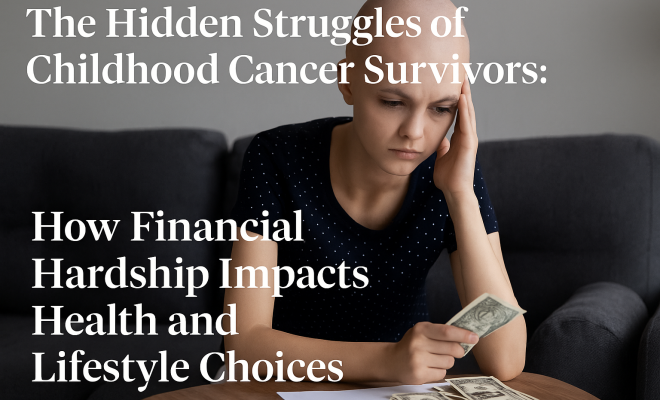
Financial hardship can manifest in various ways, often leading to a cascade of unhealthy decisions. For childhood cancer survivors, these choices may include skipping gym memberships due to costs, opting for cheaper fast food over nutritious meals, and neglecting regular medical check-ups that can catch potential health issues early.
Furthermore, the psychological burden of financial stress can lead to increased rates of smoking and physical inactivity. Survivors may turn to smoking as a coping mechanism, reflecting a troubling trend where the very survivors who fought against cancer find themselves engaging in behaviors that could jeopardize their hard-won health.
What Are Survivorship Care Plans?
Survivorship care plans are essential documents designed for cancer survivors that outline follow-up care, screenings, and health promotion strategies tailored to their specific needs. These plans provide a roadmap for both patients and healthcare providers, ensuring that survivors receive continuous support in managing their health.
The inclusion of survivorship care plans is vital because they offer targeted resources and guidelines that can mitigate the adverse impacts of financial hardship on lifestyle choices. By providing survivors with a structured approach to health management, these plans can play a key role in fostering healthier behaviors.
Barriers to Adhering to Survivorship Care Plans
Even with the existence of survivorship care plans, adherence can be challenging due to various barriers. For many survivors, financial constraints may limit access to healthcare services or necessary resources. For instance, the high costs of nutritious food, fitness programs, or even transportation to medical appointments can deter individuals from following their care plans.
Moreover, there is often a lack of awareness and understanding of the importance of these care plans among survivors. Many may not fully comprehend the long-term implications of their cancer treatment, leading to a casual approach toward their health management. This lack of knowledge can further compound the issues stemming from financial hardships.
Long-Term Health Risks for Childhood Cancer Survivors
Childhood cancer survivors face unique long-term health risks, many of which are exacerbated by unhealthy lifestyle choices. Survivors are at an increased risk for various complications, including cardiovascular diseases, secondary cancers, and metabolic disorders, largely due to the late effects of treatment and lifestyle factors.
Research indicates that survivors who maintain a healthy lifestyle—including regular exercise, balanced nutrition, and smoking cessation—can significantly reduce their risks of these complications. However, the study underscores that financial stress can hinder these efforts, emphasizing the need for targeted interventions and support systems. (See: CDC on cancer survivorship.)
Actionable Steps for Childhood Cancer Survivors
For childhood cancer survivors navigating financial hardship, there are actionable steps that can help them maintain a healthier lifestyle:
- Access Local Resources: Many communities offer free or low-cost resources such as fitness programs, nutrition workshops, or support groups specifically for cancer survivors.
- Utilize Survivorship Care Plans: Engage with healthcare providers to create or update survivorship care plans that address individual health needs and challenges.
- Practice Stress Management: Explore stress-relief techniques like mindfulness, yoga, or meditation, which can have a positive impact on mental and physical health.
- Build a Support Network: Connect with fellow survivors or support groups to share experiences and strategies for overcoming common barriers.
The Role of Healthcare Providers
Healthcare providers play a crucial role in supporting childhood cancer survivors, particularly in the context of financial stress. It is essential for providers to proactively engage with survivors, assessing their social determinants of health, including economic factors that could affect their lifestyle choices.
By fostering open communication and providing resources, healthcare providers can help survivors navigate financial challenges and adhere to their survivorship care plans. This might include referrals to social services or financial counseling, which can empower survivors to make healthier lifestyle choices despite economic pressures.
The Broader Implications for Public Health
The findings of the study not only highlight individual struggles but also signal a broader public health concern. The intersection of financial hardship and health behaviors among childhood cancer survivors reflects systemic inequalities that can affect overall health outcomes.
Addressing these issues requires comprehensive public health strategies that consider the unique needs of cancer survivors, especially those facing economic difficulties. This might include policy changes aimed at reducing healthcare costs, increasing access to nutritious foods, or expanding mental health services.
Conclusion: A Call to Action
The journey of childhood cancer survivors is undoubtedly inspiring, yet it is marred by the harsh realities of financial hardship and its impact on health behaviors. As evidenced by the study, surviving cancer does not guarantee a healthy lifestyle, particularly when economic stress is present.
It is imperative for society, healthcare providers, and policymakers to recognize the unique challenges faced by this population. By promoting awareness and enhancing support systems—such as effective survivorship care plans—we can help ensure that childhood cancer survivors not only survive but thrive in their post-cancer lives.
Exploring the Components of Survivorship Care Plans
Survivorship care plans are multi-faceted documents that should encompass various elements to be effective. These components include:
- Medical History: A comprehensive overview of the survivor’s cancer diagnosis, treatment history, and any ongoing medical concerns.
- Recommended Follow-Up Care: Detailed information on necessary follow-up appointments and screenings to monitor for late effects of treatment.
- Health Promotion Strategies: Guidelines for maintaining a healthy lifestyle, including nutrition recommendations, exercise plans, and mental health resources.
- Support Resources: Information on support services available to survivors, including counseling, financial assistance, and community resources.
Statistics on Childhood Cancer Survivorship
The statistics surrounding childhood cancer survivorship are both encouraging and concerning. According to the National Cancer Institute, the 5-year survival rate for childhood cancer has improved significantly over the last few decades, now exceeding 80% for many types of cancer. However, it is estimated that 60% of childhood cancer survivors will experience at least one chronic health condition related to their treatment, with nearly 30% facing severe or life-threatening conditions.
This stark contrast highlights the importance of survivorship care plans, as many of these chronic health conditions can be managed or mitigated with proper follow-up care and lifestyle adjustments.
Expert Perspectives on Survivorship Care Plans
Experts in the field emphasize the critical nature of survivorship care plans. Dr. Susan Weiner, an oncologist specializing in pediatric cancer, notes, “Survivorship care plans are not just a checklist; they are vital tools that help bridge the gap between treatment and long-term health management.” Her perspective underscores the necessity for these plans to be personalized, addressing the unique needs and circumstances of each survivor.
Moreover, Dr. James Anderson, a health economist, states, “By investing in survivorship care plans and the resources needed to support them, we can ultimately reduce healthcare costs associated with late effects of cancer treatment.” This highlights a dual benefit of survivorship care plans—not only do they provide individualized care, but they can also yield economic benefits by preventing costly health complications.
Comparative Analysis: Survivorship Care Plans Across Different Cancers
The importance and structure of survivorship care plans can vary depending on the type of cancer. For example: (See: NIH study on financial hardship.)
- Breast Cancer Survivors: Survivorship care plans often focus on monitoring for recurrence, managing hormonal therapies, and addressing psychosocial concerns due to the impact on body image.
- Childhood Leukemia Survivors: Plans may emphasize the need for regular cardiac evaluations due to the increased risk of heart disease from chemotherapy and radiation.
- Pediatric Brain Tumor Survivors: Survivorship care plans typically include cognitive assessments and rehabilitation strategies to address potential challenges with learning and memory.
This comparative analysis illustrates the need for tailored survivorship care plans that not only address the type of cancer but also the unique treatment regimens and their associated long-term effects.
Frequently Asked Questions (FAQ)
What is the primary goal of survivorship care plans?
The primary goal of survivorship care plans is to provide a structured approach to follow-up care and health management, ensuring that survivors receive appropriate screenings, preventive measures, and resources to maintain optimal health following cancer treatment.
How can childhood cancer survivors access survivorship care plans?
Childhood cancer survivors can access survivorship care plans through their healthcare providers. Many hospitals and cancer treatment centers offer templates or guidelines for creating personalized plans tailored to the survivor’s specific needs and treatment history.
Are survivorship care plans legally required?
While survivorship care plans are not legally mandated, many healthcare institutions recognize their importance and encourage their use as part of comprehensive cancer care. Some states have also initiated legislation to promote the development and distribution of survivorship care plans.
How often should survivorship care plans be updated?
Survivorship care plans should be reviewed and updated regularly, ideally during follow-up visits with healthcare providers. Changes in health status, new medical concerns, or shifts in personal circumstances may warrant modifications to the plan.
Can financial assistance programs help with following survivorship care plans?
Yes, various financial assistance programs can help childhood cancer survivors access the resources needed to adhere to their survivorship care plans. These programs may cover costs related to medical appointments, nutritional counseling, or fitness programs, thereby alleviating some of the financial burdens that hinder healthy lifestyle choices.
Conclusion: A Comprehensive Approach to Survivorship
As we delve deeper into the implications of the study and the role of survivorship care plans, it becomes clear that a comprehensive approach is necessary for improving the health outcomes of childhood cancer survivors. This includes not just the provision of survivorship care plans but also the incorporation of financial and psychological support systems that can empower these individuals to lead healthier lives.
By recognizing the multifaceted challenges faced by childhood cancer survivors and implementing holistic strategies, we can work towards ensuring that they not only survive but thrive in their post-cancer journeys.
Enhancing Survivorship Care Plans with Technology
In the digital age, technology plays a significant role in enhancing survivorship care plans. Various applications and online platforms are designed to help survivors manage their health more effectively. These tools can include:
- Health Tracking Apps: These allow survivors to monitor their daily activities, medication schedules, and nutritional intake, making it easier to adhere to their survivorship care plans.
- Telehealth Services: Telehealth enables survivors to consult with healthcare providers remotely, reducing the barriers of transportation and potentially lowering costs associated with in-office visits.
- Online Support Groups: Digital platforms provide access to community support, where survivors can share experiences and receive encouragement from their peers.
Integrating technology into survivorship care plans not only enhances adherence but also empowers survivors to take an active role in their health management. (See: WHO facts on cancer.)
The Importance of Psychological Support in Survivorship
The psychological effects of childhood cancer can persist long after treatment ends. Survivors may face anxiety, depression, or PTSD related to their cancer experience, which can significantly impact their ability to follow survivorship care plans. Providing psychological support is crucial in this context. Here are some key points to consider:
- Counseling Services: Mental health professionals can offer survivors coping strategies and therapeutic interventions to manage emotional challenges.
- Peer Support Programs: Connecting survivors with others who have shared similar experiences can foster a sense of belonging and understanding.
- Mindfulness and Relaxation Techniques: Programs focusing on mindfulness, meditation, and relaxation can help survivors manage stress and improve their overall mental well-being.
By addressing the psychological needs of childhood cancer survivors, we can facilitate better adherence to survivorship care plans and promote healthier lifestyle choices.
Longitudinal Studies on Survivorship Care Plans
Ongoing research into the efficacy of survivorship care plans is crucial for improving their design and implementation. Longitudinal studies can provide insights into how these plans affect health outcomes over time. For example:
- Tracking Health Outcomes: Researchers can monitor the health of survivors over several years to determine the long-term benefits of adhering to care plans.
- Identifying Gaps: Longitudinal studies can help identify which components of survivorship care plans are most effective and which areas need improvement.
- Assessing Cost-Effectiveness: Evaluating the financial implications of survivorship care plans can provide valuable information for policymakers and healthcare providers.
Investing in research efforts will ultimately strengthen survivorship care plans and enhance the quality of life for childhood cancer survivors.
Community Initiatives for Supporting Survivorship
Community-based initiatives play a pivotal role in supporting childhood cancer survivors and enhancing their survivorship care plans. Local organizations often provide resources and programs tailored to meet the needs of survivors, such as:
- Wellness Programs: Many communities offer wellness programs that focus on exercise, nutrition, and mental health specifically for cancer survivors.
- Advocacy Groups: Community organizations can advocate for policies that improve access to care and resources for childhood cancer survivors.
- Educational Workshops: Workshops that educate survivors and their families about managing health post-cancer can increase awareness and adherence to care plans.
Engaging with community initiatives fosters a supportive environment that empowers survivors to take charge of their health and well-being.
Future Directions for Survivorship Care Plans
Looking ahead, the future of survivorship care plans can be significantly enhanced by implementing more personalized and patient-centered approaches. Future directions may include:
- Incorporating Genetic Testing: Understanding the genetic predispositions of survivors can help tailor survivorship care plans more effectively.
- Developing Interactive Digital Tools: Creating user-friendly digital platforms that can dynamically update care plans based on real-time data input from survivors.
- Enhancing Collaborative Care Models: Encouraging collaboration between oncologists, primary care physicians, and mental health professionals to create a more comprehensive care approach.
By evolving survivorship care plans to meet the changing needs of childhood cancer survivors, we can better support their journey towards a healthier future.
“`
Trending Now
Frequently Asked Questions
What are the challenges faced by childhood cancer survivors?
Childhood cancer survivors often struggle with various challenges, including financial hardship, which can lead to unhealthy lifestyle choices. Many face barriers such as physical inactivity, poor dietary habits, and mental health issues, all of which can significantly impact their long-term health outcomes.
How does financial hardship affect health choices in cancer survivors?
Financial hardship can lead childhood cancer survivors to make unhealthy lifestyle choices, such as skipping gym memberships, opting for cheaper fast food, and avoiding regular medical check-ups. This financial stress can contribute to physical inactivity and smoking, further diminishing their overall health.
What is a survivorship care plan?
A survivorship care plan is a personalized strategy designed to address the unique health needs of childhood cancer survivors. It typically includes guidelines for follow-up care, screenings, and lifestyle recommendations to help survivors maintain their health and prevent long-term complications.
Why is the quality of life important for childhood cancer survivors?
The quality of life for childhood cancer survivors is crucial as it directly influences their physical and mental health. Financial stability plays a significant role in their ability to make healthy lifestyle choices, which can impact their long-term well-being and overall health outcomes.
What are the long-term health impacts of childhood cancer?
Childhood cancer can lead to long-term health impacts, including increased risks of chronic diseases, psychological issues, and unhealthy lifestyle behaviors. Survivors may experience challenges related to their treatment, financial stress, and the need for ongoing medical care, all of which can affect their overall health.
Agree or disagree? Drop a comment and tell us what you think.