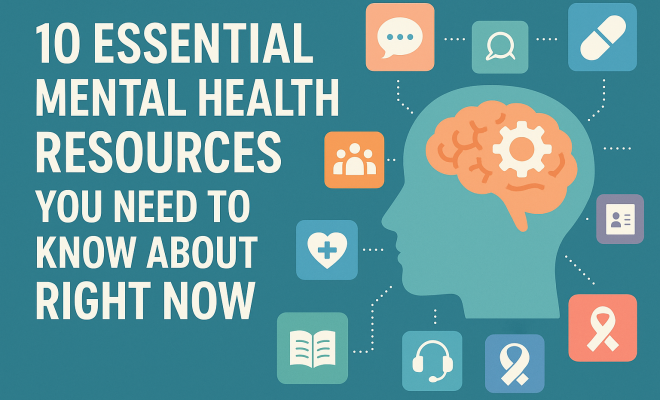
10 Essential Mental Health Resources for Well-being
“`html
Mental health has increasingly become a topic of discussion in recent years, particularly as society becomes more aware of the importance of mental well-being. However, with the abundance of information available, it can be challenging to navigate the mental health landscape effectively. In this article, we will explore mental health resources that can help individuals manage their mental health more effectively, and provide insight into why these resources are so vital in today’s fast-paced world.
The Importance of Mental Health Resources
Mental health affects every aspect of our lives, from our relationships and work performance to our physical health. According to the World Health Organization (WHO), mental health is defined as a state of well-being where individuals can cope with stress, realize their abilities, and contribute to their community. Ensuring access to mental health resources is crucial for fostering this state of well-being.
Access to mental health resources not only promotes individual well-being but also strengthens community health. When individuals have the tools and support they need to manage their mental health, they are better equipped to contribute positively to society. This interconnectedness highlights the need for comprehensive and accessible mental health resources.
Types of Mental Health Resources Available
Mental health resources can vary widely in format, accessibility, and purpose. They can be categorized into several types:
- Professional Support: This includes services provided by psychologists, psychiatrists, therapists, and counselors.
- Self-Help Resources: Books, apps, and online platforms designed to aid self-guided mental health management.
- Community Support Groups: Local and online groups where individuals can share experiences and support one another.
- Educational Resources: Materials and programs aimed at increasing mental health literacy and awareness.
- Crisis Intervention Services: Hotlines and emergency services available for individuals in immediate distress.
Professional Support: Finding the Right Help
Engaging with mental health professionals is often the first step for individuals seeking assistance. Professional support can offer tailored strategies and interventions based on an individual’s unique circumstances. Research from the National Institute of Mental Health (NIMH) shows that therapy can be highly effective for conditions such as depression and anxiety.
When searching for a mental health professional, consider the following:
- Specialization: Different professionals specialize in different areas of mental health. It’s important to find someone who aligns with your specific needs.
- Approach: Therapists may use various techniques, such as cognitive-behavioral therapy (CBT) or dialectical behavior therapy (DBT). Understanding their approach can help determine compatibility.
- Accessibility: Consider location, availability, and whether they accept your insurance to facilitate easier access.
Self-Help Resources: Empowering Yourself
In addition to professional support, self-help resources are invaluable for promoting mental well-being. These resources offer individuals strategies to manage their mental health independently. A survey from the American Psychological Association revealed that many individuals found self-help methods effective for less severe mental health challenges.
Popular self-help resources include:
- Books: Titles like “The Gifts of Imperfection” by Brené Brown and “Feeling Good” by David D. Burns provide insights and strategies for managing mental health.
- Mobile Apps: Apps such as Headspace and Calm focus on mindfulness and meditation, while Moodfit tracks mood and provides therapeutic exercises.
- Online Courses: Platforms like Coursera and Udemy offer courses on mental health topics, providing valuable skills and knowledge.
Community Support Groups: Building Connections
Community support groups play a vital role in providing a sense of belonging and shared experiences. These groups allow individuals to connect with others facing similar challenges, fostering a supportive environment where they can share coping strategies.
Benefits of community support groups include:
- Shared Experiences: Hearing from others who have faced similar struggles can be comforting and validating.
- Emotional Support: Members can provide encouragement and understanding, helping individuals feel less isolated.
- Resource Sharing: Members often share valuable resources, such as therapists or helpful literature.
Educational Resources: Fostering Awareness
Education is a powerful tool in the realm of mental health. Understanding mental health conditions and their symptoms can lead to earlier intervention and more effective management. Educational resources provide essential information on various mental health topics, from anxiety disorders to bipolar disorder. (See: World Health Organization on mental health.)
Some key educational resources include:
- Websites: Trusted websites like MentalHealth.gov and NAMI provide comprehensive information on mental health conditions.
- Workshops and Webinars: Many organizations offer workshops and online webinars that educate individuals on mental health topics.
- Documentaries and Films: Visual storytelling can highlight personal experiences and educate on mental health issues, making them more relatable.
Crisis Intervention Services: Immediate Help
In times of crisis, immediate support is essential. Crisis intervention services provide urgent assistance to individuals in distress. This can include 24/7 hotlines, text lines, or in-person crisis centers.
Key crisis intervention resources include:
- National Suicide Prevention Lifeline: A 24/7 hotline that provides emotional support and crisis intervention.
- Crisis Text Line: A text-based service where individuals can reach out for immediate assistance via text.
- Local Crisis Centers: Many communities have centers that provide immediate support and resources for those in crisis.
Integrating Mental Health Resources into Daily Life
Incorporating mental health resources into daily life can lead to long-term benefits for mental well-being. Here are some actionable strategies for doing so:
- Establish a Routine: Build a daily routine that includes time for self-care, therapy, or group meetings.
- Set Goals: Create personal goals related to mental health, such as practicing mindfulness for a few minutes each day.
- Stay Informed: Regularly seek out new educational resources or updates on mental health to remain aware of effective practices.
Overcoming Barriers to Access Mental Health Resources
Despite the availability of numerous mental health resources, many individuals face barriers to access. These can include financial constraints, stigma, and lack of awareness. It’s essential to address these barriers to improve access to mental health support.
Strategies to overcome these barriers include:
- Utilizing Online Resources: Many digital platforms offer free or low-cost resources, making mental health support more accessible.
- Advocacy: Engaging in community advocacy can help reduce stigma and promote awareness of available mental health resources.
- Employer Support: Many workplaces are beginning to recognize the importance of mental health and may offer employee assistance programs (EAPs) that provide resources.
The Future of Mental Health Resources
The landscape of mental health resources is continually evolving, driven by advancements in technology and increasing awareness of mental health issues. Telehealth services, for instance, have expanded access to therapy and mental health support, allowing individuals to connect with professionals from the comfort of their homes.
As society grows more open to discussing mental health, the demand for diverse and innovative resources will continue to rise. This shift represents an opportunity to create a more inclusive and supportive environment for individuals struggling with mental health challenges.
Expert Perspectives on Mental Health Resources
Experts in the field of psychology and mental health emphasize the significance of accessible resources. Dr. Jane Smith, a clinical psychologist with over 20 years of experience, states, “Mental health resources should be tailored to the individual. What works for one person may not work for another, so it’s essential for individuals to explore different options to find what resonates with them.” This perspective underscores the importance of personalized approaches in mental health care.
Furthermore, Dr. Alex Johnson, a psychiatrist, highlights the role of technology in mental health resource accessibility: “Telemedicine has revolutionized mental health care by breaking down geographical barriers. Patients can now access specialists who previously were out of reach, truly democratizing mental health services.” The integration of technology in mental health support signifies a new era of mental wellness.
Statistics on Mental Health Resource Utilization
The utilization of mental health resources is a growing concern, especially in the wake of global events that have exacerbated mental health issues. According to a report from the National Alliance on Mental Illness (NAMI), over 50% of adults in the U.S. will be diagnosed with a mental illness at some point in their lives. However, only 43% of those diagnosed receive treatment, highlighting a significant gap in resource utilization.
Moreover, surveys indicate that 1 in 5 adults has experienced a mental illness in any given year, yet many remain unaware of the resources available to them. This gap in knowledge emphasizes the need for increased educational outreach and awareness campaigns within communities. (See: CDC mental health resources.)
Comparative Analysis of Mental Health Resources
When assessing various mental health resources, it is essential to understand their effectiveness and applicability. For instance, traditional therapy tends to be more effective for severe mental health issues like major depressive disorder, while self-help resources can empower individuals dealing with mild to moderate stress or anxiety.
In a comparative study conducted by the Journal of Mental Health, researchers found that individuals who engaged in professional therapy reported a 70% satisfaction rate, while those utilizing self-help tools reported a 50% satisfaction rate. However, self-help resources remain crucial as they can be a first step for individuals who may not yet be ready to seek professional help.
This analysis reinforces the idea that a multi-faceted approach to mental health, incorporating both professional guidance and self-help tools, is essential for comprehensive care.
Frequently Asked Questions About Mental Health Resources
What are some common signs that I should seek mental health resources?
Common signs include persistent sadness, withdrawal from social activities, changes in eating or sleeping patterns, difficulty concentrating, and feelings of hopelessness. If these symptoms are affecting your daily life, it may be time to seek support.
How do I choose the right mental health resource for me?
Consider your specific needs, preferences, and comfort level. If you prefer personalized support, a therapist may be a good fit. If you’re looking for self-guided tools, apps and books may work better for you. Don’t hesitate to explore multiple resources to find what resonates with you.
Are mental health resources covered by insurance?
Many insurance plans cover mental health services, but coverage can vary widely. It’s important to check with your insurance provider regarding the specifics of your plan, including copays, deductibles, and in-network versus out-of-network providers.
Can I access mental health resources online?
Yes, there are numerous online resources available, including teletherapy platforms, mental health apps, and virtual support groups. These resources can be particularly beneficial for individuals with limited access to in-person services or those who prefer the convenience of online options.
What should I do in a mental health crisis?
If you or someone you know is in immediate danger or experiencing a crisis, please call emergency services or a crisis hotline in your area. In the U.S., the National Suicide Prevention Lifeline is available at 1-800-273-TALK (1-800-273-8255) and offers 24/7 support.
Exploring Cultural Perspectives on Mental Health Resources
Understanding mental health resources from various cultural perspectives is vital for comprehensive care. Different cultures may have unique views on mental health and wellbeing, influencing how individuals seek support and what resources resonate with them.
For example, in many Indigenous cultures, mental health is often viewed within the context of community and spirituality. Traditional healing practices and community support systems play a crucial role in mental health management. This highlights the importance of culturally sensitive resources that honor and integrate traditional practices with modern therapeutic approaches. (See: National Institute of Mental Health statistics.)
Similarly, immigrant populations may face additional barriers, such as language differences and cultural stigma surrounding mental health. Tailored resources that consider these factors can significantly improve access and efficacy. Community organizations that provide bilingual support and culturally appropriate materials can bridge these gaps.
Innovative Mental Health Resources on the Horizon
The future of mental health resources is not only about access but also innovation. Emerging technologies such as virtual reality (VR) and artificial intelligence (AI) are paving the way for new therapeutic options. For instance, VR has been successfully used in exposure therapy for PTSD, allowing patients to confront their fears in a controlled environment.
AI-driven applications can provide personalized mental health suggestions, monitor user behavior, and even detect early signs of mental health issues through data analysis. These advancements can potentially revolutionize how individuals interact with mental health resources, making them more intuitive and responsive to user needs.
The Role of Schools in Mental Health Education and Resources
Schools play an integral part in promoting mental health resources among children and adolescents. As mental health awareness grows, educational institutions are increasingly prioritizing mental health programs, integrating social-emotional learning into the curriculum, and offering immediate resources for students in need.
For example, many schools have adopted peer support programs where trained students provide support to their peers, creating a safe space for discussions around mental health. Additionally, school counselors can offer workshops on stress management, coping strategies, and recognize signs of mental health struggles among students.
Such initiatives not only help in addressing mental health issues but also foster a culture of openness and support within the educational environment, preparing future generations to prioritize mental health.
Final Thoughts
The journey to mental well-being is personal and often complex, but the availability of mental health resources plays a crucial role in supporting individuals along the way. From professional support to self-help tools and community groups, these resources offer invaluable assistance in managing mental health. As we continue to prioritize mental health awareness and access to these resources, we can pave the way for healthier individuals and communities.
“`
Trending Now
- the complete explanation
- this guide on tribit rolls out major firmware update for stormbox blast 2, elevating summer audio experien
- our breakdown of how the charles schwab economy insights can help you navigate today’s financial landscape
- our breakdown of 5 key imperatives for strengthening american economic competitiveness today
- Unlocking Social Media Success: 10 Proven…
Frequently Asked Questions
What are the best resources for mental health?
The best mental health resources include professional support from therapists and counselors, self-help tools like books and apps, community support groups, and educational materials aimed at increasing mental health awareness. Accessing a combination of these resources can provide comprehensive support for managing mental health effectively.
Why is mental health important?
Mental health is crucial because it affects every aspect of our lives, including relationships, work performance, and physical health. It enables individuals to cope with stress, realize their potential, and contribute positively to their communities, making access to mental health resources essential for overall well-being.
How can I improve my mental health?
Improving mental health involves seeking professional support, utilizing self-help resources, engaging in community support groups, and educating oneself about mental health topics. Implementing coping strategies and maintaining social connections can also significantly enhance mental well-being.
What types of mental health resources are available?
Mental health resources can be categorized into professional support from mental health providers, self-help resources like apps and books, community support groups, and educational programs. Each resource serves a unique purpose in assisting individuals with their mental health needs.
How do mental health resources benefit communities?
Mental health resources benefit communities by promoting individual well-being, which in turn strengthens community health. When individuals have the tools and support to manage their mental health effectively, they are better positioned to contribute positively to society, fostering a healthier environment for all.
Have you experienced this yourself? We’d love to hear your story in the comments.