Parents Tracking Adult Children: Privacy Debate Heats Up
“`html
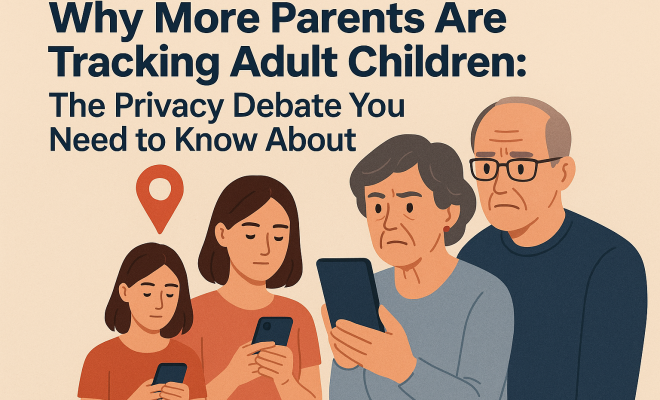
The landscape of parenting has undergone significant changes in recent years. One of the most notable shifts is the rise of technology in monitoring children, especially those who have crossed into adulthood. A recent survey from the University of Michigan reveals that over half of parents with children aged 18 to 25 are using smartphone apps to track their adult offspring. This trend raises critical questions about privacy, trust, and the evolving dynamics of family relationships.
The Rise of Tracking Apps
In today’s digital age, it seems nearly everyone has a smartphone. With this technology comes the ability to track locations, monitor movements, and even check in on daily activities. While this capability was initially utilized for younger children, it has now expanded to include adult children. Apps like Life360 and Find My Friends have gained traction among parents who feel that keeping tabs on their children is a way of providing safety and reassurance.
But why has this practice become so widespread? The reasons are as varied as the families themselves. For some parents, tracking their adult children offers peace of mind, especially when their children are navigating life transitions such as starting college, moving to a new city, or beginning their first job. Others may feel a sense of duty to protect their children from potential dangers, be they physical or emotional.
The Data Behind the Trend
The University of Michigan survey provides some compelling insights. Conducted with a representative sample of parents, the results show that more than 50% of parents with adult children are using tracking apps. This marks a significant shift from previous generations, where such practices were limited to minors. The implications of this data are profound, revealing not only a shift in parenting styles but also changing attitudes toward privacy and independence.
Interestingly, the survey also showed that the reasons for tracking varied significantly. While some parents cited safety and security as their primary motivations, others expressed a desire to maintain a connection with their children, particularly in times of uncertainty. This duality raises an important question: where does safety end and overreach begin?
Generational Perspectives on Tracking
To fully understand the nuances of tracking adult children, it’s crucial to explore the generational perspectives involved. For many younger adults, the idea of being tracked can feel suffocating. They often view their late teens and early twenties as a time for exploration, independence, and self-discovery. The use of tracking apps can be perceived as a betrayal of this autonomy.
In stark contrast, many parents view their actions as protective rather than intrusive. They may argue that they’ve earned the right to be concerned, especially given the world’s uncertainties today. From rising crime rates to mental health crises, parents feel a heightened sense of responsibility for their children’s well-being.
The Emotional Burden of Tracking
While tracking adult children can be framed as a safety measure, it’s essential to consider the emotional implications involved. For parents, there can be a certain level of anxiety that comes with knowing where their children are at all times. This anxiety often translates into a need for control, which can lead to strained relationships.
On the other side of the equation, adult children may feel a burden of pressure knowing they are being monitored. This can lead them to question their parents’ trust, potentially causing tension and resentment. The emotional fallout can create an ongoing cycle of conflict, where both parties feel misunderstood and undervalued.
Setting Boundaries: Finding the Balance
So how can families navigate the tricky waters of tracking adult children while maintaining trust and autonomy? Establishing clear and open lines of communication is crucial. Both parties should discuss the reasons behind tracking, setting boundaries that respect each individual’s comfort level.
For example, parents might agree to check in only when their child is traveling or facing a specific challenge. This approach allows them to maintain a safety net without infringing on their child’s freedom. On the other hand, adult children can express their needs for independence and voice any discomfort they may feel regarding constant tracking.
Alternative Approaches to Safety
While tracking apps may provide an immediate sense of safety, there are alternative ways to ensure the well-being of adult children that do not involve monitoring their every move. Encouraging open conversations about safety and establishing trust can often yield better results than relying on technology.
For instance, parents can emphasize the importance of self-defense measures, such as being aware of one’s surroundings and having emergency contacts readily available. Fostering a sense of independence can empower adult children to make wise choices without feeling like they are being watched constantly. (See: Associated Press on technology and parenting.)
Talking About Trust
The conversation surrounding tracking adult children ultimately revolves around trust. Parents must trust that their children are capable of making good decisions, while adult children need to trust that their parents have their best interests at heart. Building this trust takes time and effort from both sides.
Regular family meetings can serve as a platform for discussing concerns, expectations, and boundaries. These meetings can also be a space to share experiences and stories that highlight the importance of independence and responsibility. By fostering an environment of trust, families can navigate the challenges of modern parenting together.
Real-Life Experiences: Voices from Families
To gain a more comprehensive understanding of this topic, let’s look at some real-life experiences. Amy, a 23-year-old college student, shares her perspective: “When my parents first suggested tracking me, I felt like they didn’t trust me. I’m a responsible adult, and I can take care of myself. It took a lot of conversations to reach a point where we could find a solution that worked for both of us.”
On the other hand, her mother, Sarah, explains: “I just wanted to know she was safe. It’s a scary world out there, and I worry about her. We eventually agreed that I would only check her location when she was out late. That made both of us feel better.”
These narratives highlight the complexities and emotional layers involved in the decision to track adult children. Finding common ground requires patience, understanding, and a commitment to maintaining family relationships.
The Role of Technology in Modern Parenting
As technology continues to advance, the ways in which parents engage with their adult children will undoubtedly evolve. New apps and tools are constantly being developed, raising the potential for even more invasive forms of tracking. It is essential for families to stay informed and critically evaluate these technologies’ impact on their relationships.
Moreover, parents should consider the ethical implications of their choices. Balancing safety with respect for autonomy represents a core challenge in modern parenting. As families navigate this landscape, it’s essential to foster a culture of thoughtful discussion around technology and its role in their relationships.
Creating a Supportive Environment
The ultimate goal should be to create a supportive environment where both parents and adult children feel heard and respected. Establishing guidelines in advance of using any tracking apps can help alleviate the tension that often accompanies these conversations. This proactive approach not only helps ease the emotional burden but can also strengthen relationships.
Open dialogue about safety, independence, and the use of technology can foster a stronger connection between parents and their adult children. By working together, families can create strategies that respect both safety and independence, leading to healthier dynamics based on mutual trust.
Understanding the Ethical Implications
When considering tracking adult children, it’s vital to examine the ethical aspects of this practice. Parents may feel justified in their actions, but it’s crucial to weigh the rights to privacy and autonomy that adult children should have. The act of tracking can sometimes blur the lines of respect and control. Acknowledging these ethical dilemmas is necessary for families to avoid damaging the trust and respect that form the foundation of healthy relationships.
One perspective is that parents, having raised their children, might believe they still possess certain rights over their children’s lives. However, adult children are at a distinct stage of life, where they should be allowed to make their own decisions, even if those decisions come with risks. They need a degree of freedom to learn and grow from their experiences, which can be compromised if they feel they are constantly being monitored.
To find a balance, families can engage in discussions about privacy rights and the rationale behind tracking. Parents can ask themselves whether their concerns stem from genuine safety issues or if they are rooted in anxiety or fear of the unknown. Such reflections can help pave the way for more respectful interactions.
The Psychological Impact of Tracking
Tracking apps not only influence family dynamics but can also have psychological effects on adult children. Studies indicate that constant tracking can contribute to heightened anxiety levels, especially if children feel they have no space to make mistakes or explore their independence. The stress of being monitored can inhibit their ability to take risks, which is often a vital aspect of personal growth during early adulthood.
Moreover, excessive monitoring can lead to feelings of resentment and rebellion. Adult children who feel their autonomy is compromised may act out against their parents’ wishes or choose to disengage from family relationships altogether. Thus, it’s essential for parents to consider the long-term implications of tracking on their children’s mental health and self-esteem.
Encouraging independence and self-reliance can be more beneficial than tracking and can lead to stronger and healthier family relationships. Parents might explore engaging in mutual agreements about check-ins instead, fostering an environment of trust and open communication. (See: CDC on technology and mental health.)
Statistics on Tracking Behavior
It’s also worth noting some statistics that shed light on the behaviors surrounding tracking. According to a 2022 study by Statista, approximately 62% of parents reported using some form of technology to monitor their adult children. This percentage highlights a growing reliance on digital means for maintaining family connections and ensuring safety.
Another relevant statistic shows that 70% of parents who engage in tracking their adult children do so out of concern for safety, while only 30% indicated that they do it for reasons of control or overreach. These numbers suggest a prevailing motivation rooted in love and concern, but they also underscore the need for greater awareness of how such actions may affect their relationship.
Surveys often reveal a disconnect between parents and adult children regarding feelings about tracking. For instance, while 80% of parents believe tracking enhances their sense of security, only 50% of adult children agree, indicating a gap that families must address through dialogue.
Open Dialogue: Establishing Communication Channels
To effectively manage the complexities of tracking adult children, families must prioritize open dialogue. Creating safe spaces for discussions can help both parties voice their opinions and feelings regarding tracking. Family meetings, casual check-ins, or even dedicated time for heart-to-heart conversations can be beneficial.
During these discussions, parents should actively listen to their children’s concerns, validating their feelings and perspectives. Similarly, adult children should express their needs for privacy and autonomy without dismissing their parents’ fears. This mutual respect can foster understanding and help both parties find common ground.
FAQ: Addressing Common Concerns
1. Is it legal for parents to track their adult children?
Generally, yes, parents can use tracking apps legally, provided their adult children are aware and consent to being tracked. However, laws vary by jurisdiction, so it’s essential to familiarize yourself with local regulations regarding privacy and tracking.
2. What are the best practices for tracking adult children?
The best practices include having open conversations about the reasons for tracking, setting boundaries, and agreeing on when tracking will occur. It’s essential to respect your child’s autonomy and ensure they feel comfortable with the arrangement.
3. How can parents ensure they are not overstepping boundaries?
Parents should regularly check in with their adult children about how they feel regarding being tracked. Listening to their concerns and being willing to adjust tracking behaviors based on their feedback can help maintain trust and respect.
4. What are some alternatives to tracking apps?
Alternatives can include establishing regular check-ins via text or calls, sharing safety tips and resources, or encouraging adult children to reach out in emergencies without needing constant oversight.
5. How can adult children approach the topic of tracking with their parents?
Adult children can initiate conversations by expressing their feelings about tracking and discussing why they value their independence. Sharing personal experiences and discussing the balance between safety and autonomy can help open the dialogue.
Understanding the Impact of Tracking on Family Dynamics
The practice of tracking adult children can have various implications for family dynamics. It may foster a sense of security for parents but can also create an environment of mistrust. The balance between safety and autonomy is delicate, and families have to navigate this landscape carefully. Maintaining open communication is essential, and both parties should feel comfortable expressing their needs and boundaries.
For instance, tracking could lead to a lack of communication about safety issues. If parents feel secure knowing where their children are at all times, they might forget the importance of discussing safety measures or experiences. It’s essential to continue these conversations outside of technology, focusing on mutual understanding and support.
The Importance of Promoting Independence
In the journey toward adulthood, gaining independence is a key milestone. Parents must recognize that keeping tabs on their adult children might hinder the development of crucial life skills. Relying heavily on tracking can prevent young adults from learning how to navigate challenges independently. By allowing adult children the freedom to make their own choices, parents help them build confidence and resilience. (See: New York Times on privacy and surveillance.)
Parents can encourage independence in various ways. For example, they could set up a system where adult children are encouraged to share their plans proactively rather than being monitored. This shifts the responsibility onto the adult children while still allowing parents to maintain a sense of connection and awareness.
Addressing Cultural Differences in Tracking
Cultural backgrounds significantly influence attitudes toward tracking adult children. In some cultures, close-knit family structures and collectivist values prioritize family involvement in personal decisions, including safety concerns. In contrast, individualistic cultures may place a higher value on personal autonomy and privacy.
For instance, in many Asian cultures, familial duty and interdependence are paramount, leading to a more accepted practice of monitoring adult children. Conversely, Western cultures may lean more towards encouraging independence and self-sufficiency, resulting in greater pushback against tracking. Understanding these cultural contexts can help families navigate their own values and expectations regarding tracking.
Long-Term Effects of Tracking on Relationships
While tracking might serve as a temporary solution, it’s crucial to consider its long-term effects on family relationships. Over time, the emotional toll of being monitored can lead to resentment and rebellion among adult children. They may feel their autonomy is being compromised, which can damage the parent-child bond.
To mitigate these risks, families should reflect on their motivations for tracking and continuously evaluate the arrangement. Regular check-ins about feelings surrounding the tracking can help ensure that both parties feel respected and valued. This ongoing dialogue can strengthen relationships and promote a healthier family dynamic.
Future of Tracking in Family Relationships
As technology continues to evolve, so too will the ways families approach tracking. New features and capabilities may emerge, further complicating the landscape of parental monitoring. However, the fundamental principle of fostering trust and autonomy will remain essential. Families need to adapt their strategies as new technologies become available, always prioritizing communication and mutual respect.
Ultimately, the future of tracking in family relationships will depend on the willingness of both parents and adult children to engage in continuous dialogue. By addressing concerns, setting boundaries, and promoting independence, families can create an environment that values safety while respecting autonomy.
Conclusion: A Path Forward
The phenomenon of tracking adult children through smartphone apps is a complex issue laden with emotional, ethical, and practical considerations. While the desire for safety is natural, it’s crucial to balance this instinct with respect for independence and privacy. Through open communication, mutual understanding, and a willingness to adapt, families can navigate this modern challenge together.
No single solution will work for every family, but by prioritizing trust and establishing healthy boundaries, parents and adult children can foster a relationship that thrives in both safety and autonomy. As we move forward, it’s essential to remain vigilant about the implications of technology on our relationships, ensuring they serve to strengthen rather than undermine the bonds we share.
“`
Trending Now
Frequently Asked Questions
Why are parents tracking their adult children?
Parents are increasingly using tracking apps to monitor their adult children for various reasons, including providing safety and reassurance during significant life transitions such as starting college or moving to a new city. This trend reflects a shift in parenting styles and attitudes towards privacy and independence.
What are the most popular tracking apps for parents?
Some of the most popular tracking apps among parents include Life360 and Find My Friends. These applications allow parents to keep tabs on their adult children's locations and movements, offering peace of mind in today's digital age.
How common is it for parents to use tracking apps on adult children?
A recent survey from the University of Michigan revealed that over 50% of parents with children aged 18 to 25 are using smartphone apps to track their adult offspring. This marks a significant change from previous generations where such practices were primarily for minors.
What are the privacy concerns related to tracking adult children?
The rise of tracking apps raises critical privacy concerns, as many adult children may feel their independence is compromised. This practice can lead to debates about trust within family relationships and the balance between safety and personal privacy.
How do parents justify the use of tracking apps?
Parents justify using tracking apps by citing the need for peace of mind and a sense of duty to protect their children from potential dangers. They believe that monitoring their adult children's movements can help ensure their safety during vulnerable life transitions.
What’s your take on this? Share your thoughts in the comments below — we read every one.