Why More Indian Parents Are Choosing Needle Piercing for Children: A Shift Back to Tradition
“`html
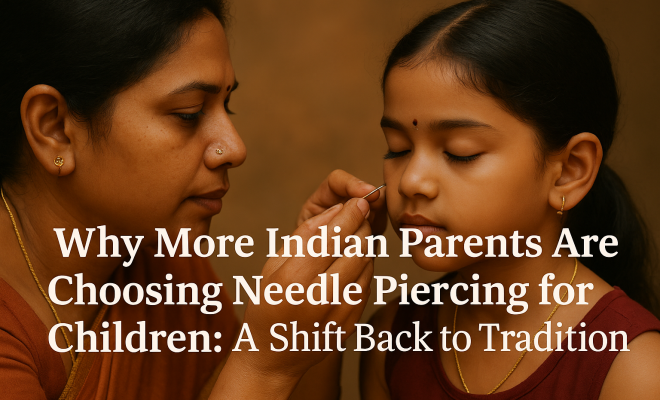
In recent years, an intriguing trend has emerged among Indian parents: a return to the age-old practice of needle piercing for children, particularly for ear piercings. As modern lifestyles evolve and safety concerns grow, parents are increasingly opting for this method over the more contemporary gun piercing technique. Relying on data from Google Trends, which indicates a remarkable 35% to 40% compound annual growth in searches for phrases like “safe baby ear piercing” and “needle vs gun piercing India,” it’s clear that this topic resonates deeply with many families. So, what’s driving this cultural and practical shift?
1. The Cultural Reawakening: Embracing Tradition
For many Indian families, ear piercing is more than just a cosmetic choice; it’s a rite of passage steeped in cultural significance. Traditionally, this practice is often performed in a religious or familial context, symbolizing a child’s entry into a new stage of life. As more parents seek to connect with their heritage, needle piercing for children is being recognized as a way to honor these long-standing customs.
This resurgence in tradition isn’t just nostalgic; it also taps into a broader desire for authenticity in parenting. In a world where global influences can overshadow local customs, many parents are opting for practices that reflect their roots. The re-emphasis on needle piercing aligns with a growing movement towards preserving cultural identity, making it a relatable choice for parents who value both tradition and safety.
2. Safety Concerns: The Case Against Gun Piercing
One of the primary reasons parents are gravitating towards needle piercing for children is the growing concern about safety. Gun piercing, while quick and widely available, has come under scrutiny for various reasons. Critics argue that the use of a gun can cause more trauma to the ear tissue, resulting in a higher risk of complications, including infections and improper healing. The piercing gun, which forces the earring through the earlobe, can be painful and often leads to greater swelling.
In contrast, needle piercing is often seen as a safer alternative. This technique allows for a more precise and controlled piercing, minimizing trauma to the surrounding tissue. Medical professionals advocate for needle piercing, especially in infants and young children, because it tends to be less painful and carries a lower risk of complications. As parents search for the best options for their children, the safety profile of needle piercing becomes an essential consideration.
3. Parental Anxiety: Seeking Reassurance
Today’s parents are navigating a landscape filled with information, and with it comes a heightened level of anxiety regarding their children’s health and well-being. As they explore options for ear piercing, many find themselves overwhelmed by conflicting opinions and recommendations. Needle piercing for children has emerged as a response to this parental anxiety, offering a seemingly safer and more traditional alternative.
Parents are not just looking for piercing services; they are searching for reassurance. They want to know that their choices are backed by solid evidence. As the conversation around needle piercing grows, many are also sharing their personal experiences online, contributing to discussions that help alleviate fears. Online forums, parenting blogs, and social media platforms allow parents to connect, share, and seek advice, creating a sense of community around this topic.
4. Expert Opinions: What the Professionals Say
As the trend towards needle piercing gains momentum, medical professionals are weighing in on the benefits of this practice. Pediatricians and dermatologists often recommend needle piercing over gun piercing due to its reduced risk of complications. Many health experts argue that needle piercing not only minimizes trauma but also allows for a more sterile process, which is crucial for children with developing immune systems.
Additionally, many practitioners emphasize the importance of using professional piercers who are trained in proper hygiene practices and techniques. This adds another layer of safety, as parents can feel confident that their child’s piercing is being handled by someone knowledgeable and skilled. The endorsement of healthcare professionals lends credibility to the needle piercing trend, making it an even more appealing choice for concerned parents.
5. Emotional Factors: The Personal Touch
Choosing to pierce a child’s ears is often an emotional decision for many parents. It can symbolize a transition, a bond, or a cherished memory. Needle piercing for children allows for a more intimate experience, as the procedure is often slower and more deliberate than gun piercing. This can help create a calmer environment for both the parent and child, alleviating stress and anxiety associated with the procedure. (See: Ear piercing practices and traditions.)
Moreover, parents often appreciate being actively involved in their child’s piercing experience. The slower pace of needle piercing allows for more interaction, enabling parents to comfort their children and explain what is happening at each step. This engagement not only fosters trust between the parent and child but can also create a positive association with the experience, allowing the child to feel supported and comforted during a potentially stressful moment.
6. Modern Conveniences: Access to Professional Services
As interest in needle piercing for children grows, more professional piercing studios are emerging, offering expert services and guidance to parents. In metropolitan areas across India, parents are increasingly finding specialized piercing studios that focus on safety and hygiene. These establishments often prioritize the child’s comfort and are equipped with appropriate sterilization equipment and procedures.
In many cases, these studios not only provide a safe environment but also educate parents on aftercare and the healing process. This access to professional services reinforces the appeal of needle piercing, making it a viable and attractive option for families. With the right resources available, parents feel empowered to make informed decisions about their child’s ear piercing.
7. Community Influence: Social and Peer Dynamics
The rise of social media has significantly influenced parenting choices, including the trend towards needle piercing for children. As parents share their experiences, photos, and recommendations online, they create a ripple effect among their peers. A single positive post about the needle piercing experience can inspire other parents to consider the same option for their children, reinforcing the trend.
Community support plays a vital role in shaping parental decisions. When parents see others confidently choosing needle piercing and sharing their successful experiences, it normalizes the practice and alleviates fears. This dynamic is particularly powerful when combined with an emphasis on safety and tradition, creating a strong community narrative that encourages more families to embrace needle piercing for their children.
8. Looking Ahead: The Future of Needle Piercing for Children
As we look to the future, it appears that the trend of needle piercing for children will continue to rise. With ongoing discussions about safety, cultural practices, and community support, parents are likely to seek out this option more frequently. Observing how this practice shifts and evolves will be fascinating, particularly as more health professionals weigh in on the debate between needle and gun piercing.
As parents become more informed and engaged with their choices, they will continue to advocate for practices that align with their family values and beliefs. The blend of tradition and modernity found in needle piercing for children not only respects cultural significance but also prioritizes safety and emotional well-being. This trend reflects a broader shift in parenting, where informed choices are made with care, love, and consideration for the child’s best interests.
9. Understanding the Aftercare: Essential Steps Post-Piercing
After completing the needle piercing procedure, it’s crucial for parents to understand the importance of aftercare to ensure proper healing and minimize the risk of infection. The first step is to keep the pierced area clean. Most professionals recommend cleaning the piercing with saline solution or a mild antiseptic spray at least twice daily. It’s essential to avoid touching the earrings with dirty hands.
Parents should also avoid using alcohol or hydrogen peroxide, as these can be too harsh and may irritate the sensitive skin around the piercing. Instead, a gentle touch and a careful approach will go a long way in ensuring a smooth recovery.
Another critical aspect of aftercare is monitoring for signs of infection, such as redness, swelling, or discharge. If any of these symptoms appear, seeking advice from a pediatrician or qualified professional is advised. Removing the earring without consulting a professional can sometimes exacerbate the issue, so caution is key.
Additionally, keeping hair away from the new piercing can help prevent irritation. Parents may consider using hair clips or tying hair back to ensure the area remains unobstructed. Lastly, it’s a good practice not to change the earrings until the piercing has fully healed, which can take anywhere from six weeks to several months, depending on the child’s individual healing process. (See: CDC guidelines on ear piercing safety.)
10. Potential Risks and How to Mitigate Them
While needle piercing is often viewed as the safer option, it’s not without its potential risks. Allergic reactions to earrings, particularly those made from nickel or other metals, can occur. Thus, choosing high-quality earrings made from hypoallergenic materials, such as surgical stainless steel or titanium, can significantly reduce the risk of adverse reactions.
Another risk to consider is the possibility of keloids, which are raised scars that can develop around the piercing site. These can be more common in individuals with a history of keloid formation. Parents should discuss this with their child’s pediatrician if there is a family history of keloids.
To mitigate these risks, selecting a professional piercing studio renowned for its expertise in pediatric care is essential. Parents should inquire about the experience of the piercer and their practices regarding hygiene and aftercare. A knowledgeable professional will be able to provide guidance on the best jewelry options and how to care for the piercing effectively.
11. Frequently Asked Questions
Is needle piercing painful for children?
While pain tolerance varies from child to child, many parents report that needle piercing is less painful than gun piercing. The process is quick, and many children may only experience a brief sting. Additionally, the emotional support from parents can help alleviate anxiety during the procedure.
When is the best age to pierce a child’s ears?
There’s no one-size-fits-all answer to this question. Many parents choose to pierce their child’s ears between the ages of 6 months and 2 years, but older children can also get their ears pierced. Ultimately, the best age depends on the child’s maturity and readiness for the experience.
How long does it take for a child’s ears to heal after needle piercing?
Typically, a child’s ears will take about 6 to 8 weeks to heal fully after needle piercing. During this time, proper care is crucial to prevent any infections or complications.
Can I change the earrings immediately after piercing?
It’s recommended to keep the initial earrings in for at least six weeks or until the piercing has fully healed. After this period, parents can switch to different earrings, preferably made of hypoallergenic materials.
What should I do if my child has an allergic reaction to the earrings?
If your child shows signs of an allergic reaction, such as redness, swelling, or itching, remove the earrings immediately and consult a pediatrician for further advice. They may recommend switching to hypoallergenic options or provide treatments to soothe the reaction.
What is the difference between needle and gun piercing?
The primary difference lies in the method of piercing. Needle piercing uses a hollow needle to create a clean hole in the ear, which reduces trauma and pain. Gun piercing, on the other hand, uses a mechanical device to push an earring through the earlobe. This can often lead to greater swelling and a higher risk of complications due to the blunt force applied.
Is there a specific type of jewelry that is best for new piercings?
Yes, for new piercings, it’s advised to use earrings made from surgical stainless steel, titanium, or 14k gold. These materials are less likely to cause allergic reactions and provide a safer option for healing. Avoid earrings made from base metals or those that contain nickel, as they can lead to irritation. (See: New York Times on children's ear piercing trends.)
How can I prepare my child for the piercing experience?
Preparation can greatly ease anxiety. Talk to your child about what to expect during the procedure. You can explain that it will be quick and that they will receive a cool earring afterward. Consider reading books or watching videos about ear piercing to help them visualize the experience. Reassuring them with your presence and support is also vital, as it can make the process more comfortable.
By addressing these concerns and empowering parents with knowledge, the trend of needle piercing for children is likely to continue flourishing within communities, reinforcing traditions while prioritizing safety and well-being. With greater awareness and education surrounding this practice, families can navigate the world of ear piercing with more confidence, ensuring that their children’s first experiences are positive and memorable.
12. The Role of Pediatricians in Advising Parents
Pediatricians play a crucial role in guiding parents through the piercing decision, offering insights based on a child’s health and development. Many pediatricians encourage parents to wait until the child is old enough to participate in the decision, allowing for a more informed choice. They can also provide essential advice on when to pierce based on ear development and overall health. In some cases, pediatricians may recommend specific piercing studios known for their expertise, which can help parents feel more secure in their choice.
13. Financial Considerations: Cost of Needle Piercing
As with any service, cost is often a consideration for parents. The price of needle piercing can vary depending on the location, the expertise of the piercer, and the quality of the jewelry used. Generally, professional needle piercing can range from ₹1,000 to ₹3,000 in India. However, parents should consider this as an investment in their child’s safety and well-being. When choosing a piercing service, it’s wise to prioritize quality over cost, ensuring that the environment is hygienic and that the piercer is experienced.
14. Global Perspectives on Ear Piercing
While needle piercing for children is becoming increasingly popular in India, it’s interesting to note how different cultures approach ear piercing. In many Western countries, ear piercing is often done as a rite of passage for young girls, typically in a more casual environment. In contrast, cultures around the world have unique customs—such as the ritualistic piercings in various indigenous communities. Understanding these global perspectives not only enriches our appreciation of the practice but also emphasizes the importance of cultural sensitivity and respect. Each culture has its reasons for why and how they pierce ears, ranging from fashion statements to deep-rooted traditions.
15. Community Resources and Support Groups
As parents navigate the decision of needle piercing for their children, community resources can prove invaluable. Joining local parenting groups or online forums can provide a wealth of shared experiences, advice, and recommendations for reputable piercing studios. Many communities also offer workshops or seminars on children’s health and safety, where expert speakers might discuss topics such as needle piercing, hygiene, and aftercare. Engaging with these resources can help parents feel more supported and informed in their decision-making process.
In summary, the increasing trend of needle piercing for children not only highlights a return to cultural practices but also emphasizes safety and emotional connections. With well-informed parents, professional guidance, and community support, families can confidently embark on this journey, ensuring that their children’s first experiences with body modification are safe, meaningful, and respectful of tradition.
“`
Trending Now
Frequently Asked Questions
Why are Indian parents choosing needle piercing for their children?
Indian parents are increasingly opting for needle piercing due to a cultural reawakening and safety concerns. Needle piercing is viewed as a traditional practice that connects families to their heritage while addressing the risks associated with gun piercing, such as potential trauma and infections.
What are the safety concerns related to gun piercing?
Safety concerns regarding gun piercing include the potential for increased trauma to the ear tissue, which can lead to complications like infections and improper healing. Many parents prefer needle piercing as it is believed to be a safer alternative with less risk.
Is needle piercing more traditional than gun piercing in India?
Yes, needle piercing is considered more traditional in India. It is often performed in a cultural or familial context, marking a child's rite of passage, while gun piercing is a more modern method that lacks the same cultural significance.
How has the trend for baby ear piercing changed in India?
The trend for baby ear piercing in India has shifted towards needle piercing, with a 35% to 40% annual growth in searches related to safe methods. This reflects parents' desire to embrace traditional practices while ensuring their children's safety.
What are the benefits of using needle piercing for children?
Benefits of needle piercing for children include reduced trauma to the ear, lower risk of infection, and the preservation of cultural traditions. Many parents find it a more authentic and meaningful choice for their children's ear piercings.
What’s your take on this? Share your thoughts in the comments below — we read every one.