The Tech Edvocate

Top Menu

  • Advertisement
  • Apps
  • Home Page
  • Home Page Five (No Sidebar)
  • Home Page Four
  • Home Page Three
  • Home Page Two
  • Home Tech2
  • Icons [No Sidebar]
  • Left Sidbear Page
  • Lynch Educational Consulting
  • My Account
  • My Speaking Page
  • Newsletter Sign Up Confirmation
  • Newsletter Unsubscription
  • Our Brands
  • Page Example
  • Privacy Policy
  • Protected Content
  • Register
  • Request a Product Review
  • Shop
  • Shortcodes Examples
  • Signup
  • Start Here
    • Governance
    • Careers
    • Contact Us
  • Terms and Conditions
  • The Edvocate
  • The Tech Edvocate Product Guide
  • Topics
  • Write For Us
  • Advertise

Main Menu

  • Start Here
    • Our Brands
    • Governance
      • Lynch Educational Consulting, LLC.
      • Dr. Lynch’s Personal Website
      • Careers
    • Write For Us
    • The Tech Edvocate Product Guide
    • Contact Us
    • Books
    • Edupedia
    • Post a Job
    • The Edvocate Podcast
    • Terms and Conditions
    • Privacy Policy
  • Topics
    • Assistive Technology
    • Child Development Tech
    • Early Childhood & K-12 EdTech
    • EdTech Futures
    • EdTech News
    • EdTech Policy & Reform
    • EdTech Startups & Businesses
    • Higher Education EdTech
    • Online Learning & eLearning
    • Parent & Family Tech
    • Personalized Learning
    • Product Reviews
  • Advertise
  • Tech Edvocate Awards
  • The Edvocate
  • Pedagogue
  • School Ratings

logo

The Tech Edvocate

  • Start Here
    • Our Brands
    • Governance
      • Lynch Educational Consulting, LLC.
      • Dr. Lynch’s Personal Website
        • My Speaking Page
      • Careers
    • Write For Us
    • The Tech Edvocate Product Guide
    • Contact Us
    • Books
    • Edupedia
    • Post a Job
    • The Edvocate Podcast
    • Terms and Conditions
    • Privacy Policy
  • Topics
    • Assistive Technology
    • Child Development Tech
    • Early Childhood & K-12 EdTech
    • EdTech Futures
    • EdTech News
    • EdTech Policy & Reform
    • EdTech Startups & Businesses
    • Higher Education EdTech
    • Online Learning & eLearning
    • Parent & Family Tech
    • Personalized Learning
    • Product Reviews
  • Advertise
  • Tech Edvocate Awards
  • The Edvocate
  • Pedagogue
  • School Ratings
  • The Brutal Truth: 8 Lies Scammers Tell About Your Student Loans

  • New Student Loan Rules: The Shocking Truth About 2026 Relief Programs

  • New Repayment Plan Changes Trigger Student Loan Scam Epidemic

  • Why Millions Are Ditching Degrees for This One Skill-Boosting Secret

  • The Quiet Revolution: How Micro-Credentials Are Reshaping Tech Careers

  • Why 96% of Employers Are Now Demanding Micro-Credentials

  • This One Incident Exposed How Vulnerable Your Student Data Really Is

  • The Brutal Truth About EdTech Security: 10 Solutions to Prevent Another Canvas LMS Disaster

  • The Billion-User Data Heist: Why Your Child’s School Data Is Under Attack

  • This Crucial Mistake Is Killing Your Tech Career (It’s Not What You Think)

Augmented Reality, Mixed Reality, and Virtual Reality
Home›Augmented Reality, Mixed Reality, and Virtual Reality›Virtual Reality Matures in the K-12 Classroom

Virtual Reality Matures in the K-12 Classroom
By Matthew Lynch
January 5, 2021
0
Spread the love

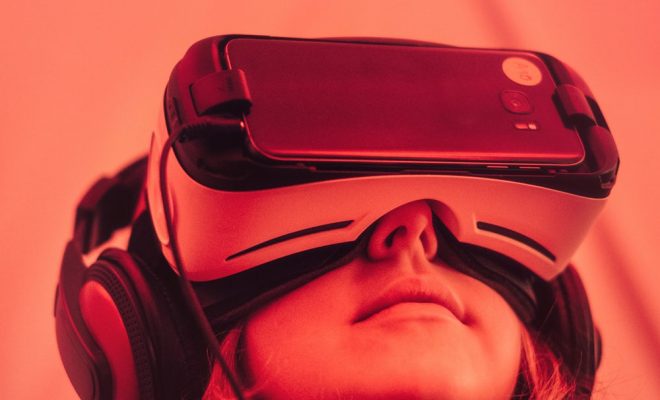
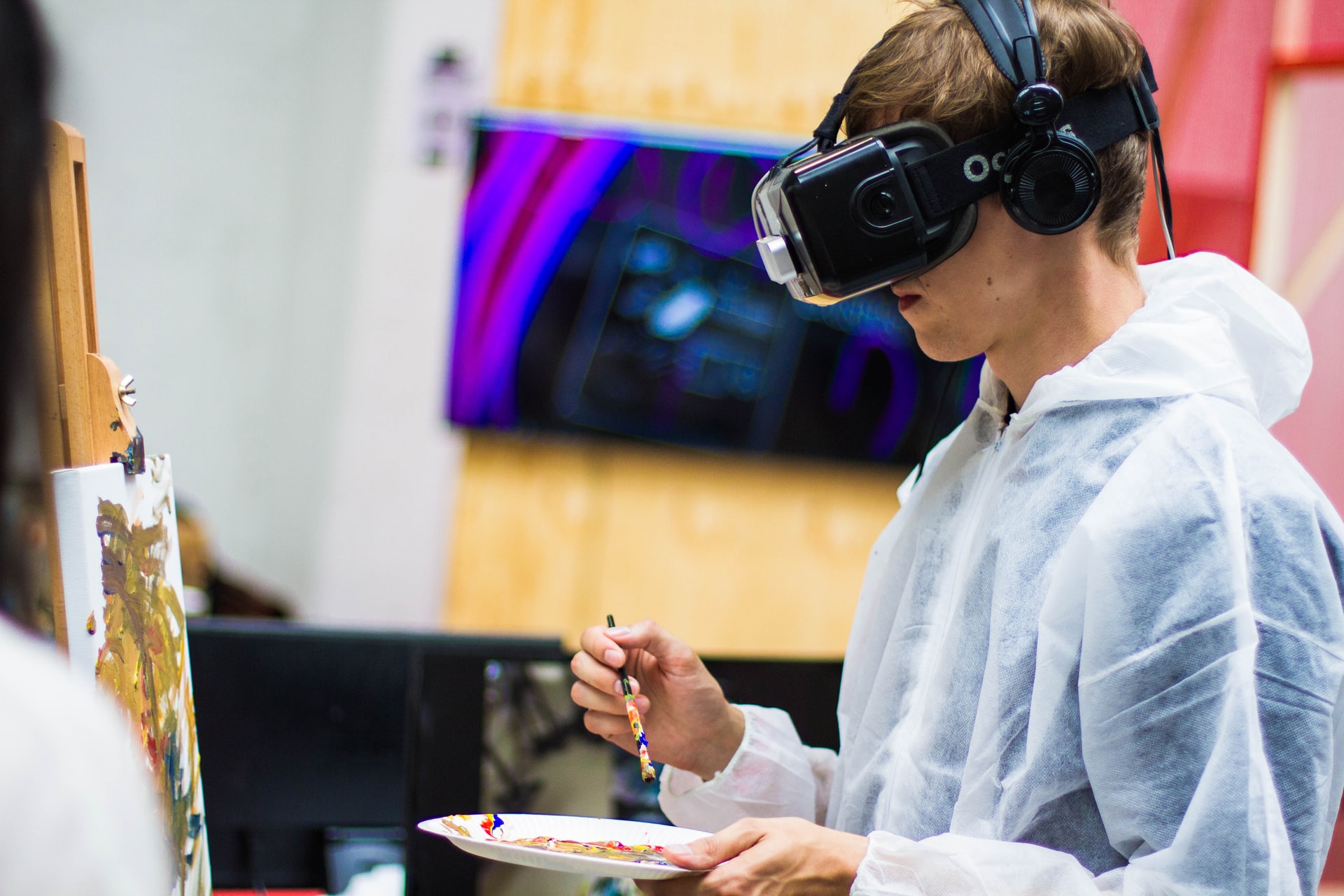
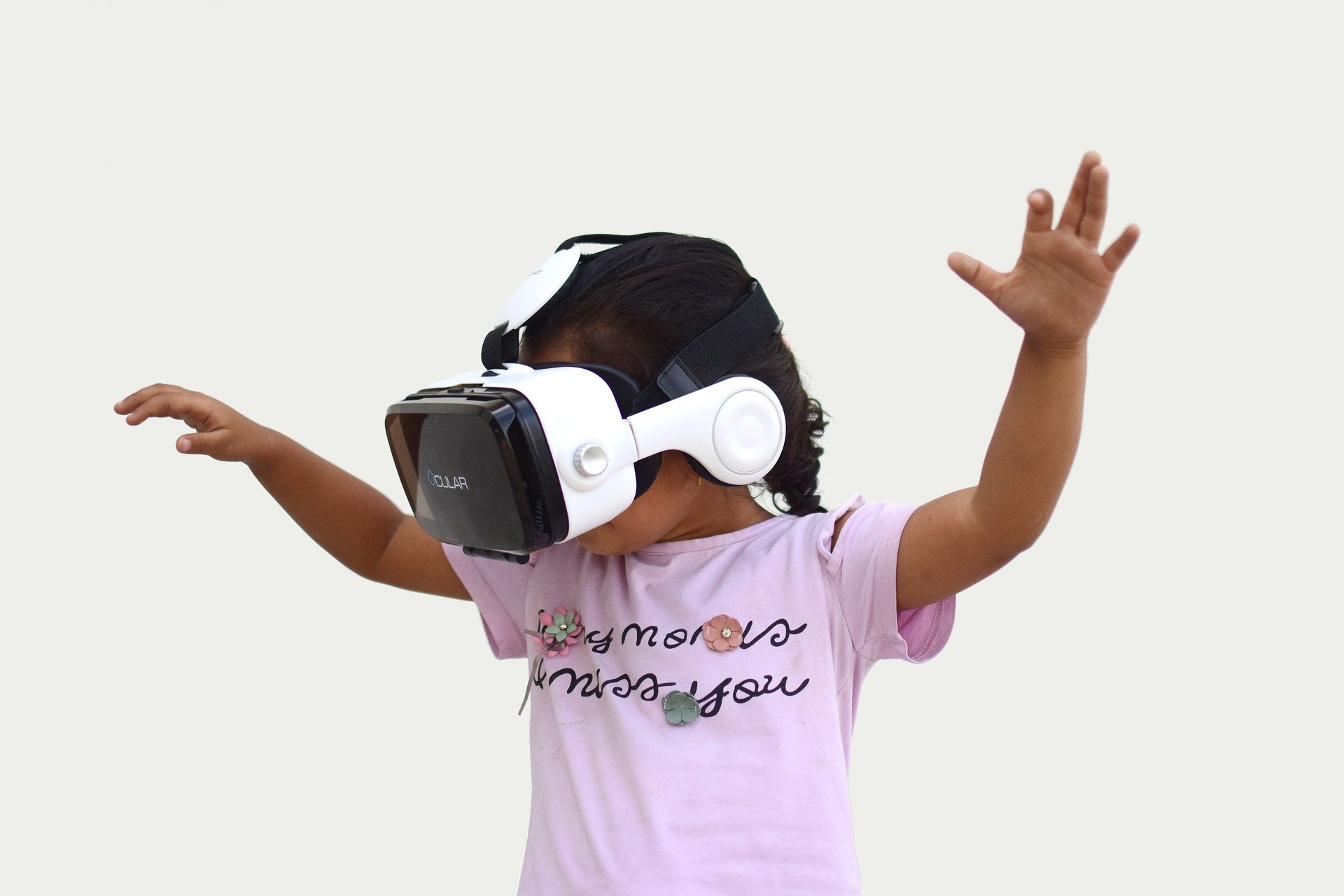
Are you a teacher who sees the words “virtual reality” and automatically thinks of robots and science fiction sagas? Well, virtual reality (VR) has increasingly become more accessible and common in the classroom. VR provides many benefits for students by enriching their learning. 

Benefits Of Virtual Reality in the Classroom

There are many reasons why virtual reality is an important part of the 21st-century classroom. Virtual reality can be beneficial to all students because it develops a sense of empathy; for example, experiencing a historical site gives the students a better understanding of what life was like during certain events such as the Holocaust.

 Additionally, virtual reality creates accessible learning activities for students of all socio-economic backgrounds. Virtual reality removes the cost of physically traveling to a specific spot that some students cannot afford. 

VR can also help with language barriers. Virtual reality software has different language settings so that students who are not native English speakers can fully understand and benefit from these activities. This allows students to focus on what they are learning rather than trying to understand the language. 

Virtual reality can also help with gamifying learning, especially in an eLearning setting where students cannot interact with each other and play games in-person. VR in eLearning can also provide students with virtual field trips that allow them to experience a new learning setting without leaving their home. 

How to Implement Virtual Reality in Your Classroom

There are many ways that virtual reality can be used in the classroom. Online you can find many virtual reality apps and activities for a wide range of subjects. So regardless of what subject you teach, you can find virtual reality to help; among other things, you can explore the human body, visit geographical locations, and visit art museums. Virtual reality is beneficial to every subject area.

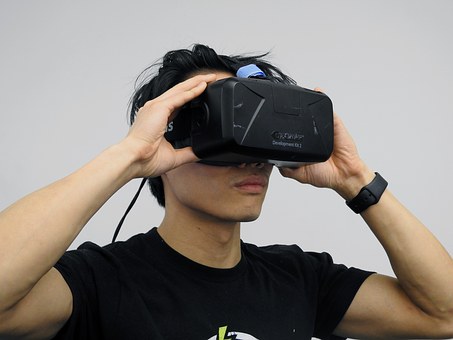
You might be sold on the benefits of virtual reality but might still have questions about how to implement it in your own classroom. Schools across the country have begun investing in virtual reality kits. These kits come in a set and can be passed from classroom to classroom. These kits include headsets that allow the students to become fully immersed in the virtual reality experience.

If your school does not have virtual reality kits, there are cheap and easy alternatives that you can use. Schools that cannot afford virtual reality headsets have taken to creating their own. You can make VR headsets out of cardboard; these headsets allow the students to place their smartphones in the cardboard enclosure and hold them to their eyes as if they are wearing a specially made VR headset. This cuts costs for schools but also allows students a more interactive experience. 

Successful Implementation of Virtual Reality in the Classroom

Danvers Public Schools in Massachusetts are a perfect example of schools using virtual reality in new ways. They have been using VR to help their prospective students and students with disabilities by creating a virtual reality tour of their school buildings so that students can transition to their new environment easier. This school also helps students with disabilities to develop their life-skills. For example, they created a virtual reality walk around a downtown area; this helped the students get comfortable and practice this life skill before doing it in real life.

Conclusion

Virtual reality is ever-changing and improving the way that students learn. From programs that can be used on regular computers and smartphones, such as Google Expedition, to specialized equipment, teachers can implement virtual reality in their classrooms for improved learning experiences.

Previous Article

What Are We Learning From the World’s ...

Next Article

How Innovation is Helping Educators Teach From ...

Matthew Lynch

Related articles More from author

  • Augmented Reality, Mixed Reality, and Virtual RealityFeaturedFresh

    An Insider’s View into the Edtech Market for Virtual or Augmented Reality

    November 13, 2018
    By Matthew Lynch
  • Augmented Reality, Mixed Reality, and Virtual Reality

    Augmented Reality In Education

    March 25, 2023
    By Matthew Lynch
  • Augmented Reality, Mixed Reality, and Virtual Reality

    What Will We See From Augmented Reality in the Future?

    November 23, 2020
    By Matthew Lynch
  • Augmented Reality, Mixed Reality, and Virtual Reality

    How To Use Virtual Reality In Nursing

    January 17, 2022
    By Matthew Lynch
  • Augmented Reality, Mixed Reality, and Virtual Reality

    What Teachers Need to Know About Augmented Reality

    November 20, 2020
    By Matthew Lynch
  • Augmented Reality, Mixed Reality, and Virtual Reality

    How VR Enhances Online Learning And Improves Skills More Effectively

    March 24, 2023
    By Matthew Lynch

Search

Login & Registration

  • Log in
  • Entries feed
  • Comments feed
  • WordPress.org

Newsletter

Signup for The Tech Edvocate Newsletter and have the latest in EdTech news and opinion delivered to your email address!

About Us

Since technology is not going anywhere and does more good than harm, adapting is the best course of action. That is where The Tech Edvocate comes in. We plan to cover the PreK-12 and Higher Education EdTech sectors and provide our readers with the latest news and opinion on the subject. From time to time, I will invite other voices to weigh in on important issues in EdTech. We hope to provide a well-rounded, multi-faceted look at the past, present, the future of EdTech in the US and internationally.

We started this journey back in June 2016, and we plan to continue it for many more years to come. I hope that you will join us in this discussion of the past, present and future of EdTech and lend your own insight to the issues that are discussed.

Newsletter

Signup for The Tech Edvocate Newsletter and have the latest in EdTech news and opinion delivered to your email address!

Contact Us

The Tech Edvocate
910 Goddin Street
Richmond, VA 23231
(601) 630-5238
[email protected]

Copyright © 2026 Matthew Lynch. All rights reserved.