Why Functional Snacking Trends Are Taking Over Your Grocery Aisles
“`html
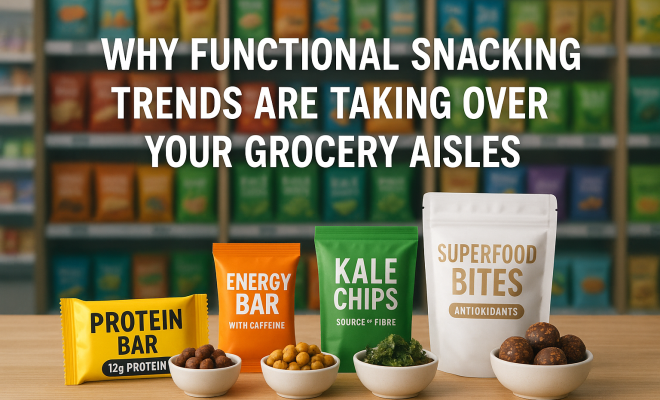
The snack aisle has undergone a transformation in recent years, but it’s the functional snacking trends that are making the most significant impact. According to a report from June 2026, protein continues to reign supreme among snack ingredients, boasting a remarkable 17% year-over-year growth. This surge in popularity indicates that consumers are not just snacking for pleasure anymore; they’re on the hunt for snacks that offer health benefits, satiety, and even performance enhancements. As we explore the nuances of this trend, we’ll discover how these evolving consumer demands are reshaping the snacks we love.
What Are Functional Snacks?
Functional snacks are categorized as foods that provide benefits beyond basic nutrition. They often include ingredients that promote health or improve performance, such as protein, fiber, vitamins, and minerals. The term “functional” suggests that these snacks can serve a purpose, whether that’s boosting energy, supporting muscle recovery, or offering a healthier, guilt-free indulgence.
These snacks are gaining traction not only because they meet the growing demand for healthier options but also due to their versatility. As consumers become more health-conscious, the need for snacks that align with their lifestyles—whether they’re looking for weight management support or enhancing their athletic performance—has never been greater. It’s this evolution in consumer mindset that fuels the current functional snacking trends.
The Protein Phenomenon
At the core of today’s functional snacking trends lies protein, a powerhouse nutrient that has captured the attention of health enthusiasts and casual snackers alike. The June 2026 report highlights an impressive 17% increase in protein-based snacks, a clear indicator that consumers are prioritizing protein-rich options in their diets.
Whether it’s protein bars, shakes, or even savory snacks, protein has become synonymous with health and wellness. The rise of protein-enriched snacks is also linked to a shift in the way consumers perceive snacking. No longer seen as a guilty pleasure, snacks are now viewed as opportunities to fuel the body with essential nutrients while satisfying cravings.
Exploring Novelty Formats
The functional snacking landscape is no longer limited to traditional protein bars. Innovative formats like protein cookie dough and even savory protein chips are emerging, reflecting a broader consumer desire for variety and novelty. These new products are not just interesting; they also lend themselves well to social sharing, which fuels their popularity on platforms like Instagram and TikTok.
The appeal of unique snack formats contributes to their shareability. For example, a brightly colored protein cookie dough might catch a viewer’s eye as they scroll through their feed, prompting them to learn more or even try making it themselves. This kind of engagement is vital for brands looking to expand their reach in a crowded market.
The Emotional Connection to Snacking
Snacking is as much an emotional experience as it is a physical one. The desire for indulgence often clashes with health-conscious choices, creating a tension that resonates deeply with consumers. Functional snacks provide a solution to this dilemma, allowing individuals to enjoy treats that feel indulgent while offering health benefits.
This emotional connection is significant in driving demand for functional snacks. Consumers often seek comfort in their food, and when they can find snacks that satisfy emotional cravings without compromising their health goals, they’re more likely to repurchase or share their experiences. This interplay between indulgence and health underscores the rapid growth of functional snacking trends.
Social Media’s Role in Snacking Trends
In today’s digital age, social media plays a crucial role in shaping consumer behavior. Platforms like Instagram and TikTok not only provide a space for sharing recipes and reviews but also significantly influence purchasing decisions. The visual nature of these platforms makes them ideal for showcasing the vibrant, eye-catching products emerging in the functional snack space.
For instance, colorful protein balls or visually appealing protein-rich desserts often go viral, leading to increased demand. Brands that effectively utilize social media to engage consumers often find themselves at the forefront of the conversation surrounding functional snacking trends. (See: Functional foods and health benefits.)
Health and Wellness: A Driving Force
The ongoing focus on health and wellness continues to drive the growth of functional snacking. As more people prioritize their health, they’re seeking snacks that support their fitness goals and overall well-being. The rise of the wellness movement means consumers are more informed about nutrition than ever before, leading them to scrutinize labels and seek products that align with their values.
Brands that cater to this demand not only benefit from increased sales but also establish a reputation as leaders in the health-conscious market. This focus on wellness creates a ripple effect, prompting manufacturers to innovate continuously and produce snacks that resonate with consumers.
Market Opportunities for Brands
With the demand for functional snacks on the rise, there are significant market opportunities for brands looking to enter this space. The key to success lies in understanding consumer preferences and developing products that meet their needs. This includes not only focusing on protein but also considering other functional ingredients such as probiotics, superfoods, and plant-based options.
Brands should also think about sustainability and transparency in their supply chains. Today’s consumers are more eco-conscious than ever, and they want to support brands that align with their values. This means sourcing ingredients responsibly and providing clear information about nutritional content.
Challenges in the Functional Snacking Space
While the growth potential is massive, navigating the functional snacking market does come with challenges. Consumer preferences can be fickle, and what’s trending today may not be in demand tomorrow. Brands must stay agile and responsive to shifts in consumer interests to maintain relevance.
Additionally, regulatory challenges can arise, particularly when it comes to health claims on packaging. Companies must ensure they comply with relevant guidelines to avoid misleading consumers, which can harm their reputation and lead to legal issues.
The Future of Functional Snacking
Looking ahead, the future of functional snacking appears bright. As consumers continue to prioritize health and wellness, the demand for snacks that provide genuine benefits will likely grow. Brands that can innovate and adapt to these changing needs will be well-positioned for success.
Moreover, as consumer education improves and more individuals understand the importance of nutrition, the market for functional snacks will likely expand even further. Expect to see more creative formats and flavors hitting the shelves, all aimed at satisfying the health-conscious snackers of tomorrow.
Expanded Functional Ingredients: Beyond Protein
While protein has taken center stage, the market is also witnessing a surge in other functional ingredients. For example, snacks enriched with probiotics are gaining traction, appealing to those seeking digestive health benefits. Probiotics, often referred to as “good bacteria,” can support gut health, which is increasingly recognized for its role in overall wellness. Brands are crafting yogurt-based snacks, bars infused with prebiotics, and even fermented snack options that cater to this need.
Additionally, the rise of superfoods such as chia seeds, matcha, and spirulina is influencing the snacking landscape. These nutrient-dense foods are being incorporated into a variety of snacks, from granola bars to energy bites, enhancing both their health benefits and flavor profiles. With growing awareness around the benefits of these ingredients, consumers are more inclined to choose snacks that provide more than just empty calories.
The Role of Transparency and Ingredient Sourcing
Today’s consumers are increasingly demanding transparency from brands. They want to know where their food comes from, how it’s made, and what’s in it. This demand is shaping the functional snacking trends, with brands investing in clear labeling and responsible sourcing practices. Companies that can transparently communicate their ingredient sourcing—whether they’re using organic, non-GMO, or sustainably sourced components—tend to build stronger connections with consumers.
For instance, brands highlighting their use of fair-trade cocoa or local ingredients can appeal to ethically-minded consumers. This trend towards transparency not only helps in gaining consumer trust but also encourages brands to maintain high standards in their product development.
Consumer Education and Awareness
As the functional snacking market grows, consumer education becomes paramount. People are more interested in understanding the benefits of certain ingredients and how they contribute to their health goals. Brands that take the initiative to educate their consumers through informative packaging, engaging social media content, and even interactive blog posts will likely stand out. (See: CDC on nutrition and health.)
Educational initiatives can include tips on how to incorporate functional snacks into daily routines, recipes that highlight the versatility of the products, or even webinars featuring nutritionists discussing the importance of certain nutrients. This approach not only empowers consumers but also positions brands as thought leaders in the health and wellness space.
Statistics Reflecting the Shift in Snacking Habits
To fully appreciate the rapid evolution of functional snacking, it’s essential to consider some key statistics. According to a recent market research report, the functional snack market is projected to reach $100 billion by 2027, fueled by the growing consumer shift towards healthier eating habits. The same report notes that 68% of consumers are actively seeking snacks that contribute to their well-being.
Moreover, 54% of snackers report that they prefer to purchase snacks that offer specific health benefits, such as high protein content or added vitamins. This data underscores the importance of brands not only innovating their products but also clearly communicating their health benefits to a discerning consumer base.
Exploring International Trends in Functional Snacking
The functional snacking trend isn’t confined to just one region. Globally, consumers are increasingly prioritizing health-conscious choices, leading to unique offerings in various markets. For instance, in Japan, consumers gravitate towards snacks infused with fermented ingredients, recognizing their potential to improve gut health. Meanwhile, in South America, there’s a flourishing interest in quinoa-based snacks, which are not only high in protein but also gluten-free.
By examining these international trends, brands can identify potential growth opportunities and adapt their product lines to cater to diverse consumer preferences. Experimenting with flavors and ingredients from around the world can yield exciting new products that resonate with health-conscious snackers everywhere.
FAQs about Functional Snacking Trends
What exactly are functional snacks?
Functional snacks are foods that provide benefits beyond basic nutrition. They often contain ingredients that promote health, such as protein, fiber, vitamins, and minerals, and can help support various health goals.
How do I know if a snack is functional?
Look for snacks that list specific health benefits on their packaging, such as “high in protein,” “contains probiotics,” or “rich in fiber.” Ingredients should be recognizable, and the product should be aligned with your health goals.
Are functional snacks suitable for everyone?
While functional snacks can benefit many people, it’s important to consider individual dietary needs and restrictions. Always check ingredient lists for allergens or ingredients you may want to avoid.
Can functional snacks replace meals?
Functional snacks are designed to complement your diet rather than replace meals. They can provide an energy boost or additional nutrients between meals but shouldn’t be relied upon as a primary source of nutrition.
What are some popular functional snack brands?
Many brands are making waves in the functional snacking market, including RXBAR, Quest Nutrition, and KIND. Each offers a range of products that cater to health-conscious consumers, often highlighting specific functional benefits. (See: Trends in functional snacks research.)
Where can I find functional snacks?
Functional snacks are widely available in grocery stores, health food stores, and online retailers. Many companies also have their own websites where you can purchase directly.
Consumer Preferences and Trends: The Drive Behind Functional Snacking
Understanding consumer preferences is paramount in the realm of functional snacking. Recent surveys show that 75% of snackers are influenced by product claims regarding health benefits. This means that brands must not only market their products effectively but also ensure that their claims are backed by scientific research. For example, the popularity of snacks containing adaptogens, herbs believed to help the body adapt to stress, is skyrocketing, driven by consumers’ increasing awareness of mental health.
Another interesting trend is the shift toward plant-based snacks. With a growing number of people opting for vegan or vegetarian diets, snacks that are not only functional but also plant-based are gaining popularity. A recent report indicated that the plant-based snack market is expected to grow by 25% over the next five years. This trend reflects consumers’ desire for snacks that align with their ethical beliefs while also providing health benefits.
The Intersection of Flavor and Functionality
A significant aspect of the success of functional snacks is the flavor experience. Consumers are no longer willing to compromise taste for health. Brands that can create snacks that are both delicious and functional are the ones gaining traction. For instance, chocolate-flavored protein bars or spicy chickpea snacks are examples where flavor meets function. This intersection is pivotal in attracting not just health-focused consumers but also casual snackers who prioritize taste.
Additionally, flavor innovation is becoming a strategy for differentiation in a crowded market. Limited-edition flavors or seasonal offerings can create buzz and drive sales. Brands that engage in taste testing events or collaborate with chefs to develop unique flavors often see a positive response from consumers, further solidifying their position in the market.
Challenges Brands Face in Developing Functional Snacks
Despite the opportunities in the functional snacking space, brands face challenges in product development. One major challenge is the formulation of snacks that maintain their functional benefits while also being shelf-stable. For example, incorporating fresh ingredients like fruits or vegetables can enhance the nutritional profile but may impact shelf life. Finding a balance between freshness and functionality is a hurdle that many brands must navigate.
Moreover, with the rise of functional snacks, the market is becoming increasingly saturated. New entrants are constantly emerging, making brand loyalty harder to achieve. Companies need to invest in branding and storytelling to connect with consumers on a personal level. This could involve sharing the story behind the brand’s inception or the benefits of its unique ingredients to create a loyal customer base.
Conclusion: Embracing the Shift
The evolution of snacking is indicative of broader changes in consumer behavior and priorities. As we embrace the growing functional snacking trends, it’s clear that people are no longer willing to settle for snacks that don’t offer value. They’re seeking products that enhance their lifestyles, boost their health, and satisfy their cravings. For brands, this represents not just a challenge but an exciting opportunity to connect with consumers on a deeper level.
“`
Trending Now
Frequently Asked Questions
What are functional snacks?
Functional snacks are foods that offer benefits beyond basic nutrition, often containing ingredients like protein, fiber, vitamins, and minerals. They serve specific purposes such as boosting energy, supporting muscle recovery, or providing healthier indulgences, catering to the growing demand for snacks that align with health-conscious lifestyles.
Why are functional snacks trending?
Functional snacks are trending due to a shift in consumer preferences towards healthier options that provide added benefits. As people become more health-conscious, they seek snacks that support weight management, enhance athletic performance, and offer nutritional advantages, leading to increased demand for these products in grocery aisles.
What is driving the protein snack trend?
The protein snack trend is driven by consumers prioritizing protein-rich options for their health benefits. A report from June 2026 shows a 17% year-over-year growth in protein-based snacks, indicating that both health enthusiasts and casual snackers are incorporating these nutrient-dense foods into their diets for better wellness.
How have grocery aisles changed with functional snacking?
Grocery aisles have transformed with the rise of functional snacking, as more health-oriented products are introduced. This shift reflects consumer demand for snacks that not only satisfy cravings but also provide nutritional benefits, leading to a diverse range of options that cater to various health and lifestyle needs.
What are the benefits of protein-rich snacks?
Protein-rich snacks offer numerous benefits, including improved satiety, muscle recovery, and enhanced overall health. They are particularly appealing to those looking to manage their weight or boost their performance, making them a popular choice among health-conscious consumers seeking nutritious snack alternatives.
Agree or disagree? Drop a comment and tell us what you think.