Western US Heat Wave: A 500-Year Climate Change Event
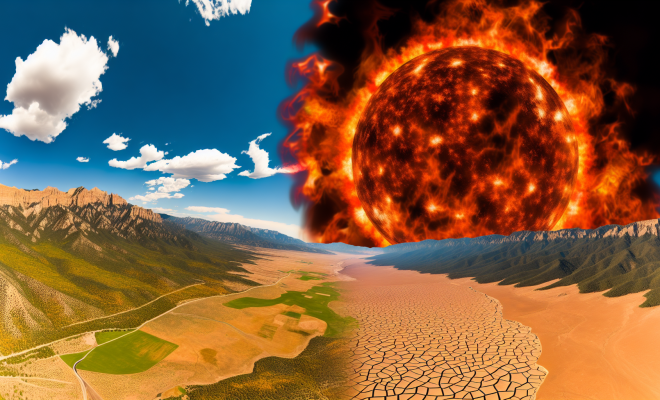
The western United States is currently grappling with a record-breaking heat wave that scientists are calling a once-in-500-years occurrence, attributing its severity to human-induced climate change. This early-season heat has led to alarming temperature spikes across several states, leaving communities and ecosystems in a precarious position.
Unprecedented Temperature Records
On a particularly scorching Friday, four desert locations near the California-Arizona border reached a staggering 44.4 degrees Celsius (111.9 degrees Fahrenheit), setting a new national record for March. This extreme temperature is not an isolated incident; it’s part of a broader trend that saw 65 cities across Arizona, California, Idaho, and other western states break their March temperature records.
These extraordinary heat levels have raised serious concerns among climate experts. The phenomenon is described as being ‘all but certainly’ linked to climate change fueled by human activities, particularly the burning of fossil fuels. As temperatures soar, the implications extend far beyond mere discomfort; they signal significant ecological disruptions.
Ecological Disruption and Early Blooms
The early heat wave is causing a cascade of ecological consequences. Many plants and trees are blooming prematurely, a phenomenon that can upset local ecosystems and affect wildlife. This atypical behavior is exacerbated by heavy winter rains that have contributed to rapid vegetation growth, creating a mismatch between plant life cycles and the environments in which they exist.
For instance, areas like Death Valley, which are accustomed to extreme temperatures, are now experiencing highs beyond 40 degrees Celsius (104 degrees Fahrenheit). Meanwhile, cities like San Francisco, which typically enjoy a milder climate, are tying historic March records with temperatures reaching 29 degrees Celsius (84.2 degrees Fahrenheit).
Climate Change: The Driving Force
Scientists have increasingly pointed to climate change as a primary driver of these extreme weather events. According to research, today’s heat waves are clear indicators of global warming, which is significantly influenced by human activities. The combustion of fossil fuels for energy, transportation, and industrial processes releases greenhouse gases that trap heat in the atmosphere, leading to rising global temperatures.
Dr. Sarah Thompson, a climate scientist at the National Oceanic and Atmospheric Administration (NOAA), explained, “The intensity and frequency of heat waves have been increasing over the past few decades, and our reliance on fossil fuels is a significant contributing factor. This event is a clear example of how climate change is manifesting in real-time and affecting our daily lives.”
Community Responses and Adaptation
As temperatures continue to rise, communities are taking action to adapt to the changing climate. Local governments are implementing measures to protect vulnerable populations, especially the elderly and those with pre-existing health conditions. Cooling centers are being opened in cities to provide relief from the heat, while public health campaigns are educating residents on the dangers of heat-related illnesses.
Additionally, conservationists are urging lawmakers to prioritize sustainable practices that can mitigate the impacts of climate change. Initiatives aimed at reducing carbon emissions, enhancing energy efficiency, and expanding green spaces are being discussed as critical steps forward.
Looking Ahead: The Future of Weather Patterns
Experts warn that without significant changes in our approach to carbon emissions and climate policy, extreme weather patterns like this heat wave will become more common. The western United States, along with many other regions, may see an increase in the frequency and intensity of heat events, posing risks not only to human health but also to agriculture and natural ecosystems.
According to the latest reports from the Intergovernmental Panel on Climate Change (IPCC), the impacts of climate change are already being felt globally, with projections indicating that extreme weather events will intensify in the coming years. As the planet warms, regions that have historically been temperate could face conditions more akin to those traditionally seen in deserts.
Conclusion: A Call to Action
The current heat wave gripping the western United States serves as a stark reminder of the urgent need for collective action against climate change. It highlights the importance of transitioning to renewable energy sources, adopting sustainable agricultural practices, and enhancing urban planning to accommodate changing climate realities.
As communities endure the challenges posed by this unprecedented weather event, it is crucial for individuals, organizations, and governments to work together to build resilience against future climate impacts. The time to act is now, and the health of our planet—and future generations—depends on the choices we make today.