AI & Regulatory Shifts: Navigating New York’s Legal Future
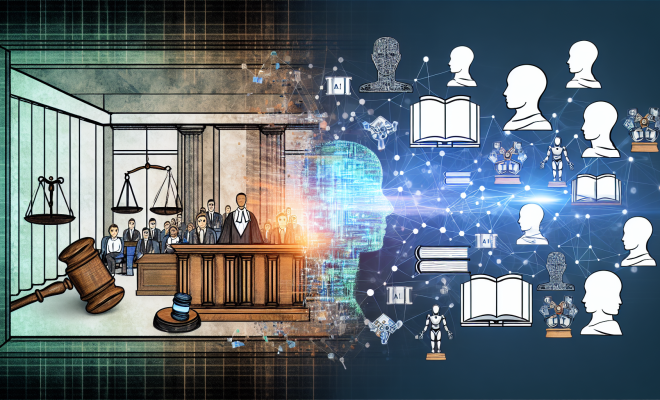
The New York State Bar Association (NYSBA) is at the forefront of a pivotal transformation in the legal profession, driven by advances in artificial intelligence (AI) and evolving regulatory frameworks. As these changes accelerate, they present both challenges and opportunities for newly minted lawyers. The urgency for law students and young attorneys to grasp compliance risks and ethical responsibilities has never been greater.
The Rise of AI in Legal Practice
AI tools have made their way into various sectors, and the legal field is no exception. From document review and contract analysis to predictive analytics, AI holds the potential to streamline many aspects of legal work. However, with great power comes great responsibility. The New York State Bar Association has raised alarms regarding AI-generated legal advice, urging lawyers to scrutinize the information provided by these algorithms.
The Risks of Overreliance on AI
One of the primary concerns is the risk of malpractice when legal professionals become overly dependent on unvetted AI tools. Without human oversight, there is a significant chance that a lawyer could deliver erroneous legal advice based on flawed data or algorithms. Such missteps can lead to severe consequences, including disbarment and liability. Therefore, understanding these risks is not just a matter of professional development; it’s essential for career survival.
Compliance and Ethical Obligations
The New York State Bar Association emphasizes the importance of compliance with ethical standards as AI continues to shape legal practice. The evolving landscape poses new questions about the responsibilities of attorneys when engaging with AI tools:
- How can lawyers ensure the accuracy of AI-generated legal advice?
- What are the implications of using AI for client confidentiality and data privacy?
- How should attorneys disclose the use of AI in their practice to clients?
These questions have stirred widespread discussions on social media and legal forums, highlighting the emotional stakes involved. Many junior lawyers express a strong ‘fear of missing out’ on critical guidance that could significantly affect their careers.
The Emotional Impact on New Lawyers
Amidst this backdrop, emotional discussions about job security, professional ethics, and the future of the legal profession permeate the legal community. Law students and young attorneys are increasingly motivated to engage with resources provided by the New York State Bar Association to better understand the implications of these shifts.
Educational Initiatives by the NYSBA
In response to these rapid changes, the New York State Bar Association has launched various educational initiatives aimed at empowering new lawyers. These programs focus on:
- Workshops on the ethical use of AI in legal practice
- Webinars addressing compliance with emerging regulations
- Networking opportunities with seasoned professionals
Such initiatives are designed to equip lawyers with the knowledge and skills necessary to navigate this new landscape confidently.
The Role of Networking
Networking is another critical component of professional development. As the legal landscape evolves, the importance of forging connections with more experienced attorneys cannot be overstated. These relationships can provide invaluable insights into the practical application of AI tools and ethical compliance.
Bar Associations and Ethical Guidelines
Bar associations like the New York State Bar Association play a crucial role in shaping ethical guidelines for legal practice. As AI technologies continue to develop, the NYSBA has been proactive in providing resources and recommendations to help attorneys understand their ethical obligations.
Key Ethical Considerations
Some of the key ethical considerations that emerging lawyers must navigate include:
- Ensuring informed consent from clients when using AI tools
- Maintaining client confidentiality in a digital environment
- Actively engaging in continuing legal education to stay updated
These guidelines not only enhance the legal profession’s integrity but also help to build trust between lawyers and clients.
Impact of Social Media on Legal Discussions
Social media has emerged as a powerful platform for legal discussions, particularly regarding AI and regulatory changes. The New York State Bar Association encourages its members to engage in these conversations, as they provide a space for sharing knowledge and experiences. Engaging on platforms like Twitter, LinkedIn, and specialized legal forums can help young lawyers:
- Stay informed about the latest trends and developments in legal tech
- Learn from the experiences of others navigating similar challenges
- Build a personal brand that showcases expertise and knowledge
The emotional resonance of these discussions enhances their shareability, making it easier for legal professionals to connect over shared concerns and aspirations.
The Future of the Legal Profession
As AI continues to evolve, the future of the legal profession remains an open question. The New York State Bar Association will likely continue to adapt its guidelines and educational offerings to meet the needs of its members. The ongoing dialogue surrounding compliance risks and ethical obligations will shape the future trajectory of legal practice.
Advice for New Lawyers
For those entering the legal field, understanding the implications of AI and regulatory changes is critical. Here are a few pieces of advice for new lawyers:
- Embrace Lifelong Learning: Stay updated on the latest developments in AI and legal ethics through continuous education and training.
- Engage with Peers: Build a network of peers and mentors who can provide insights and guidance as you navigate your legal career.
- Utilize Resources: Take advantage of the resources offered by the New York State Bar Association to enhance your understanding of compliance and ethical responsibilities.
By adopting these strategies, new lawyers can position themselves for long-term success in a rapidly changing legal landscape.
Conclusion
The intersection of AI and legal practice is not just a trend; it signifies a profound evolution in how legal services are delivered. With the New York State Bar Association leading the charge in educating and guiding new lawyers, the legal profession stands at a crossroads. By actively engaging with the challenges and opportunities presented by AI and regulatory changes, new attorneys can ensure they are not only compliant but also competitive in the future of the legal field. The conversations surrounding these issues are likely to continue, emphasizing the importance of awareness, education, and ethical practice in the evolving landscape of law.