Midwest Storms 2026: Travel Chaos & Spring Break Disruptions
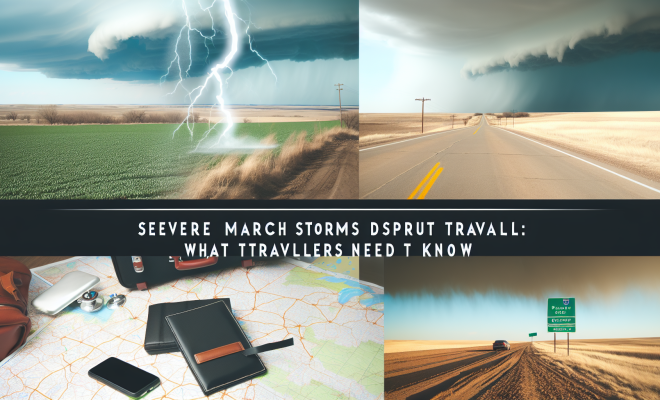
In an unprecedented turn of events, a severe weather system has wreaked havoc across the US Midwest starting March 12, 2026. This powerful storm has been characterized by a lethal combination of blizzards, wildfires, and thunderstorms, resulting in significant travel disruptions coinciding with the bustling Spring Break season.
Flight Cancellations and Travel Waivers
The impact of this storm has been felt acutely in the airline industry. Major carriers including Delta, American Airlines, and United Airlines have found themselves scrambling to accommodate travelers affected by widespread flight cancellations.
As thousands found themselves stranded at airports, these airlines quickly issued travel waivers, allowing passengers the flexibility to reschedule their itineraries without incurring additional fees. This move comes as a relief for many families and individuals who had planned vacations during the traditionally busy Spring Break period.
Flight Statistics
- Over 3,000 flights were canceled across various airports in the Midwest.
- Airports most affected include Chicago O’Hare, Denver International, and Minneapolis-St. Paul.
- Passengers are advised to check their flight status frequently and stay updated on airline policies.
Power Outages and Safety Concerns
The storm’s intensity has not only disrupted air travel but has also led to significant power outages across the region. According to reports, more than 500,000 customers were left without electricity as high winds and heavy snowfall brought down power lines.
Utility companies have been working around the clock to restore power, but the combination of hazardous road conditions and ongoing severe weather has hampered their efforts. Residents in affected areas have been urged to prepare for prolonged outages and to stay safe indoors as conditions remain volatile.
Regional Impacts on Tourism
For those hoping to take advantage of the spring skiing season, regional ski resorts in states like Colorado, Wyoming, and Utah have faced mixed conditions. While these areas have received significant snowfall, challenging road access has made travel to and from the resorts difficult.
Many ski enthusiasts have found themselves unable to reach their favorite slopes, leading to cancellations of reservations and tours. Resort operators are advising guests to check local travel advisories and to plan for potential delays.
What Skiers Can Expect
- Resorts in Colorado, Wyoming, and Utah are reporting heavy snowfall, but road conditions remain treacherous.
- Travelers should verify road conditions with local authorities before setting out.
- Some resorts have adjusted their hours of operation in response to the weather.
Advice for Travelers
For those who have travel plans in the Midwest, it is crucial to remain informed and flexible. Here are some tips for navigating this challenging situation:
- Stay Updated: Monitor local weather forecasts and airline announcements.
- Know Your Rights: Familiarize yourself with airline policies regarding delays and cancellations.
- Prepare for Emergencies: If you reside in affected areas, ensure you have supplies on hand, including food, water, and medications.
- Contact Your Airline: If your flight is canceled or delayed, reach out to your airline for options regarding rebooking.
Conclusion
The March 2026 blizzard and storms have created a travel nightmare for many across the Midwest, highlighting the unpredictable nature of weather and its potential impacts on travel. As airlines, utility companies, and local authorities work to manage the fallout from this severe weather system, travelers are encouraged to stay vigilant, plan ahead, and prioritize their safety during this tumultuous time.