Parenting Stress: Unseen Burden on Kids’ Mental Health
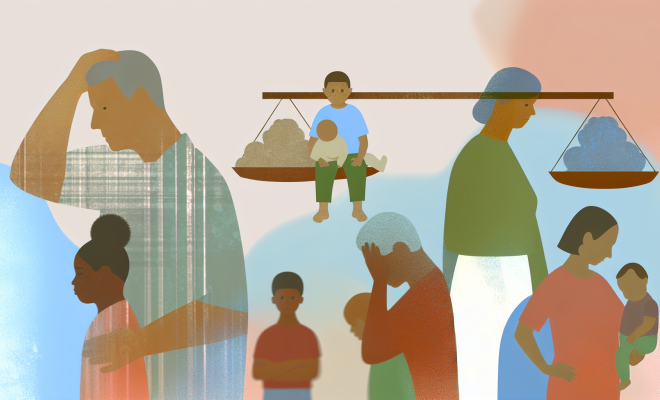
Parenting is often described as one of the most rewarding yet challenging roles a person can undertake. However, a recent survey conducted by the Kids Mental Health Foundation reveals that the emotional toll of parenting may be more burdensome than many realize. With nearly half of parents expressing constant stress and a staggering 97% reporting parenting-related stress in the past month, concerns are growing about the implications of this stress on children’s mental health.
The Survey: A Deep Dive into Parenting Stress
The national survey, which has been widely reported, including coverage by Medical Xpress, highlights an alarming trend among parents of children under 18. The findings indicate that:
- 97% of parents reported feeling parenting-related stress in the last month.
- 49% of parents stated they always or often feel stressed.
- 30% experience this stress frequently, indicating a persistent state of anxiety.
This data paints a vivid picture of the challenges faced by modern parents, who are navigating an increasingly complex landscape of responsibilities, expectations, and societal pressures.
Understanding the Sources of Stress
Parents attribute their stress to various factors, with many expressing that their worries about their children’s mental health and behavior are significant contributors. The survey reveals key triggers that contribute to parental stress:
- Child Behavior: Many parents report that their children’s behaviors, including mood swings, defiance, or anxiety, are substantial sources of stress.
- Academic Pressures: Concerns about their children’s academic performance and future opportunities weigh heavily on parents.
- Work-Life Balance: Juggling professional responsibilities with parenting duties creates a conflicting environment, leading to increased stress levels.
- Social Expectations: The pressure to meet societal norms regarding parenting and child-rearing can be overwhelming.
The Ripple Effect: How Parental Stress Affects Children
One of the most concerning aspects of this survey is the realization that many parents fear their stress is adversely affecting their children. The psychological impact of parental stress can manifest in various ways, including:
- Increased Anxiety: Children may develop anxiety disorders as a result of their parents’ stress, leading to a cycle of mental health issues.
- Behavioral Problems: Elevated stress levels in parents can lead to heightened irritability, which may result in negative interactions with children.
- Emotional Distress: Children may struggle to process their emotions when exposed to a stressful home environment, affecting their overall well-being.
- Academic Challenges: Stress in the home can lead to distractions and difficulties in school, further exacerbating both parental and child stress.
Breaking the Cycle: Strategies for Managing Parental Stress
While the statistics paint a concerning picture, there are proactive steps that parents can take to manage their stress and mitigate its effects on their children. Here are several strategies:
1. Open Communication
Encouraging open and honest discussions within the family can help alleviate misunderstandings and foster a supportive environment. Parents should let their children know that it’s okay to talk about feelings and fears.
2. Prioritizing Self-Care
Parents must remember to take care of their own mental and physical health. This can include regular exercise, healthy eating, and engaging in hobbies or activities that promote relaxation.
3. Seeking Professional Help
Therapy or counseling can be a valuable resource for parents dealing with high levels of stress. Professional guidance can help parents develop coping strategies that they can implement at home.
4. Building a Support Network
Establishing a support system of friends, family, or parenting groups can provide reassurance and advice. Sharing experiences with others in similar situations can be incredibly beneficial.
5. Setting Realistic Expectations
Parents should recognize that perfection is unattainable. Setting realistic expectations for both themselves and their children can reduce pressure and promote a healthier family dynamic.
The Role of Schools and Communities
In addition to parental efforts, schools and communities have a vital role in addressing the mental health of children and the stressors faced by families. Collaborative initiatives can lead to positive changes:
- Promoting Mental Health Awareness: Schools can implement programs that educate families about mental health issues and available resources.
- Providing Counseling Services: Access to mental health professionals within educational settings can support both children and parents.
- Creating Supportive Environments: Community organizations can create spaces where families feel safe to share their challenges and seek help.
Moving Forward: Addressing the Root Causes of Parenting Stress
To effectively reduce parenting stress, it’s crucial to address the systemic issues that contribute to it. This includes advocating for policies that support families, such as:
- Parental Leave Policies: Expanding paid parental leave can alleviate the pressure on new parents.
- Affordable Childcare: Access to affordable childcare services can help parents balance work and family responsibilities.
- Flexible Work Arrangements: Employers can support parents by offering flexible work schedules that accommodate family needs.
Conclusion: A Call to Action
As the survey by the Kids Mental Health Foundation indicates, parental stress is a significant issue that requires attention from individuals, communities, and policymakers alike. By acknowledging the realities of parenting stress and its implications for children’s mental health, society can begin to implement changes that foster healthier family dynamics.
In a world where nearly half of parents report feeling overwhelmed, it is imperative to create environments that support both parents and children. By prioritizing mental health, promoting open communication, and addressing systemic issues, we can work towards a future where parenting is less about survival and more about thriving.