Fossil Fuel Giants’ New Spin: ‘Essential Evils’ in 2024
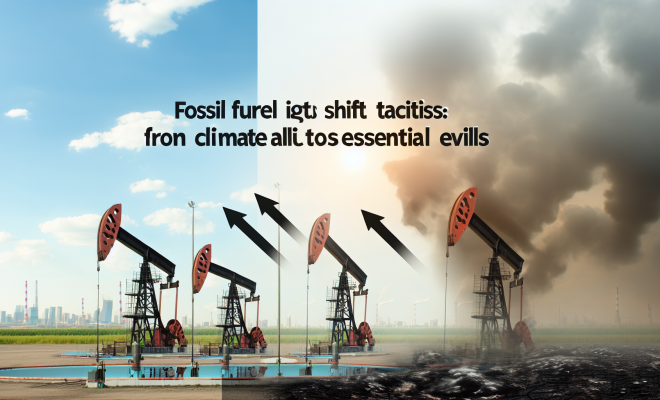
In a world increasingly aware of the environmental consequences of fossil fuel dependency, recent research from Clean Creatives has shed light on a troubling trend among major oil companies. Over the past four years, these fossil fuel giants have altered their climate messaging significantly, moving from a narrative of being ‘part of the solution’ to one that emphasizes their indispensable role in modern life with the phrase, ‘you can’t live without us.’
Shifting Narratives in Fossil Fuel Messaging
The Clean Creatives report highlights a strategic pivot among oil majors as they face growing scrutiny over their environmental impact. Companies that once positioned themselves as key players in the fight against climate change are now promoting a range of technologies that they claim will mitigate their carbon footprints. These include liquefied natural gas (LNG), carbon capture and storage (CCS), blue hydrogen, biofuels, and renewable diesel.
However, the report casts doubt on these so-called solutions, pointing out that many of these technologies are either derived from fossil fuels or remain unproven at scale. This suggests that the fossil fuel industry is not genuinely committed to reducing emissions but rather engaging in a new form of greenwashing.
The Dangers of Greenwashing
Greenwashing refers to the practice of companies misleading consumers regarding the environmental benefits of a product or service. In the context of fossil fuels, this can take the form of promoting technologies that give the illusion of sustainability while keeping society locked into a fossil fuel-dependent economy.
- Liquefied Natural Gas (LNG): Marketed as a cleaner alternative to coal and oil, LNG production and transport are not without significant carbon emissions.
- Carbon Capture and Storage (CCS): While CCS has potential, it is not yet widely adopted and often fails to address the full lifecycle emissions of fossil fuels.
- Blue Hydrogen: Produced from natural gas with carbon capture, the long-term feasibility and environmental impact of blue hydrogen remain debated.
- Biofuels and Renewable Diesel: Often derived from food crops or other land-intensive sources, these fuels can lead to deforestation and food shortages.
The Clean Creatives report argues that this shift in messaging is not merely a marketing strategy but a deliberate attempt to maintain public and governmental support for fossil fuel extraction and consumption. As more than 90 countries, including Germany and the Netherlands, have endorsed a roadmap for transitioning to green energy, the absence of fossil fuel mentions in the final UN agreements raises concerns about the industry’s influence in shaping climate policies.
Global Response to Climate Change
The findings from Clean Creatives come at a pivotal moment in climate policy discussions worldwide. Nations are increasingly recognizing the urgent need to shift from fossil fuels to renewable energy sources to meet the targets outlined in international climate accords. However, as fossil fuel companies pivot their messaging, they risk undermining genuine progress toward these goals.
As countries strive to implement their commitments to reduce greenhouse gas emissions, the role of fossil fuel companies in shaping public perception and policy becomes critically important. The narrative that fossil fuels are essential for economic stability and energy security can hinder efforts to transition to sustainable alternatives.
The Road Ahead: A Call for Transparency and Accountability
In light of these findings, it is crucial for governments, consumers, and environmental advocates to demand greater transparency and accountability from fossil fuel companies. As the narrative shifts and new technologies are promoted, it is imperative to scrutinize their actual environmental impacts and long-term viability.
Moreover, the growing trend of greenwashing highlights the need for stricter regulations and standards around the marketing of energy solutions. Policymakers must ensure that claims made by fossil fuel companies are backed by scientific evidence and that investments are directed toward truly renewable and sustainable energy sources.
Conclusion
The Clean Creatives report serves as a wake-up call for individuals and organizations concerned about climate change. While fossil fuel companies may attempt to portray themselves as part of the solution, it is essential to critically evaluate their claims and understand the implications of their messaging. The future of our planet depends on a transparent and accountable approach to energy production and consumption—one that prioritizes sustainability over fossil fuel dependency.