March Heatwave: A Stark Reminder of Climate Change’s Impact
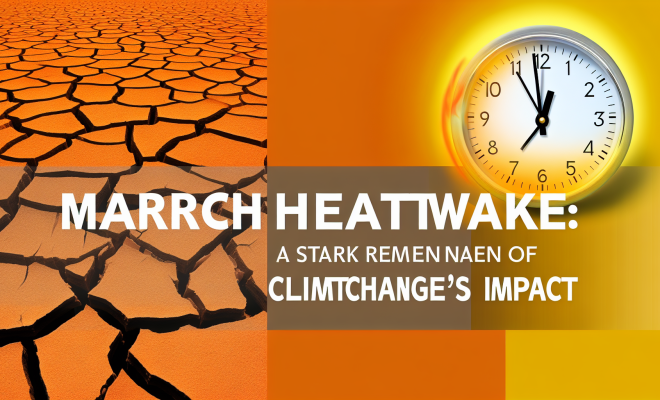
In an alarming demonstration of the impacts of climate change, the Southwest United States and far northwest Mexico have recently experienced one of the most extreme weather events in recorded history. March 2026 has brought record-shattering heat to these regions, raising urgent questions about the role of human activity in the changing climate.
Unprecedented Temperature Records
According to climate analysis, the March heat this year has reached levels that were deemed virtually impossible without the influence of climate change. The soaring temperatures have not only broken local records but have also aligned with a broader trend of increasing heat across the globe. Scientists report that the extreme weather event is closely linked to global warming driven by fossil fuel emissions.
The Science Behind the Heat
Researchers have long warned that climate change would lead to more frequent and severe weather events. The recent heatwave is a stark illustration of this prediction. Climate models indicate that the atmospheric conditions necessary for such extreme temperatures are significantly altered by the increase in greenhouse gases, primarily carbon dioxide, from human activities.
The Southwest has historically been known for its warm climates, but this year’s March temperatures have surged to levels far beyond the norm. In many areas, thermometers have registered temperatures soaring into the 90s Fahrenheit (over 32 degrees Celsius), an anomaly for early spring. For instance, cities like Phoenix, Arizona, have recorded temperatures that not only break March records but are also on par with typical summer highs.
Human Influence on Climate
The connection between this extreme weather event and human-caused climate change is underscored by extensive scientific research. The Intergovernmental Panel on Climate Change (IPCC) has consistently documented the ways in which human activities, particularly the burning of fossil fuels, have led to a rise in global temperatures. As greenhouse gas emissions accumulate in the atmosphere, they trap heat, creating a domino effect that influences weather patterns worldwide.
What’s at Stake?
The repercussions of such extreme temperatures extend beyond discomfort. They pose serious risks to public health, agriculture, and natural ecosystems. As heatwaves become more frequent and intense, vulnerable populations, particularly the elderly and those with pre-existing health conditions, face heightened health risks. The increased demand for energy to cool homes and businesses can also strain power grids, leading to outages and additional public safety concerns.
- Public Health: Heat-related illnesses can escalate during extreme weather events, leading to increased hospitalizations and, in severe cases, fatalities.
- Agriculture: Crops are more vulnerable to heat stress, which can lead to reduced yields and food insecurity.
- Ecosystems: Wildlife is impacted by habitat loss and changes in food sources, leading to shifts in biodiversity.
The Call for Action
This record-breaking March heatwave serves as a critical reminder of the urgent need for action to combat climate change. Experts emphasize that community awareness and engagement are essential in addressing this global crisis. The implementation of policies aimed at reducing carbon emissions, transitioning to renewable energy sources, and enhancing climate resilience must be prioritized.
Community and Global Response
Local governments, organizations, and individuals have a part to play in mitigating the effects of climate change. Initiatives such as tree planting, energy conservation, and advocacy for sustainable practices can contribute significantly to reducing carbon footprints. On a global scale, international cooperation is vital to achieve climate goals outlined in agreements like the Paris Accord, which aims to limit global warming to below 2 degrees Celsius above pre-industrial levels.
Moreover, educational campaigns can empower communities to understand the implications of climate change and encourage proactive measures. Raising awareness about the direct connection between human activities and extreme weather phenomena can galvanize public support for climate policy reforms.
Looking Ahead
As the planet continues to warm, the likelihood of experiencing more extreme weather events increases. The March 2026 heatwave is not just a local concern; it is a global issue that requires immediate and sustained action. Climate scientists urge that the time for debate is over; the need for decisive action is now.
The lessons from this unprecedented weather event must resonate across all levels of society. By acknowledging the realities of climate change and committing to meaningful action, we can work towards a more sustainable and resilient future. Addressing the challenges posed by climate change will not only help mitigate extreme weather but will also protect the health and well-being of communities worldwide.