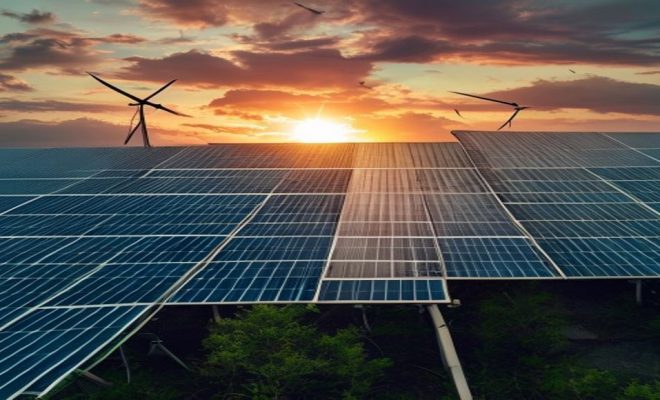
Asia’s Energy Revolution: Prioritizing Security & Renewables
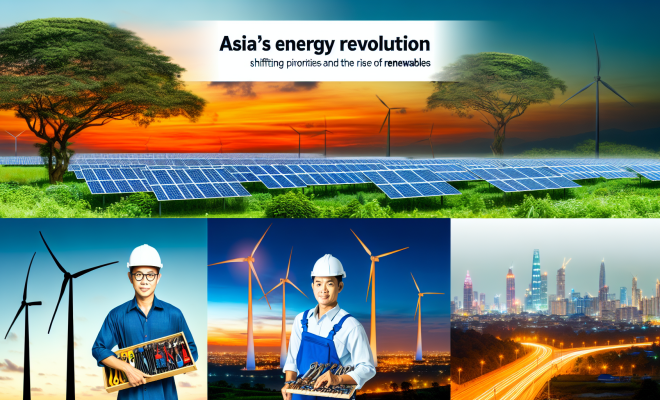
As the world grapples with the complexities of energy security, Asia is rapidly positioning itself as a pivotal player in the global energy landscape. Major economies such as China, India, Japan, and South Korea are increasingly prioritizing energy security over traditional free trade principles. This shift comes in the wake of an ongoing energy crisis that has prompted these nations to seek alternative supplies of oil and liquefied natural gas (LNG), while simultaneously diversifying their fuel sources.
The Shift Toward Energy Security
The ongoing geopolitical tensions and market volatility have underscored the necessity for countries to bolster their energy independence. For instance, China’s heavy reliance on foreign oil and gas has prompted the government to invest heavily in domestic energy production capabilities, including renewables. Similarly, India’s expanding economy demands a stable and secure energy supply, leading to significant investments in both conventional and alternative energy sources.
Renewables as a Practical Solution
Interestingly, the renewable energy sector is witnessing a surge in investments, not solely driven by ideological beliefs but rather as a pragmatic approach to mitigating price risks associated with imported fossil fuels. This practical focus on renewable energy is reshaping how nations view their energy strategies.
- Investment in Renewables: Countries are increasingly channeling funds into renewable energy projects to ensure a more stable, self-sufficient energy future.
- Reducing Dependency: By diversifying their energy sources, nations hope to reduce their dependence on volatile fossil fuel markets.
The Role of Electric Networks and Infrastructure
As part of this energy transition, investments in electric networks and grid infrastructure are accelerating. Countries are recognizing that enhancing electricity infrastructure is essential for integrating renewable energy sources effectively. This shift is not merely a short-term response to crises but a long-term strategy aimed at building resilience against future energy shocks.
Energy Storage Solutions
Energy storage technology is also emerging as a critical component in the transition to renewable energy. As intermittent renewable sources like solar and wind become more prevalent, the need for efficient energy storage solutions that can balance supply and demand has never been more urgent. Innovations in battery technology and other storage methods are helping to stabilize electricity supply, making renewables a more attractive option for national energy grids.
Resilience of Renewable Energy Companies
Amid the backdrop of expensive gas prices and fluctuating oil markets, renewable energy companies are exhibiting greater resilience compared to traditional oil and gas giants. This resilience is attributed to several factors:
- Lower Operational Costs: As technology evolves, the costs associated with renewable energy production continue to decline, making it increasingly competitive with fossil fuels.
- Supportive Policies: Governments are implementing policies that favor renewable energy adoption, including subsidies and tax incentives.
- Public Sentiment: Growing public awareness of climate issues is driving demand for cleaner energy sources.
The Future of Energy in Asia
Looking ahead, the energy landscape in Asia is set to undergo profound changes. The emphasis on energy security will likely lead to a more diversified energy portfolio across the region. As countries ramp up their investments in renewables and energy infrastructure, we can expect to see:
- Increased Collaboration: Nations may collaborate more closely on energy projects, sharing technology and resources to enhance collective energy security.
- Innovation and Research: Governments and companies will likely invest in R&D to drive advancements in renewable technologies and energy efficiency.
- Global Leadership: Asia could emerge as a leader in the global renewable energy market, influencing energy policies and practices worldwide.
Conclusion
The evolving energy dynamics in Asia signify a critical transition towards a more sustainable and secure energy future. By prioritizing energy security and investing in renewable technologies, Asian economies are not only addressing immediate challenges but are also laying the groundwork for long-term resilience. This transformative journey towards a renewable energy-driven landscape is poised to reshape the global energy market in the years to come, offering hope for a more stable and sustainable energy future.