NASA’s 2026 Lunar Strategy: Sustainable Moon Presence & New Challenges
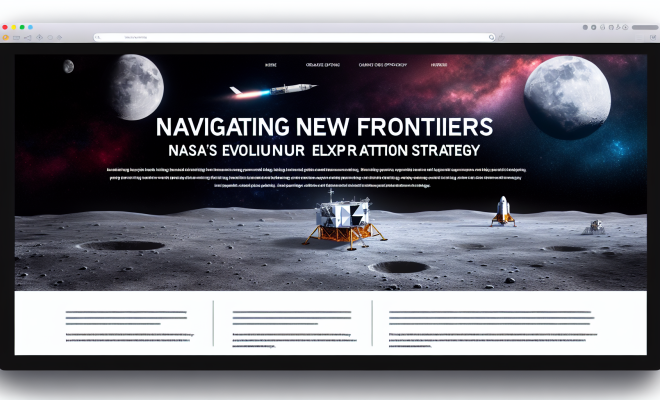
As humanity prepares to venture deeper into the cosmos, NASA is recalibrating its lunar exploration strategy to confront emerging challenges and capitalize on technological advancements. The March 13, 2026, deep space update sheds light on NASA’s evolving objectives as it aims to establish a sustainable presence on the Moon, all while addressing the complexities of operating in a harsh extraterrestrial environment.
Challenges on the Lunar Frontier
The Moon has long been a focal point in humanity’s quest for knowledge beyond Earth. However, as NASA ramps up its efforts, several significant challenges have come to the forefront. One of the most pressing issues is the impact of Churankov radiation on astronauts’ eyesight. This phenomenon, which occurs in the presence of high-energy particles, poses a risk to the visual health of astronauts working on the lunar surface. Understanding and mitigating this effect is critical for long-duration missions.
Adjusting to the Lunar Day-Night Cycle
In addition to Churankov radiation, astronauts will have to adjust to the unique lunar day-night cycle. Unlike Earth, where days and nights last 24 hours, the Moon experiences a full day-night cycle every 29.5 Earth days. This discrepancy can disrupt human circadian rhythms, making it essential for NASA to develop innovative solutions for sleep management and operational efficiency.
The International Space Station: A Testing Ground
The International Space Station (ISS), orbiting Earth approximately every 90 minutes, presents its own set of challenges. Astronauts on the ISS experience 16 sunrises and sunsets daily, which can significantly affect their sleep cycles and overall well-being. NASA has been closely monitoring these effects to inform future lunar missions and ensure that astronauts can maintain optimal performance levels.
Solar Flares and Communication Disruptions
Another critical factor in space exploration is the impact of solar flares. These bursts of radiation can cause disturbances in the upper atmosphere, leading to radio blackouts that jeopardize communications between astronauts and mission control. Understanding the frequency and intensity of solar flares is vital for planning safe lunar operations and ensuring that astronauts can remain in contact with their teams.
NASA’s Strategic Objectives
Amid these challenges, NASA’s strategic objectives for lunar exploration are becoming clearer. The agency aims to not only return humans to the Moon but to establish a sustainable presence that paves the way for future exploration of Mars and beyond. Key initiatives include:
- Artemis Program: NASA’s Artemis program is at the forefront of its lunar ambitions, with plans to land the first woman and the next man on the lunar surface by 2024.
- Gateway Lunar Outpost: A planned orbital space station, the Gateway will serve as a staging point for missions to the lunar surface and beyond, facilitating long-duration stays and scientific research.
- In-Situ Resource Utilization (ISRU): NASA is exploring ways to utilize lunar resources, such as water ice, to support life and create fuel for future missions.
Collaboration with Commercial Partners
To achieve these ambitious goals, NASA is fostering partnerships with commercial space companies. Collaborations with private sector innovators are expected to accelerate technology development and reduce costs, enabling a more robust exploration framework. This partnership approach allows NASA to leverage the capabilities of the commercial space industry while focusing on its core mission objectives.
Preparing for the Future
As NASA works to overcome the challenges associated with lunar exploration, the agency is also preparing for the long-term future of deep space missions. The lessons learned from lunar operations will be crucial for understanding how to effectively explore Mars and other celestial bodies. By addressing issues like Churankov radiation, sleep cycle disruptions, and communication challenges, NASA is laying the groundwork for the next generation of space exploration.
The Path Ahead
In summary, NASA’s evolving lunar exploration strategy reflects an adaptive approach to the complexities of operating in space. With a focus on sustainability, innovation, and collaboration, the agency is poised to navigate the challenges of lunar exploration while setting the stage for humanity’s bold journey to Mars and beyond. As we look to the stars, NASA’s commitment to addressing the technical and human factors of space travel will be instrumental in ensuring the success of future missions.