Stop Dog Biting: Effective Strategies for a Harmonious Home
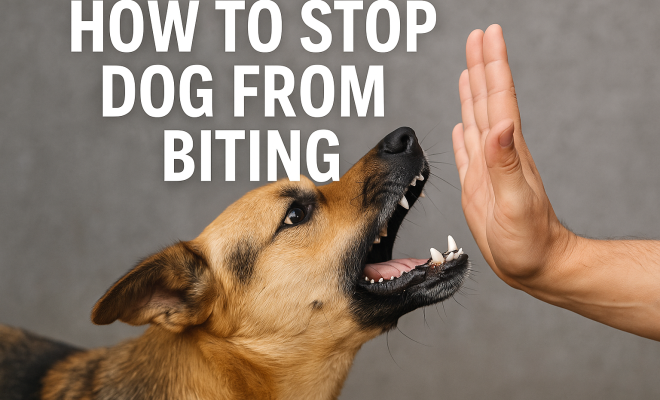
“`html
Dog owners often face a troubling behavior: biting. Whether it’s playful nipping or aggressive biting, understanding how to stop dog biting is crucial for a safe and harmonious home. In this article, we’ll explore why dogs bite, the different types of biting behaviors, and effective strategies to curb this issue. By the end, you’ll be armed with practical insights that can help you and your furry friend.
1. Understanding Why Dogs Bite
To effectively stop dog biting, it’s essential to understand the underlying reasons behind the behavior. Dogs may bite due to fear, pain, territorial instincts, or even playfulness. According to the American Kennel Club (AKC), a significant percentage of dog bites occur when a dog is startled or feels threatened.
For instance, a dog may bite if it’s approached suddenly by an unfamiliar person or is disturbed while eating. Recognizing these triggers can help owners manage their dog’s behavior and prevent biting incidents from occurring. Addressing the root cause of biting behavior often leads to long-term solutions rather than just temporary fixes.
2. Types of Dog Biting Behaviors
Not all dog bites are created equal. Understanding the different types of biting behaviors can help in addressing each one effectively:
- Playful Biting: Often seen in puppies, this behavior is usually harmless and stems from natural play instincts. It can be curbed through redirection and training.
- Fearful Biting: Dogs that feel threatened might bite as a defense mechanism. This type is often accompanied by body language indicating stress.
- Aggressive Biting: This type poses significant risks and may stem from territorial behaviors or lack of socialization. Aggressive biting is serious and requires immediate attention.
- Medical Biting: Some dogs may bite if they are in pain due to underlying health issues. It’s crucial to consult a vet if this behavior arises suddenly.
Identifying the type of biting your dog exhibits is the first step in determining the proper strategy to stop dog biting. Each type requires a different approach, and being aware of these distinctions can save you time and frustration.
3. Socialization: A Key to Prevention
One of the most effective ways to stop dog biting is through proper socialization. Exposing your dog to various people, animals, and environments helps them become well-adjusted and less fearful. Start socializing your puppy early by introducing them to different settings and experiences. This can include dog parks, pet-friendly stores, and puppy training classes.
Even for older dogs, socialization can be beneficial. Gradually expose them to new experiences in a controlled manner to reduce anxiety and fear-based reactions. Remember that positive experiences during socialization can significantly diminish the likelihood of biting.
Consider enrolling your dog in a socialization class where they can learn to interact safely with other dogs and people. These environments often provide supervised settings where dogs can learn appropriate behaviors, which is essential for instilling lifelong skills.
4. Positive Reinforcement Training
Utilizing positive reinforcement is another effective strategy to stop dog biting. This training method encourages good behavior through rewards such as treats, praise, or playtime. When your dog refrains from biting or displays calm behavior during stressful situations, reward them immediately to reinforce this positive action.
For example, if your dog is playing with a child and doesn’t bite, offer them a treat or verbal praise. Over time, they’ll start associating good behavior with positive outcomes, which can help reduce biting incidents significantly. Additionally, consistency in rewards is vital; ensure that the same behaviors are rewarded every time they occur.
Experts recommend keeping training sessions short but frequent. This approach keeps your dog engaged and helps them learn more efficiently. Incorporating fun activities into training sessions can also enhance your dog’s learning experience.
5. Redirecting Energy and Focus
Dogs often bite as a form of play or to release pent-up energy. Redirecting their focus to appropriate activities can help stop dog biting. Ensure your dog receives enough physical and mental stimulation through regular walks, play sessions, and interactive toys. (See: CDC on dog bite prevention.)
When you notice your dog becoming overly excited or starting to nip, redirect them to a chew toy or engage them in a game of fetch. This not only distracts them from biting but also provides an outlet for their energy. Incorporating puzzle toys or treat-dispensing toys can also keep your dog mentally stimulated, reducing their desire to bite out of boredom.
Regular exercise is fundamental. Dogs that don’t get enough physical activity might engage in destructive behaviors. A daily routine of exercise can vastly improve their behavior and well-being.
6. Establishing Boundaries
Creating clear boundaries can significantly help in managing your dog’s behavior. Teach your dog essential commands such as “no” or “leave it” to assert control over their actions. Consistency is key; ensure that all family members apply the same rules regarding biting.
Using gates or barriers can also help prevent your dog from approaching situations where they might feel compelled to bite. For instance, if your dog is reactive to visitors, consider placing them in a separate room until they calm down. This allows them to feel secure without the pressure of having to engage with guests.
Setting these boundaries can also extend to situations outside the home. For example, if your dog tends to nip during walks when meeting other dogs or people, practicing distance and gradually decreasing it can teach them to remain calm.
7. Seeking Professional Help
If your dog’s biting behavior is severe or doesn’t improve with your efforts, it might be time to seek help from a professional dog trainer or behaviorist. They can provide personalized guidance and develop a training plan tailored to your dog’s specific needs.
Professional trainers are equipped with the knowledge and experience necessary to handle various behavioral issues, including biting. They can help you understand your dog’s body language, teach you effective training techniques, and assist in modifying your dog’s behavior. Be sure to look for trainers who utilize positive reinforcement methods, as punitive approaches may create more problems than they solve.
Consider joining a local dog training club or organization. Many offer workshops and classes that can further enhance your training techniques and connect you with other dog owners facing similar challenges.
8. Health Considerations
Lastly, it’s crucial to rule out any medical issues that might be causing your dog to bite. Health problems can lead to sudden changes in behavior, including increased aggression or fearfulness. Schedule a visit to the vet if you notice any unusual biting behavior, especially if it’s a new development.
Conditions such as pain from arthritis, dental problems, or neurological disorders can lead to reactive biting. Addressing these health concerns can significantly improve your dog’s overall behavior and help you stop dog biting. Regular veterinary check-ups can catch potential issues early on, ensuring your dog remains healthy and happy.
9. The Role of Breed in Biting Behaviors
It’s important to note that certain breeds may have predispositions towards biting or aggressive behavior. Breeds like Rottweilers, Pit Bulls, and German Shepherds often receive significant scrutiny due to their strong build and protective instincts. However, it’s essential to remember that individual temperament varies widely among dogs, regardless of breed.
Understanding the typical characteristics of your dog’s breed can help you anticipate certain behaviors. For instance, herding breeds may nip as a way to guide or control, while terriers could exhibit a propensity to bite when excited or playful. Training and socialization are crucial in mitigating these tendencies and fostering a safe environment.
Research shows that breed-specific behaviors can be tempered with proper training and socialization. It’s not just about the breed; it’s also about the care and environment provided by the owner. Thus, focusing on individual training and socialization can lead to a positive outcome, irrespective of the breed.
10. Case Studies: Success Stories in Stopping Dog Biting
Consider the story of Max, a two-year-old German Shepherd who developed aggressive biting habits due to a lack of socialization and negative experiences with strangers. His owners sought the help of a professional trainer who recommended a combination of desensitization techniques and positive reinforcement. Over several months, they gradually exposed Max to new environments and people, rewarding him for calm behavior. As a result, Max transformed into a friendly and well-adjusted dog.
Another case involves Bella, a playful Golden Retriever who frequently nipped at children in the park. Her owners learned that Bella was simply overexcited during play. They redirected her energy to appropriate toys and engaged her in training that emphasized calmness around children. Bella’s biting behavior decreased, allowing her to enjoy social interactions without fear of aggression.
These success stories show that with dedication and the right strategies, even the most challenging biting behaviors can be addressed effectively. They serve as reminders that every dog can improve with patience and the correct approach.
11. Common Misconceptions About Dog Biting
There are many myths surrounding dog biting that can hinder effective training. One common misconception is that all biting is a sign of aggression. While biting can be aggressive, it can also be a sign of stress, fear, or even playfulness. Owners must be careful not to label their dogs as “bad” based on isolated incidents. Understanding the context of the behavior is crucial in addressing it effectively.
Another myth is that once a dog has bitten, they are irreversibly dangerous. While some dogs may require more intensive training, many can overcome biting issues with the right approach and care. Early intervention is key — the sooner you address the behavior, the better the chances of successful modification.
Additionally, some people believe that small dogs can’t cause serious harm when they bite, but even small bites can lead to injuries or infections. All dogs, regardless of size, must be trained to manage their biting behavior appropriately.
12. Expert Tips for Preventing Biting
Experts suggest several proactive strategies for dog owners aimed at preventing biting behavior:
- Early Training: Start training as soon as you bring your dog home, regardless of age. Basic commands and socialization can set a solid foundation.
- Frequent Breaks: Provide ample breaks during play sessions to prevent overstimulation, which can lead to nipping. Recognizing signs of overexcitement is crucial.
- Understand Canine Body Language: Learning to read your dog’s body language can help you recognize when they feel stressed or threatened, allowing you to intervene before biting occurs.
- Consistent Routine: Dogs thrive on routine. Establish a structured schedule for feeding, walks, and playtime to create a calm environment.
- Involve All Family Members: Ensure that every family member understands the training commands and rules regarding biting to maintain consistency.
- Use Toys as Distractions: Keeping plenty of chew toys available can help redirect your dog’s energy when they feel the urge to bite.
13. FAQs About Stopping Dog Biting
Q: Can older dogs learn not to bite?
A: Absolutely! While older dogs may take longer to unlearn habits, with consistent training and patience, many can significantly reduce biting behavior.
Q: What should I do if my dog bites someone?
A: First, ensure the person is safe and seek medical help if needed. Then, assess the situation to understand what triggered the behavior. Consider consulting a professional trainer for guidance on preventing future incidents.
Q: Is it ever okay to punish a dog for biting?
A: Punishing a dog can often lead to fear and worsened behavior. Instead, focus on redirecting and reinforcing positive behaviors. Training should always aim for understanding and improvement, not punishment.
Q: How long does it take to stop dog biting?
A: The timeline can vary based on the dog’s age, temperament, and consistency of training. It may take weeks to months, but with dedication, improvement is usually seen.
Q: Are there certain breeds that are more prone to biting?
A: While some breeds may have a reputation for aggression, individual temperament and training play a more significant role. Proper socialization and training are critical for all dogs, regardless of breed.
Q: Can anxiety lead to biting behavior?
A: Yes, anxiety is a significant factor that can lead to biting. Dogs that feel anxious or threatened may react defensively. It’s essential to identify triggers and work on desensitization to help alleviate this anxiety.
Q: How can I tell if my dog is feeling threatened?
A: Signs of a threatened dog can include growling, baring teeth, raised hackles, and a stiff body posture. Recognizing these signs early can help prevent an aggressive response.
Effectively addressing dog biting requires a blend of understanding, training, and sometimes professional intervention. By applying these strategies consistently, you not only foster a safer environment for others but also strengthen the bond with your canine companion. Remember, patience and persistence are key — with the right approach, you can successfully stop dog biting and ensure a happy, well-adjusted dog.
“`
Trending Now
Frequently Asked Questions
Why does my dog bite me when playing?
Playful biting is common in puppies and stems from their natural instincts during play. This behavior can often be curbed through redirection and training, teaching your dog appropriate play behaviors to prevent nipping.
What should I do if my dog bites someone?
If your dog bites someone, it's crucial to assess the situation and ensure everyone's safety. Seek veterinary advice to rule out medical issues, and consider consulting a professional trainer to address the underlying causes of aggressive behavior.
How can I prevent my dog from biting?
To prevent biting, understand your dog's triggers, provide proper socialization, and use positive reinforcement training. Redirect playful biting behaviors and ensure your dog feels safe and secure in their environment.
Is my dog biting out of fear?
Yes, dogs may bite out of fear when they feel threatened. Signs of fearful biting include defensive body language. Understanding these signals and providing a safe environment can help reduce fear-based biting.
What causes aggressive biting in dogs?
Aggressive biting can stem from territorial behaviors, lack of socialization, or fear. It's important to identify the cause and seek immediate professional help to address this serious behavior effectively.
Agree or disagree? Drop a comment and tell us what you think.