Shocking: 195,000 Heated Blankets Recalled After Dozens Suffer Burns – Is Yours One of Them?
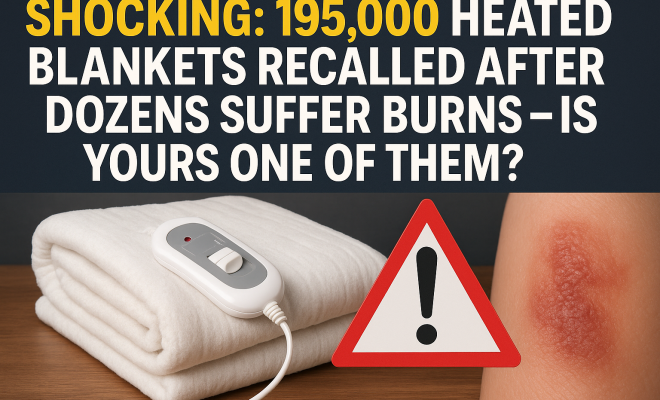
There’s a concerning development in the world of cozy home comforts that you absolutely need to know about. If you’ve snuggled up with a heated blanket or pad purchased from Amazon anytime in the last few years, listen up. JKMAX, a company whose products have found their way into hundreds of thousands of homes, has initiated a significant recall. We’re talking about approximately 195,000 heated blankets and heating pads that are now deemed hazardous, and the reasons behind this are genuinely troubling: hundreds of overheating incidents, including dozens of serious burn injuries. This isn’t just a minor glitch; it’s a critical safety issue that could put you or your loved ones at risk. The sheer scale of the JKMAX heated blanket recall, coupled with the severity of the reported incidents, underscores the importance of immediate action if you own one of these products.
The Consumer Product Safety Commission (CPSC) has highlighted the core problem: the internal wire heating elements within these JKMAX products can overheat, creating a dangerous combination of fire and burn hazards. Think about that for a moment. A product designed to provide warmth and comfort could, in fact, cause a fire or inflict a painful burn. It’s a stark reminder that even everyday household items demand our vigilance, especially when they involve electricity and heat. This situation has understandably generated a high level of public concern, sparking conversations across social media platforms as people scramble to check their own blankets and share information about the recall. Let’s dig into the specifics of this urgent safety alert, what you need to do, and why this particular recall is resonating so deeply with consumers.
The Alarming Scope of the JKMAX Heated Blanket Recall
When a recall hits nearly 200,000 units, it’s not a small blip on the radar; it’s a widespread problem affecting a significant portion of the market. The JKMAX heated blanket recall specifically targets products sold on Amazon.com between September 2022 and July 2026. Yes, you read that right – the recall period stretches into the future, which tells us that these products were still being sold relatively recently. This extended sales window means that a vast number of consumers might unknowingly have these dangerous items in their homes right now. The sheer volume makes it one of the more substantial consumer product recalls we’ve seen in the heated bedding category.
The company, JKMAX, has been transparent about the reason for the recall: the internal wire heating elements are simply not performing as they should. Instead of maintaining a safe, consistent temperature, they have a tendency to overheat. This isn’t just about a blanket getting a little too warm; it’s about temperatures reaching dangerous levels capable of causing significant harm. The CPSC, which plays a pivotal role in protecting consumers from hazardous products, has been instrumental in bringing this recall to light, emphasizing the severe risks of fire and burn injuries. For many, a heated blanket is a winter staple, a go-to for comfort. To discover that such a seemingly innocuous item carries such a grave risk is, frankly, unsettling.
A Deep Dive into the Reported Incidents: Burns and Overheating
The numbers behind this recall are stark and paint a clear picture of the dangers involved. JKMAX has received a staggering 577 reports of overheating incidents. Let that sink in for a moment. Nearly 600 separate instances where these blankets or heating pads malfunctioned, getting dangerously hot. But it doesn’t stop there. Out of those 577 reports, a deeply concerning 53 incidents resulted in burn injuries. These aren’t just minor irritations; burns can be incredibly painful, require medical attention, and in severe cases, lead to long-term scarring or other complications. Imagine settling down for a relaxing evening, only to be jolted by the searing pain of a burn from an item you trusted for comfort.
These incidents aren’t abstract statistics; they represent real people who have suffered physical harm. The fact that dozens of individuals have sustained burn injuries directly attributable to these products is the driving force behind the ‘urgent safety alert.’ It underscores that the risk is not theoretical; it’s a proven, tangible threat. The nature of these reports likely ranges from minor, superficial burns to more severe ones, but any burn injury is a serious matter, particularly when it stems from a product that should be safe in your home. This level of incident reporting often indicates a systemic flaw in the product’s design or manufacturing, a flaw that JKMAX is now attempting to rectify through this widespread recall.
Understanding the Mechanism of Failure: Why Do They Overheat?
At the heart of the JKMAX heated blanket recall is a fundamental failure in the product’s design or manufacturing: the internal wire heating elements. Most heated blankets work by embedding thin, insulated wires throughout the fabric. When powered, these wires generate heat, which then warms the blanket. A critical component of any safe heated blanket is a robust temperature control system. This system typically includes thermostats and sensors designed to prevent the wires from getting too hot, automatically shutting off the power if a dangerous temperature is detected. (See: Consumer Product Safety Commission.)
In the case of the JKMAX products, it appears this crucial safety mechanism is either faulty, inadequate, or entirely absent in some units. When the internal wire heating elements are unable to regulate their temperature effectively, they can continue to heat up beyond safe limits. This uncontrolled heating can lead to several dangerous scenarios: the blanket material itself can scorch, melt, or even ignite, posing a direct fire hazard. Additionally, direct contact with an overheated section of the blanket can cause severe skin burns. The failure isn’t just a matter of discomfort; it’s a breakdown in the very safety features that consumers rely on when purchasing an electrical heating appliance for their homes. This points to a potential quality control issue that allowed a significant number of these defective units to reach the market over a prolonged period.
Who Is Affected? Identifying the Recalled Products
So, how do you know if your cozy companion is actually a hidden hazard? The JKMAX heated blanket recall covers specific models of heated blankets and heating pads sold exclusively on Amazon.com. While the summary doesn’t provide specific model numbers or product names, it’s crucial that if you purchased any JKMAX brand heated blanket or heating pad from Amazon between September 2022 and July 2026, you take immediate action. This wide date range means a lot of different products could be implicated.
To identify if your product is affected, your first step should be to check the brand name. Look for ‘JKMAX’ on the label or packaging. If you no longer have the packaging, examine the product itself for any tags or labels indicating the brand. Next, try to recall or check your Amazon purchase history for any heated blankets or pads bought within that timeframe. Amazon typically keeps a detailed record of your orders, which can be invaluable in situations like this. Don’t assume your blanket is safe just because it hasn’t overheated yet. The nature of these defects often means that while some units fail quickly, others might operate normally for a time before manifesting the dangerous flaw. The CPSC and JKMAX are urging all owners of these products to err on the side of caution.
Immediate Action Required: What Consumers Must Do
This is where the rubber meets the road. If you’ve identified that you own a JKMAX heated blanket or heating pad purchased within the specified timeframe, the advice is unequivocal and urgent: immediately stop using the recalled blankets and pads. Do not plug them in again. Do not try to test them. Just unplug them and put them aside. The risk of fire and burn injuries is too great to take any chances.
Your next step is to contact JKMAX for a full refund. The recall notice from the CPSC and the company itself should provide clear instructions on how to initiate this process. Typically, this involves visiting a specific recall website, filling out an online form, or calling a dedicated customer service number. You’ll likely need to provide proof of purchase, such as an Amazon order number, and potentially follow instructions for safely disposing of the product (sometimes requiring you to cut the cord and send a photo as proof). Don’t delay on this. Every day these products remain in use is another day you or someone in your home could be at risk. A full refund means you won’t be out of pocket for a product that turned out to be dangerous, and it allows you to replace it with a safer alternative.
Navigating the Refund Process: Tips and Expectations
Contacting a company during a large-scale recall can sometimes feel like a daunting task, but it’s a necessary one. When you reach out to JKMAX, be prepared with your purchase details. Having your Amazon order number, the date of purchase, and possibly a screenshot of your order confirmation will streamline the process. Companies often set up dedicated recall hotlines or online portals to handle these inquiries, so look for those specific resources rather than using general customer service channels.
During the process, the company will likely guide you on how to proceed with the product itself. Some recalls ask you to return the item, while others, especially with potential fire hazards, might instruct you to cut the power cord and provide photographic evidence before issuing a refund. This is to ensure the recalled product cannot be resold or reused. Be patient, but persistent. If you encounter any difficulties, keep a record of your communications, including dates, times, and the names of any representatives you speak with. The goal is a full refund, and companies are legally obligated to provide one in these situations. If you feel you’re not getting adequate assistance from JKMAX, you can always report your experience to the CPSC, which monitors recall effectiveness. (See: New York Times coverage on recalls.)
The Broader Implications: Product Safety in the E-commerce Era
This JKMAX heated blanket recall isn’t just about one company or one product; it shines a spotlight on a larger issue within our modern retail landscape, especially with the dominance of e-commerce platforms like Amazon. Products from a multitude of manufacturers, both domestic and international, are readily available with just a few clicks. While this offers incredible convenience and choice, it also presents challenges for oversight and quality control.
In traditional retail, established brands often have long-standing reputations and more stringent quality assurance processes. With online marketplaces, smaller, less known manufacturers can quickly bring products to market. While many of these are perfectly safe, incidents like the JKMAX recall raise questions about the vetting processes for sellers and products on these massive platforms. How are product safety standards enforced for items shipped directly from manufacturers or third-party sellers? This recall underscores the critical need for robust regulatory oversight and for consumers to remain vigilant, even when purchasing from trusted online retailers. It’s a complex balance between accessibility and ensuring every product sold meets fundamental safety requirements.
Why Social Media is Buzzing: Consumer Trust and Vigilance
The phrase ‘high public concern and social media discussion’ in the recall summary is no exaggeration. When a common household item, something people rely on for comfort, turns out to be a fire and burn hazard, it creates a ripple effect. Social media platforms become immediate hubs for information sharing, warnings, and shared frustration. People quickly post about their own experiences, ask if others have the same product, and share official recall notices. This rapid dissemination of information is a double-edged sword; it can quickly alert many potential victims, but it can also sometimes lead to misinformation if people aren’t careful to cite official sources.
The buzz surrounding the JKMAX heated blanket recall speaks volumes about consumer trust. When that trust is broken, especially in matters of safety, people react strongly. It’s a reminder that companies not only have a responsibility to produce safe products but also to communicate effectively and efficiently when a recall becomes necessary. For consumers, it reinforces the need for vigilance, not just in purchasing but also in staying informed about product safety news. Always cross-reference information with official government recall sites like the CPSC to ensure accuracy.
Beyond the Recall: Choosing Safe Heated Blankets in the Future
Once you’ve dealt with your recalled JKMAX product, you might be hesitant to buy another heated blanket. However, many reputable brands produce safe and reliable heated bedding. The key is to make an informed choice. When purchasing a new heated blanket or heating pad, look for products that are certified by recognized safety organizations. In the U.S., this often means looking for labels from agencies like UL (Underwriters Laboratories) or ETL (Intertek). These certifications indicate that the product has undergone rigorous testing for electrical safety and has met specific standards.
Additionally, consider features like automatic shut-off timers, multiple heat settings, and overheat protection. Read product reviews, but critically. While positive reviews are great, look for any mentions of unusual heat, smell, or malfunction. Always follow the manufacturer’s instructions for use and care, and never use a heated blanket with pets or infants, or when it’s folded or bunched up, as this can trap heat and lead to overheating. A little due diligence can go a long way in ensuring your next cozy purchase truly delivers on comfort without compromising safety.
The Human Cost of Product Failure: A Closer Look at Burn Injuries
While statistics about 53 burn incidents can feel abstract, it’s important to remember the severe impact these injuries have on individuals. Burns can range from first-degree (redness, pain) to third-degree (deep tissue damage, nerve damage, requiring skin grafts). Even a relatively minor second-degree burn can cause intense pain, blistering, and potential scarring. Victims often face medical treatments, sometimes involving hospital stays, wound care, and physical therapy. The psychological toll can be significant too, with trauma from the incident itself and the stress of recovery. For a product designed to bring comfort, causing such harm is a profound betrayal of consumer trust. This isn’t just about financial loss; it’s about the very real physical and emotional suffering endured by dozens of people who simply wanted to stay warm. (See: World Health Organization.)
Regulatory Landscape: How the CPSC Steps In
The Consumer Product Safety Commission (CPSC) plays a vital role in situations like the JKMAX heated blanket recall. It’s an independent U.S. government agency tasked with protecting the public from unreasonable risks of injury or death associated with consumer products. When the CPSC identifies a hazardous product, they work with companies to issue recalls, ensuring the public is informed and the dangerous products are removed from circulation. Their involvement isn’t just about issuing press releases; they investigate incidents, analyze data, and often negotiate the terms of a recall with the manufacturer. The CPSC’s role is particularly crucial in the e-commerce landscape, where tracking down manufacturers and ensuring compliance can be more challenging than with traditional brick-and-mortar retail. Their rigorous oversight is a critical layer of protection for consumers.
Expert Perspectives: What Electrical Engineers Say
From an electrical engineering standpoint, overheating in heated blankets usually points to a few common culprits. The most likely scenario involves a breakdown in the resistance wire insulation or a fault in the temperature control unit. The heating elements themselves are resistive wires; they generate heat when current passes through them. If the insulation breaks down, wires can short circuit, leading to localized hotspots that get excessively hot. Alternatively, if the thermostat or temperature sensors fail, the blanket might not shut off when it reaches a dangerous temperature, continuing to heat up unchecked. Engineers emphasize that proper design includes multiple layers of safety, such as redundant temperature sensors and fail-safe mechanisms that cut power if any component malfunctions. The high number of incidents with JKMAX products suggests a systemic failure in one or more of these critical safety layers, indicating either poor design, inadequate component quality, or a lack of robust quality control during manufacturing.
A Comparative Glance: Recalls in the Heated Bedding Industry
While the JKMAX heated blanket recall is significant, it’s not an isolated incident in the heated bedding industry. Over the years, other brands have faced recalls for similar reasons – overheating, fire hazards, and burn risks. For instance, there have been recalls involving electric throws, mattress pads, and even heated pet beds from various manufacturers due to wiring defects, faulty controllers, or inadequate thermal protection. These past incidents highlight a recurring challenge in manufacturing products that combine electricity, heat, and textiles. Each recall serves as a reminder that safety standards are paramount, and continuous vigilance is needed from both manufacturers and consumers. The JKMAX recall, with its high incident count, certainly stands out as a stark warning within this history.
The JKMAX heated blanket recall is a stark reminder that consumer vigilance is always paramount. While we rely on regulatory bodies and manufacturers to ensure product safety, ultimately, our own proactive steps in checking for recalls and making informed purchases are our best defense. If you have one of these blankets, act now – your safety truly depends on it.
Trending Now
- read the full story
- this guide on why your degree might be useless: the ai certifications quietly reshaping data careers
- our breakdown of why your degree might be obsolete: the quiet rise of ai certifications
- our breakdown of this crucial shift in cybersecurity could double your salary
- read the full story
Frequently Asked Questions
What heated blankets are being recalled?
Approximately 195,000 heated blankets and heating pads from JKMAX have been recalled due to serious safety concerns. These products have been linked to hundreds of overheating incidents, resulting in burn injuries.
How do I know if my heated blanket is recalled?
To determine if your heated blanket is part of the JKMAX recall, check the product's model number and purchase date. If it was purchased from Amazon in the last few years, it's advisable to verify the recall details through the Consumer Product Safety Commission (CPSC) website.
What should I do if I own a recalled JKMAX heated blanket?
If you own a recalled JKMAX heated blanket, stop using it immediately. Follow the instructions provided by the CPSC for returning the product or obtaining a refund. It's crucial to prioritize safety to prevent potential injuries.
What are the risks of using an overheating heated blanket?
Using an overheating heated blanket poses serious risks, including fire hazards and burn injuries. The internal wire heating elements in the JKMAX products can malfunction, leading to dangerous situations that can affect your safety and well-being.
Why are heated blankets recalled?
Heated blankets are recalled when safety issues arise, such as overheating, which can lead to burns or fires. The recent JKMAX recall is a response to numerous reported incidents highlighting the dangers associated with their products.
What did we miss? Let us know in the comments and join the conversation.