Congress Approval Hits Historic Lows in 2023: What It Means
Introduction
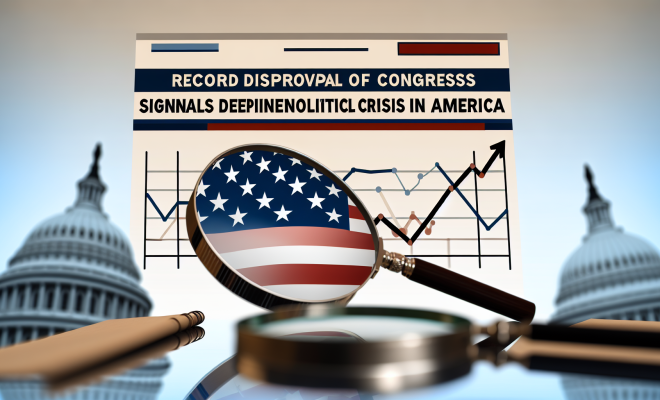
In a startling reflection of the current political climate in the United States, a recent Gallup poll reveals that disapproval ratings for Congress have soared to a staggering 86%, matching a previous high recorded in August of this year. This data underscores a growing sense of disenchantment among the American populace towards their legislative body, with approval ratings plummeting to a mere 10%, close to the all-time low of 9%.
The Numbers Behind the Discontent
The latest findings from Gallup illustrate a profound disconnect between Congress and the American public. As political polarization intensifies and legislative gridlock appears to persist, the approval ratings among different demographic groups highlight the alarming trend:
- Only 10% of Americans approve of Congress, tying for one of the lowest ratings in history.
- Disapproval rates stand at 86%, indicating a significant public outcry against congressional performance.
- Among independents, approval is at a mere 11%, while only 3% of Democrats express approval.
This data not only signifies a critical juncture for Congress but also reflects broader concerns regarding the efficacy and representativeness of the institution.
Historical Context: A Decline in Congressional Approval
The current disapproval rating ties with a historical high reached during the summer of 2023, marking a troubling trend in public sentiment towards Congress over the years. Gallup’s longitudinal data reveals that dissatisfaction with Congress has been a consistent theme, particularly in times of political turmoil or economic uncertainty.
Long-Term Trends
Since the early 2000s, public approval ratings of Congress have experienced significant fluctuations, often correlating with major political events and legislative outcomes:
- Approval rates have peaked during times of national unity, such as after significant events like the September 11 attacks, where approval soared to 84%.
- Conversely, periods of intense partisanship and legislative stalemate have resulted in dramatic declines, as seen in recent years leading to the current crisis.
The decline in approval ratings reflects a growing sentiment that Congress is not effectively addressing the pressing issues facing the country, such as economic inequality, healthcare, and climate change.
Public Sentiment: The Voice of the People
The overwhelming disapproval of Congress is not just a number; it represents the frustrations and aspirations of millions of Americans. Many citizens express their discontent through various channels, from social media outrage to public demonstrations. The sentiment can be categorized into several key themes:
1. Frustration with Partisanship
Many Americans feel that Congress is gridlocked by partisan politics. The inability to reach bipartisan agreements on crucial legislation has left many citizens feeling unheard and neglected. This frustration is particularly pronounced among independent voters, who often feel caught in the crossfire of partisan conflicts.
2. Economic Concerns
The ongoing economic challenges, exacerbated by inflation and the COVID-19 pandemic, have fueled public dissatisfaction. Many citizens believe that Congress has failed to implement effective policies to address these issues. Surveys indicate that economic stability is a top priority for voters, yet legislative action has often fallen short.
3. Lack of Representation
As discontent grows, the perception that Congress does not adequately represent the interests of ordinary citizens continues to rise. Many voters express a feeling that their concerns are overshadowed by special interests and lobbyists, leading to a sense of alienation from the political process.
The Implications of High Disapproval Ratings
The record high disapproval ratings for Congress have significant implications for American politics moving forward. These numbers may influence the upcoming elections, party strategies, and legislative priorities.
1. Impact on Upcoming Elections
With disapproval ratings at an all-time high, candidates in upcoming elections may face an uphill battle. The prevailing sentiment among voters could lead to a desire for change, prompting a wave of challengers to incumbents. Political analysts suggest that both parties will need to reassess their platforms to resonate with an increasingly disillusioned electorate.
2. Shift in Legislative Priorities
As public sentiment shifts, congressional leaders may be compelled to address the issues that matter most to their constituents. This could lead to a reevaluation of legislative priorities, with a focus on economic relief, healthcare reform, and effective governance.
3. Increased Activism and Engagement
The combination of high disapproval ratings and the public’s desire for change may lead to increased civic engagement and activism. Grassroots movements and advocacy groups could gain momentum, pushing for reforms and holding elected officials accountable.
Conclusion
The current landscape of congressional approval ratings paints a grim picture for the American political institution. With disapproval at an unprecedented 86% and approval dwindling to 10%, it is clear that many citizens feel disconnected from their representatives. As Congress grapples with these challenges, the path forward will necessitate a renewed commitment to addressing the concerns of the American people.
In this critical moment, the future of Congress hinges on its ability to listen, adapt, and respond to the needs of its constituents. Only then can it begin to rebuild trust and restore faith in the legislative process.